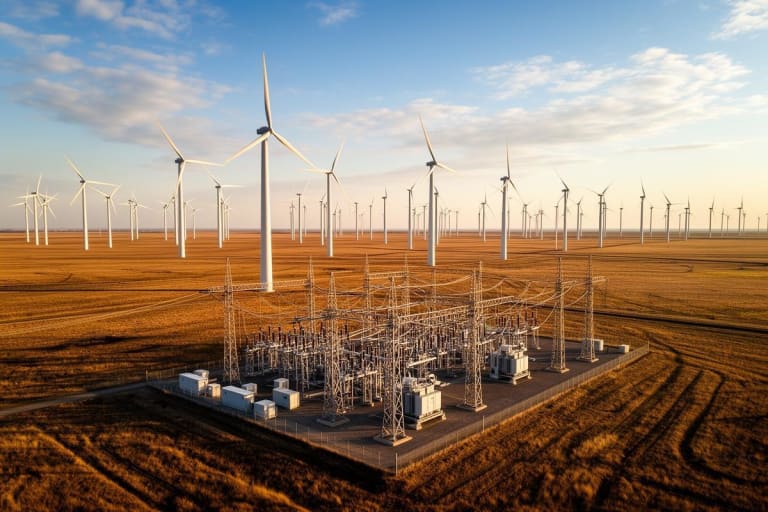
Brazilian energy planning is undergoing a paradigm shift: the focus is shifting from merely expanding installed capacity to seeking assets that deliver energy to the system strategically, usefully, and efficiently.
The energy sector in Brazil faces a challenge that transcends the volume of megawatts or barrels added to the grid. In both hydrocarbon exploration and electricity generation, the market is beginning to prioritize ‘useful energy’ — that which, in fact, has economic viability and operational availability to meet demand at the necessary time and location.
This need for reevaluation became evident after two recent developments: the discovery of oil by Petrobras in the Morpho well, in the Equatorial Margin, and the increase in renewable energy curtailment in the National Interconnected System (SIN). Although in distinct areas, both cases highlight that the existence of a raw resource does not automatically translate into commercial value or stability for the country.
From Oil to Electricity: The Search for Productivity
In the oil and gas sector, the discovery in the Morpho well, located 175 km off the coast of Amapá, is seen as just an initial step. Experts such as Eric Fernando Boeck Daza, a consultant in energy transition and climate change, emphasize that the geological find requires rigorous productivity tests and cost-benefit analyses. According to Daza, the specialist stated:
Finding oil is just one step, and the competitiveness of the resource depends on a series of engineering and market evaluations that prove whether extraction outweighs the investment.
In the electricity sector, the dynamic is equally complex. The National Electric System Operator (ONS) has reported increasing difficulties in balancing abundant supply with real demand, leading to the adoption of surplus management plans. By the end of 2025, Brazil achieved nearly 87% renewables in its electricity mix, with solar and wind gaining prominence, which now demands greater grid flexibility, especially between 9 AM and 4 PM.
Brazil doesn’t need to produce less energy. It needs to make its expansion yield greater results. The value lies in the ability to transform resources and infrastructure into useful, competitive, and available energy when the country truly needs it, notes specialist Eric Daza.
Strategies for a Flexible System
The scenario of ‘over-supply’ at certain times creates a zero-sum effect, where new generation merely displaces sources that would already be operating, with no net gains. To overcome this inefficiency, the sector relies on three main pillars:
- New Loads: Attracting energy-intensive industries, data centers, and low-emission hydrogen projects that can consume the surplus during solar peak hours.
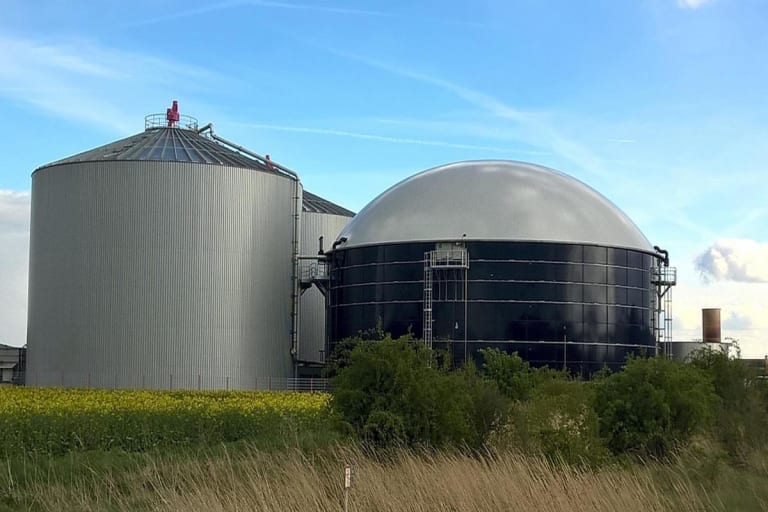
- Energy Storage: The large-scale implementation of batteries (BESS) is gaining momentum, driven by capacity reserve auctions.
- Dynamic Management: Valuing locational and temporal signals in investments, ensuring that the installed megawatt is aligned with the geographical and hourly restrictions of the SIN.
Conclusion: Value Beyond Nominal Capacity
The metric for success in Brazilian energy planning is becoming more sophisticated. Nominal capacity, while remaining a fundamental indicator, is giving way to attributes such as production profile, strategic location, and supply security.
The future of infrastructure in the country will not be measured solely by the gross growth of supply, but by the intelligence applied to connecting these assets. With a focus on operational efficiency, the sector seeks to convert the abundance of renewable resources and fossil fuels into energy that is, in fact, useful for sustainable economic development.