
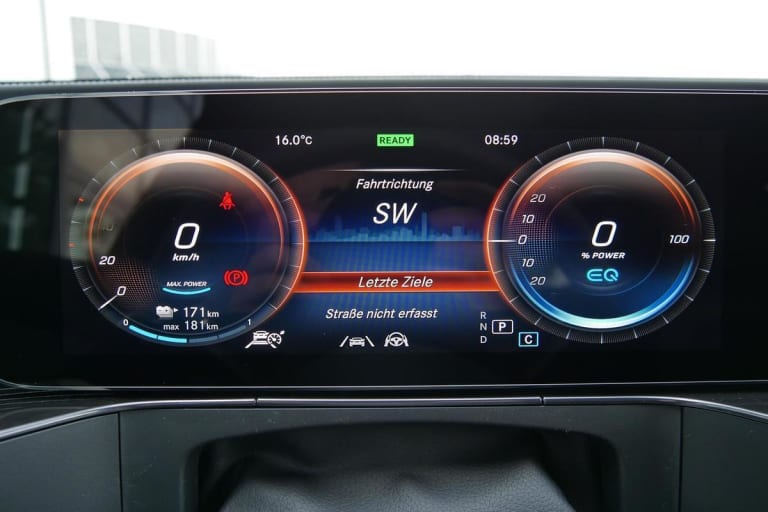
Brazil makes strides in electric mobility with record-breaking sales and the pursuit of robust infrastructure.
The Brazilian automotive landscape is undergoing a remarkable transformation. Electric and hybrid vehicles are no longer a distant vision, but a rising reality. By July 2024, the country had already registered the sale of 94,616 electrified units, surpassing the 2023 annual total of 93,927 vehicles. This significant milestone signals a growing interest in more sustainable transportation alternatives.
The Brazilian Electric Vehicle Association (ABVE) projects that 2024 will close with over 150,000 units registered, reinforcing the trend of accelerated growth. Currently, the fleet of electrified light vehicles in Brazil exceeds 315,000 units, accounting for approximately 7% of all licensed vehicles. Notably, 100% electric and plug-in hybrid models accounted for 70% of sales in the first seven months of the year.
Challenges and Regulation for Electric Mobility
Despite the optimism, the journey toward full electrification faces considerable obstacles. The high acquisition cost of electric vehicles remains a barrier for many consumers. Furthermore, charging infrastructure, while expanding, is still viewed as insufficient to meet mass demand. The lack of more robust tax incentive policies also remains a critical point to be addressed.
In terms of regulation, ANEEL Normative Resolution No. 1,000/2021 establishes guidelines for the installation and operation of charging points. This rule allows any interested party, including for commercial purposes, to install charging stations, with electricity distributors required to facilitate access to the grid.
The resolution also addresses service pricing freedom and consumer rights and duties, aiming to ensure safety and clarity in the process.
Infrastructure Expansion and Impacts on the Power Grid
The number of charging stations in Brazil has kept pace with the growth of the fleet, reaching approximately 4,300 points. Between January and August 2023, there was a 28% increase in this number.
However, the rise of electric cars poses new challenges for the power distribution grid. Increased demand, especially during peak hours; the need to ensure the safety and regulatory compliance of stations; potential infrastructure wear and tear; and the urgent need for modernization investments are all areas that require continuous attention.
Studies indicate that the overall impact on the power grid should be manageable, representing between 2% and 3% of total energy consumption by 2035. To mitigate these effects, utility companies are investing in smart grids and adopting differentiated pricing, such as the White Tariff (Tarifa Branca), to encourage charging during off-peak hours.
The transition to electric mobility in Brazil is a complex process that requires collaboration between industry, government, and consumers. Ongoing initiatives, although in their early stages, demonstrate a promising path toward a more sustainable and connected future.
RELATED NEWS
 New law stiffens penalties for energy theft and prohibits police station bail
READ MORE
New law stiffens penalties for energy theft and prohibits police station bail
READ MORE
 Light beefs up crews and maintenance to ensure energy stability during the severe 2026/2027 summer
READ MORE
Light beefs up crews and maintenance to ensure energy stability during the severe 2026/2027 summer
READ MORE
 ONS Activates Emergency Plan for Second Time to Reduce Surplus Generation in National Interconnected System
READ MORE
ONS Activates Emergency Plan for Second Time to Reduce Surplus Generation in National Interconnected System
READ MORE