The new Law No. 15.397/2026 intensifies the fight against energy theft in Brazil by increasing penalties and restricting immediate bail at police stations for offenders.
The Brazilian legal landscape for combating electricity theft has shifted dramatically with the implementation of Law No. 15.397/2026. In effect since May, the regulation amends the Penal Code, raising the maximum sentence for simple theft from one to six years of imprisonment, in addition to fines.
This legislative change has an immediate practical impact: since the Code of Criminal Procedure prohibits police officers from setting bail in cases where the maximum sentence exceeds four years, energy theft no longer allows for immediate release at the police station. Now, any decision regarding bail must be submitted to the Judiciary.
Economic and Operational Impact
The hardening of the laws is a direct response to the billions in losses faced by the electric sector. According to data from the National Electric Energy Agency (ANEEL), 2025 saw losses of approximately R$ 11.5 billion due to non-technical losses, such as illegal connections and meter tampering—totaling 45 TWh diverted from the official grid.
The Brazilian Association of Electric Energy Distributors (Abradee) warns that these losses do not affect only the companies. A significant portion, amounting to R$ 7.8 billion, ends up being passed on to energy tariffs, directly impacting the pockets of Brazilian consumers.
Security and Crime Prevention
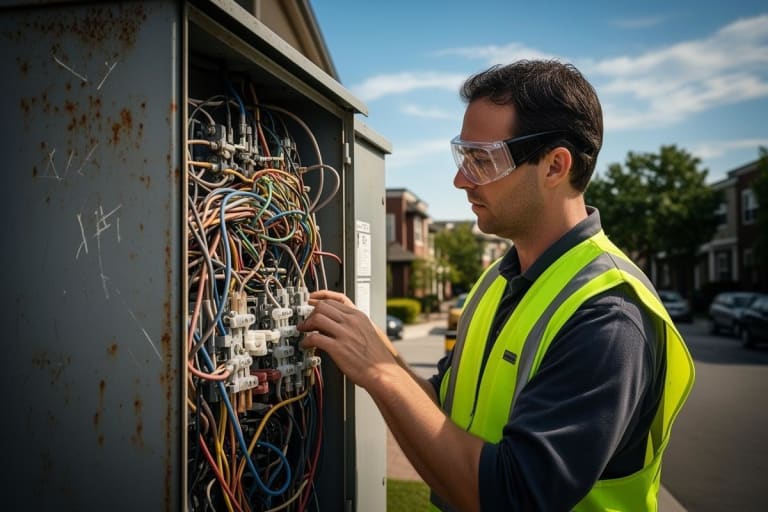
Beyond the financial burden, energy theft poses a severe risk to public safety and urban infrastructure. Irregular connections can cause grid overloads, short circuits, and fires, in addition to constantly endangering the technical teams performing maintenance. The new law also increases the punishment to two to eight years for those who steal cables and equipment essential to electrical transmission.
Daniel Carvalho, a manager at Grupo CPFL Energia, highlights:
There is no more room for impunity. Energy theft is a crime, and Law No. 15.397/2026 reinforces this message by stiffening the criminal response to this conduct. Beyond putting lives at risk, compromising the safety of the electrical grid, and harming the entire community, those who divert energy are subject to harsher penalties and can no longer obtain release via bail set at the police station.
To curb the growth of these irregularities, utility companies have been investing heavily in technology. The use of shielded meters, remote reading systems, and data intelligence to identify suspicious consumption patterns has become standard in field operations. These actions, combined with the new penal rigor, mark a structural shift in how Brazil faces the challenge of ensuring the integrity of its energy infrastructure.