
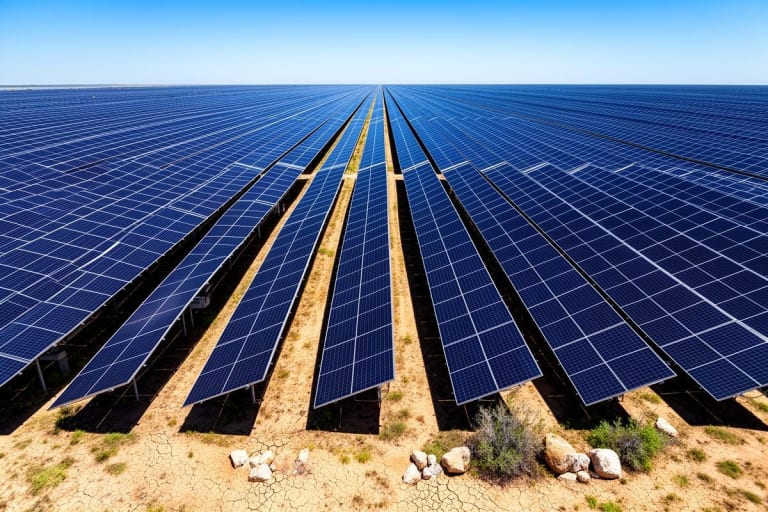
For the second time in 2026, the ONS has resorted to emergency measures to curb an excess energy supply, ensuring the operational stability of the Brazilian electric power system.
The National Electric System Operator (ONS) has once again intervened in the energy market to balance supply and demand within the National Interconnected System (SIN).
Last Sunday, August 23, the agency activated its contingency plan between 11 AM and 1:30 PM, aiming to mitigate risks associated with surplus load during a period of low consumption, typical of weekends.
This intervention, which caused no disruption to end consumers, focused on controlling the generation from small-scale power plants, known as “Type 3” units.
This category includes sources essential for the energy transition, such as small hydroelectric plants, biomass power plants, and distributed wind and solar farms, which had their production temporarily limited by the operator’s decision.
Managing Distributed Generation and System Security
The significant increase in distributed generation in Brazil has posed new challenges to the grid. This phenomenon, primarily driven by the expansion of solar energy, demands more robust control strategies to prevent excessive electricity injection from compromising infrastructure.
The first restriction event this year occurred in June, during the Corpus Christi holiday, reinforcing the need for continuous technical adjustments.
Given the complexity of the current scenario, the operator seeks to modernize its control tools. According to the strategic plan presented, the entity is developing the so-called Regional Generation Relief Scheme.
The proposal is to automate the disconnection of a portion of distributed sources during critical moments. Technical planning indicates:
The automatic system foresees up to 3 gigawatts of curtailment, divided into three stages, and is only activated when other load balancing alternatives prove insufficient.
Outlook and the Future of the Electric Sector
The pilot project for this new automatic shutdown technology is slated to be tested at a distribution utility by the end of 2026.
The success of this implementation will be crucial for the measure to be expanded in 2027, offering a more agile response to the unpredictability of renewable generation.
While the technology is being refined, Abradee (the Brazilian Association of Electric Power Distribution Companies) reiterates that companies in the sector follow ONS guidelines.
However, the entity underscores the importance of establishing transparent technical criteria. For the associations, clarity in operational standards is essential to provide legal certainty and ensure the sustainability of investments in renewable energies, which continue to expand strongly across the national electricity matrix.