
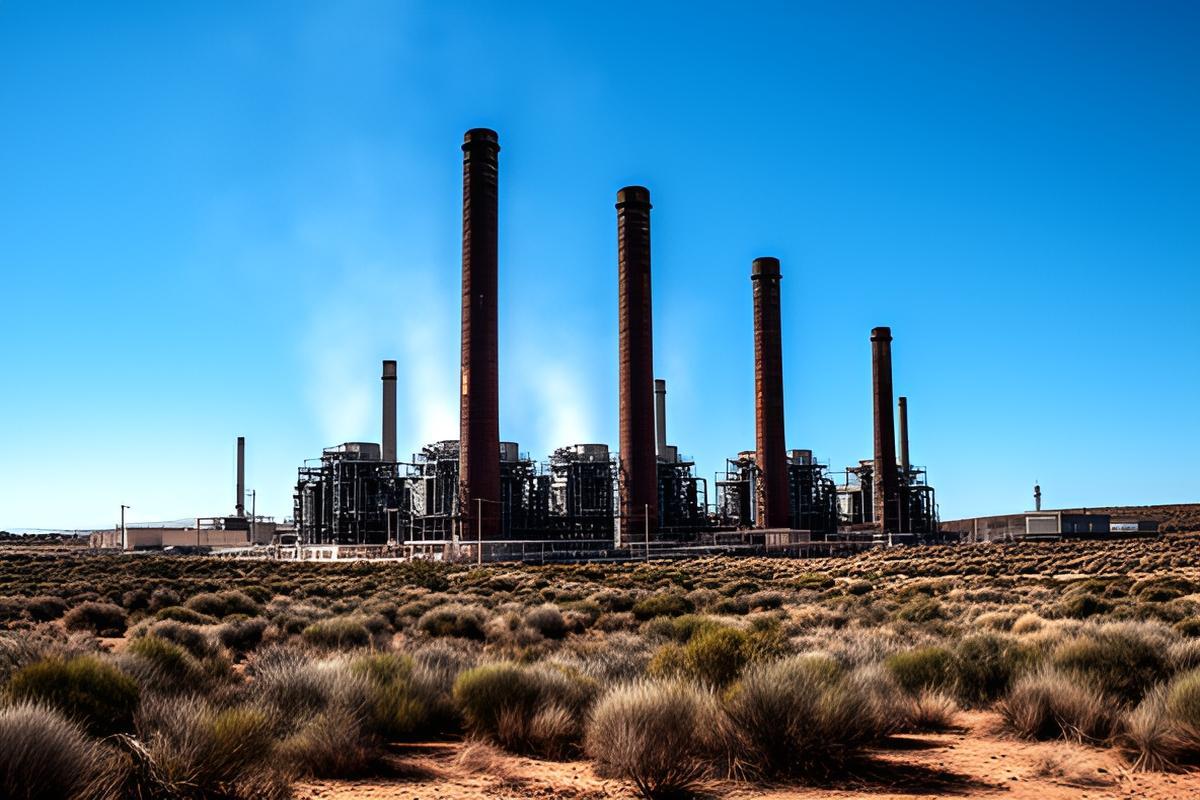
A draft of the Climate Plan report indicates that energy sector emissions in Brazil are expected to maintain an upward trend through 2030, driven by rising consumption in transport.
The first monitoring report of the Climate Plan points to a continuous growth trend in greenhouse gas emissions from the Brazilian energy matrix.
The preliminary survey projects this steady rise until at least 2030.
Although the country boasts one of the cleanest electricity grids on the planet, rising demand for fossil fuels has outpaced the progress of renewable sources in the final carbon balance.
The joint analysis prepared by the MMA, MCTI, and the Casa Civil raises an alarm over the need for more effective decarbonization strategies in critical sectors such as transport.
Transition Challenges and Targets Through 2030
Between 2022 and 2024, energy sector emissions registered a 2% increase, reaching 427 MtCO₂e last year.
Government projections estimate that this volume will reach 444 MtCO₂e by the end of this decade, driven by economic expansion.
Even with clean sources accounting for over 86% of electricity generation, the need to rely on coal-fired power plants and a surging aviation market pushed figures in a negative direction.
According to data highlighted in the interministerial mapping:
In 2024, fuel combustion accounted for 95.4% of energy sector emissions, with the transport segment standing as the primary driver of demand for fossil sources.
Betting on Biofuels and Efficiency
Given the heavy reliance on road transport, the official strategy hinges on strengthening biofuels as the main tool to mitigate the impact of gasoline and diesel consumption in the country.
The share of these renewable alternatives in total consumption grew from 4.75% in 2010 to an impressive 14.15% projected for 2025.
Advanced trials with new ethanol and biodiesel blends aim to accelerate this gradual substitution process.
At the same time, the oil and gas exploration segment is working to curb carbon intensity in the extraction process, setting an emission target of 15 kgCO2 per barrel of oil equivalent by 2035.
Consolidating the Climate Plan guidelines requires greater interministerial coordination to convert the structural advantage of the renewable matrix into effective pollutant reduction.
The next steps depend on the document’s approval by the CIM and the alignment between economic incentives and environmental targets over the coming years.
RELATED NEWS
 Vallourec Advances Sustainability with Technology That Cuts Methane Emissions in Charcoal Production by Up to 99%
READ MORE
Vallourec Advances Sustainability with Technology That Cuts Methane Emissions in Charcoal Production by Up to 99%
READ MORE
 Renewable energy capacity must increase sevenfold by 2050 to limit global warming
READ MORE
Renewable energy capacity must increase sevenfold by 2050 to limit global warming
READ MORE
 Industrial Decarbonization: Academia and Industry Must Align Agendas and Bridge Gaps
READ MORE
Industrial Decarbonization: Academia and Industry Must Align Agendas and Bridge Gaps
READ MORE