The fuel sector in Brazil is on high alert: a potential restriction on diesel exports by the United States could compromise the national supply and halt private operations.
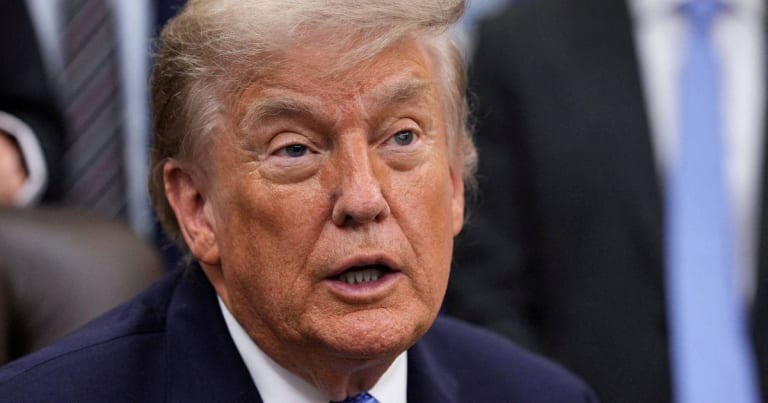
The Brazilian energy market is facing a severe threat due to recent geopolitical shifts in North America. Reports of a potential temporary ban on U.S. diesel exports by the Donald Trump administration have raised a red flag among industry stakeholders. The measure would aim to curb domestic fuel inflation in the U.S. amid intense electoral pressures.
For Brazil, the impact would be immediate and profound. Since the country still relies heavily on foreign purchases to meet internal demand for fossil fuels, any disruption in the flow from the U.S. market puts the stability of supply at risk, especially during a period of high seasonal demand.
Strategic dependency and operational risks
The situation is concerning due to the high concentration of supply. According to Sérgio Araújo, executive director of Abicom (Brazilian Association of Fuel Importers), an interruption in U.S. exports would cause a logistical collapse for private players. It is worth noting that in September alone, 80% of the diesel imported by Brazil originated from the United States.
“If Trump bans diesel exports, Brazilian importers will face significant difficulty in maintaining operations. In September, 80% of imported diesel came from the U.S.”
This vulnerability is compounded by the fact that Brazil must import between 25% and 30% of the total diesel consumed in the country. After the decline in Russian exports—which had been the primary source earlier in the year but fell back due to internal conflicts—Brazilian importers returned to centralizing their purchases in the U.S. market, making the supply chain extremely sensitive to political decisions in Washington.
The harvest challenge and the role of Petrobras
The timing of a potential restriction could not be more critical. Brazil is at the beginning of its summer harvest, a period when demand for diesel spikes to power agricultural machinery and road freight transport. A shortage of the product could drive up logistical costs and directly impact the competitiveness of the national agribusiness sector.
Given this scenario, Petrobras emerges as the only alternative capable of mitigating a potential supply crisis. However, the state-owned company faces its own challenges. The domestic refining park is already operating near its maximum capacity, and, like private importers, the company itself needs to make foreign purchases to balance the market. With Brent crude oil prices trading at elevated levels, exceeding $100 per barrel, the state-owned company has very limited room to maneuver when importing fuels without incurring financial losses or passing costs on to consumers.
The crisis highlights Brazil’s fragility regarding its dependence on imported energy commodities. As the government monitors developments in U.S. foreign policy, the sector is seeking strategic alternatives to avoid a supply shortage that could destabilize the country’s logistics and economy in the coming months.