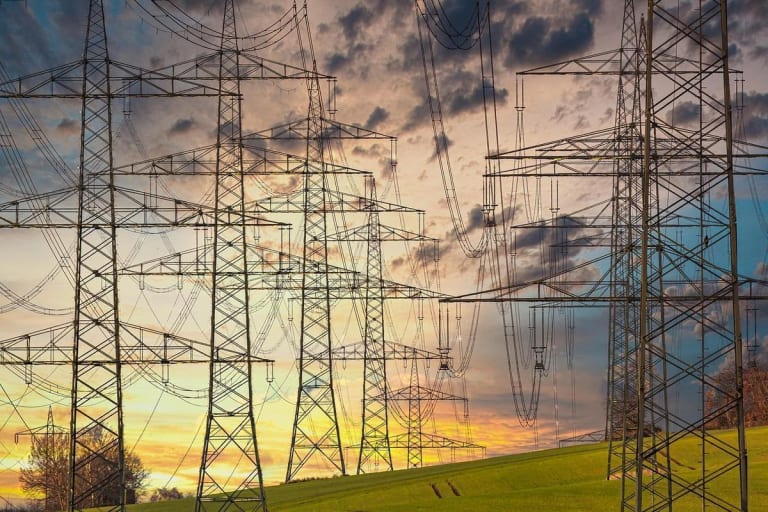
Aneel has approved the partial termination of two transmission lines belonging to MEZ Energia in Rio Grande do Sul, following severe logistical and structural impacts caused by the 2024 floods.
The National Electric Energy Agency (Aneel) has granted the amicable termination of contractual obligations regarding two major energy assets in the state. The decision meets a request from MEZ Energia, which faced severe operational obstacles in the wake of the extreme weather events that devastated the state in the first half of 2024.
The ruling, grounded by federal regulator director Gentil Nogueira, results in a significant reduction in the company’s Allowed Annual Revenue (RAP). With the partial undoing of the original agreement, contractual revenue plummets from R$ 52.9 million to a lower level, reflecting the new sizing of projects under the responsibility of private initiative in the electric infrastructure sector.
Climate impacts and cost resizing
The contract review request filed by the construction company was primarily justified by the destruction of construction sites and damage to material inventories resulting from the historic floods. In addition, the gap between the budgets initially projected in the auction and the updated values made the execution of part of the planned sections unfeasible, compounded by technical layout divergences pointed out by the National Electric System Operator (ONS).
The measure covers the discontinuation of underground assets linking Porto Alegre 1 to Porto Alegre 9, as well as the connection between Capivari do Sul and Osório 3. Regulatory technicians pointed out that, due to the absence of immediate systemic risk, the need for these structures may be reassessed in national energy planning only for the horizon beyond 2030.
The regulatory agency emphasized that the uncompleted assets do not generate the right to compensation for prior financial contributions, given that non-operationalized assets do not fall into the category of reversibility for reimbursement purposes.
Maintenance of strategic priority
Despite the flexibility regarding the two suppressed sections, the regulator determined the preservation of the construction obligation concerning the line interconnecting the Guaíba 3 substation to the Petrochemical Complex. Following consultations conducted with the Energy Research Office (EPE) and the Ministry of Mines and Energy (MME), it was established that the structure remains a critical and non-negotiable requirement for the stability and reliability of electricity supply in the metropolitan region.
With current developments, the concessionaire will need to focus efforts on delivering the remaining project within the required normative parameters, under penalty of facing severe sanctions. The advancement of negotiations will take place through the formalization of addenda, reiterating regulatory rigor over contractors operating the country’s energy transmission system.