Industry body pushes for 1.5% biogas share by 2027 in Brazil, driving energy transition, new investments, and natural gas decarbonization.
Setting the biogas participation targets in the national energy mix marks a decisive milestone for decarbonizing Brazil’s natural gas market.
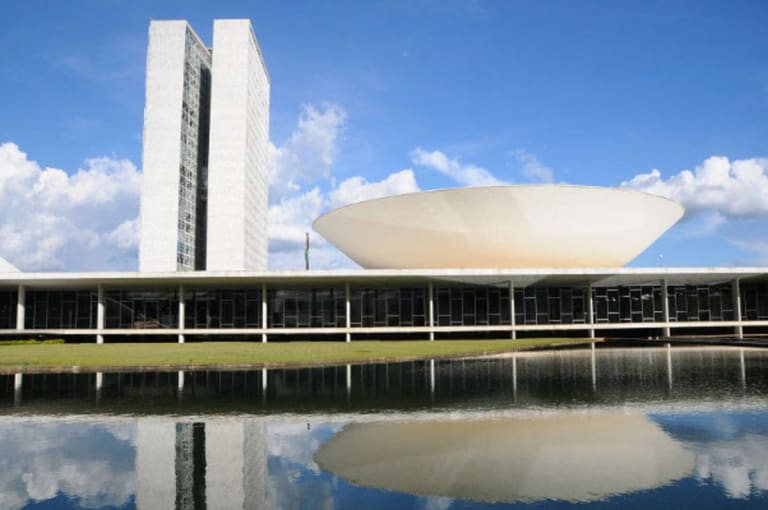
Under the framework established by the Future Fuel Law, the Ministry of Mines and Energy (MME) and the National Energy Policy Council (CNPE) are evaluating the strategic percentages that will guide the sector.
The Brazilian Association of Biogas and Biogas (ABiogás) advocates for a 1.5% quota for 2027, surpassing the initial 1% proposal presented in the federal government’s public consultation.
The clash over targets and market impact
The half‑percentage point difference between the official proposal and the sectoral entities’ request is more than symbolic.
The additional volume represented by 1.5% amounts to roughly 182 million cubic meters of renewable gas during the period.
Overall, the proposal championed by ABiogás and ABREMA projects reaching about 545 million cubic meters of clean fuel in 2027.
In the government’s public consultation, the MME suggested an initial rate of 1%, which local producers consider conservative.
According to sector leaders, such as the executive president of the association, Josiani Napolitano, setting a more ambitious guideline from the outset ensures the regulatory certainty essential for business.
Providing a clear policy direction from the start gives producers, buyers, and investors a reference point for decisions that take years to mature.
Production acceleration and economic dynamism
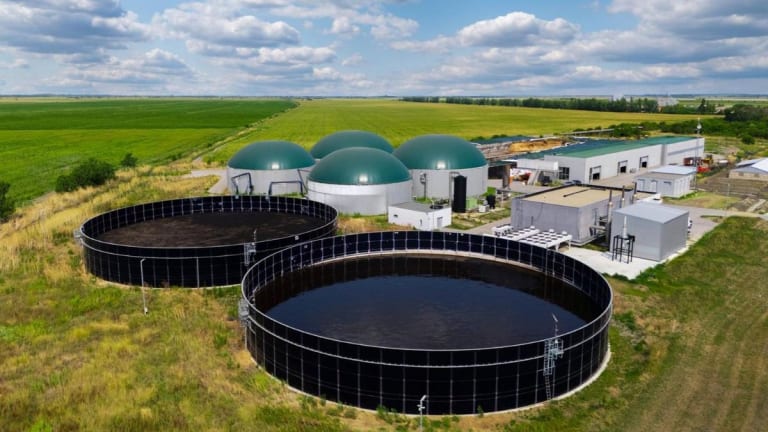
The renewables segment is experiencing a surge in volume delivery, driven by the reuse of various waste streams.
Sources from the sugar‑energy sector, sanitary landfills, and basic sanitation form the foundation of this productive expansion.
Updated data compiled from the National Agency of Petroleum, Natural Gas and Biofuels (ANP) show that domestic biogas production jumped 89% in September 2026.
This impressive performance is the direct result of expanding existing plants and the start of operations for new industrial units.
The regulation has progressed in parallel, with the ANP issuing the first official certifications for the issuance of origin guarantees for the feedstock.
Strategic moves by large corporations reinforce this trend, such as Petrobras, which opened public tenders to acquire the fuel and its certificates starting in 2027.
Sustainable investments and contractual stability
The consolidation of clear rules provides the necessary predictability for private actors to sign long‑term contracts in the country.
For entrepreneurs planning to build new plants or expand operational structures, demand guarantees drive the attraction of financial investments.
On the consumption side, industries and carriers planning to transition their fleets gain clarity on supply availability and future timelines.
Expanding the compulsory quota enables large‑scale introduction of renewable fuel into transportation and distribution pipelines.
This gradual replacement of fossil fuel supports sustained reduction of the national manufacturing sector’s carbon footprint.
Moreover, the energy recovery from waste turns urban and rural environmental liabilities into high‑value economic assets.
Future projections and the role of energy planning
Setting incremental and increasing targets for the coming decades aligns the national productive sector with international climate agreements.
The planning developed by the Empresa de Pesquisa Energética already signals even higher indicative horizons for the years following 2027.
The synchronization between regulatory progress and the industry’s installed capacity will prevent idleness of new operational facilities.
Domestic and foreign investors await government deliberation to direct new investments in energy infrastructure and gas purification systems.
Perspectives for the national energy transition
The final decision on the percentage to be adopted in 2027 rests with the CNPE, the body responsible for endorsing the country’s energy policy guidelines.
A choice aligned with maximum production capacity will strengthen Brazil’s position at the forefront of the global low‑carbon economy.
Bolstering biogas consolidates a clean energy mix, creates green jobs, and paves the way for a sustainable future in national infrastructure.