House Committee Approves Measures to Boost Ethanol Production and Use, Seeking Lower Prices and Clean Energy.
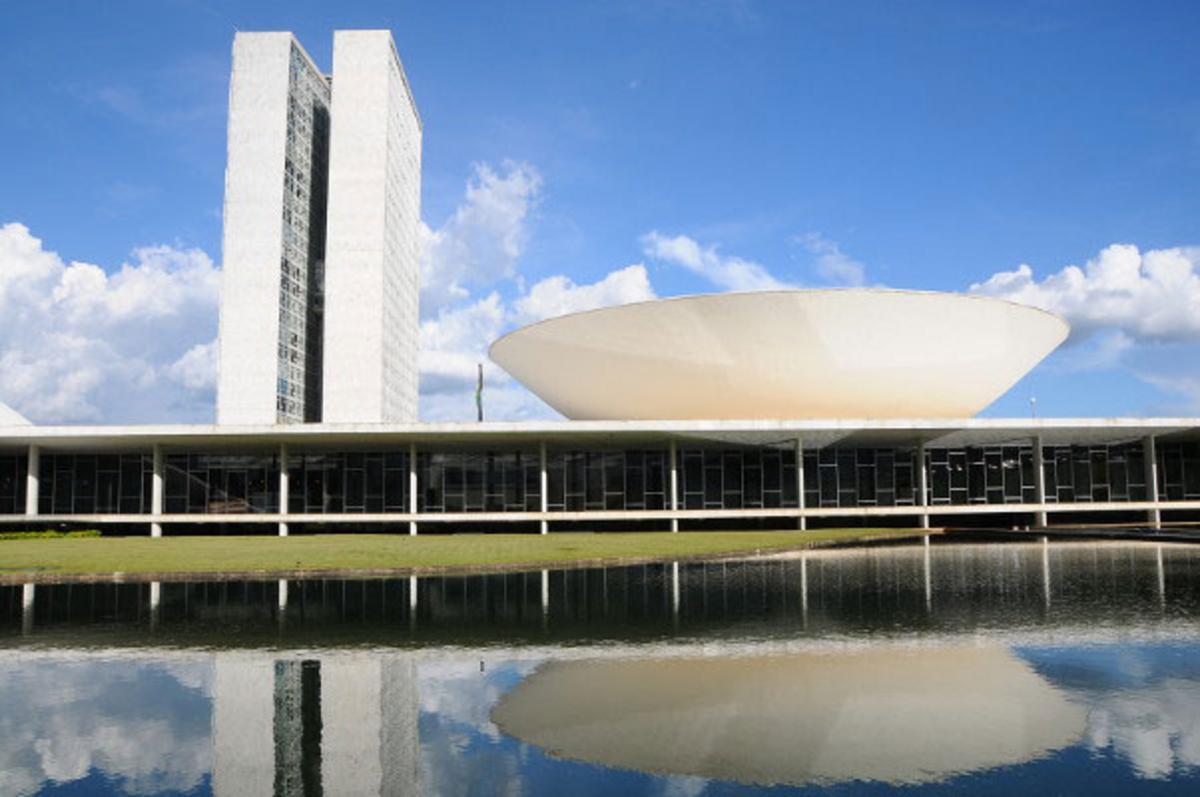
The Committee on Mines and Energy of the House of Representatives took a significant step toward consolidating Brazil’s energy matrix by approving Bill 2300/25. The proposal, introduced by Representative Max Lemos (União-RJ), aims to stimulate both the production and consumption of ethanol as a fuel. The text arrives at a critical moment, seeking to ease consumers’ wallets and strengthen the country’s energy self‑sufficiency.
The main goal of the bill is to make ethanol more affordable and competitive against fossil fuels, while simultaneously reinforcing national energy security. The initiative aligns with the growing demand for more sustainable energy solutions and the need to diversify Brazil’s energy sources.
Detailing Ethanol Incentives and Targets
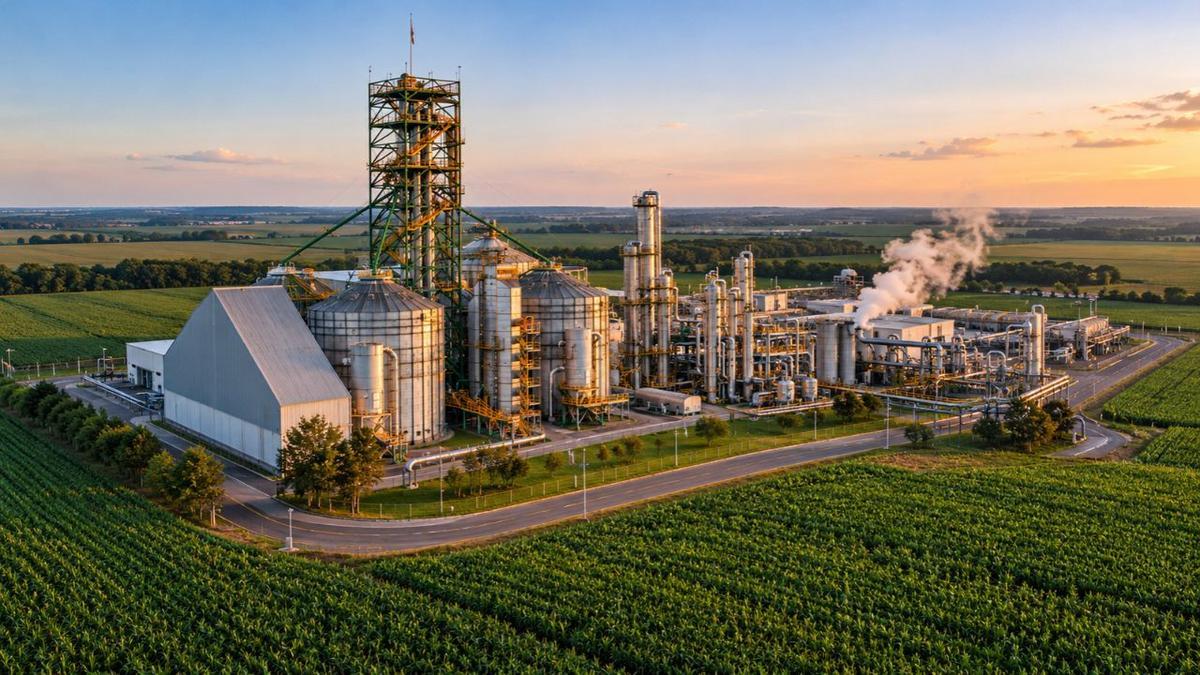
Bill 2300/25 outlines a series of concrete actions to achieve its objectives. One pillar of the proposal is the creation of subsidized credit lines specifically for ethanol plants and for rural producers supplying the raw material. This measure is intended to facilitate access to financial resources for expanding and modernizing the sugar‑cane energy sector’s infrastructure.
Additionally, the bill provides tax incentives for new investments and for adopting more efficient and sustainable technologies in the ethanol supply chain. Speeding up environmental licensing for projects deemed sustainable is also a key point, aiming to remove bureaucratic barriers that could delay or jeopardize promising ventures.
One of the most significant points of the proposal is the goal of progressively increasing the anhydrous ethanol content in gasoline blends. The plan sets a path for this ratio to reach 35%, a substantial jump from the current level. It is important to note that, since August 2026, a 32% blend has been applied temporarily and exceptionally by decision of the National Energy Policy Council (CNPE).
Adjustments by the Rapporteur and Competitiveness
Deputy Rafael Fera (Pode-RO), the rapporteur for the project in the committee, presented a favorable opinion with two significant changes. The first removed an article that allowed the direct sale of ethanol from plants to fuel stations. The rapporteur justified the amendment by arguing that this sales modality is already permitted by current law, specifically Law 9.478/97, and is regulated by the National Agency of Petroleum, Natural Gas and Biofuels (ANP) through Resolution 944/23, making its inclusion in the project redundant.
The second change introduced by the rapporteur is strategically aimed at ethanol competitiveness. It stipulates that whenever the federal government grants tax incentives—such as reduced rates or subsidies—for gasoline, an equivalent percentage of that benefit must also be extended to ethanol. This measure seeks to ensure that the national biofuel maintains its competitive parity in the market.
Deputy Rafael Fera emphasized the importance of strengthening sectoral policies for ethanol:
We defend the urgency of strengthening the sectoral policy, with the goal of restoring the incentive policy for ethanol use that has already proven competitive worldwide, as well as enabling consumers to enjoy a fair price for a more environmentally efficient fuel.
Anhydrous ethanol is a renewable biofuel primarily produced from sugarcane and corn. Its addition to gasoline is a legal requirement and aims not only to reduce Brazil’s dependence on imported fossil fuels but also to increase the share of cleaner energies in the Brazilian energy mix. The blending percentage is determined by the CNPE, based on technical and supply criteria.
Next Steps for the Proposal
With approval by the Minas and Energy Commission, Bill 2300/25 moves forward in its final stage. The next steps include review by the Finance and Taxation Committee; the Constitution, Justice, and Citizenship Committee; and the Citizenship Committee. If approved by these bodies, the text will be brought to a vote in the plenary of the House of Representatives and, subsequently, forwarded to the Federal Senate. To become law, the proposal must be sanctioned by both legislative chambers.