

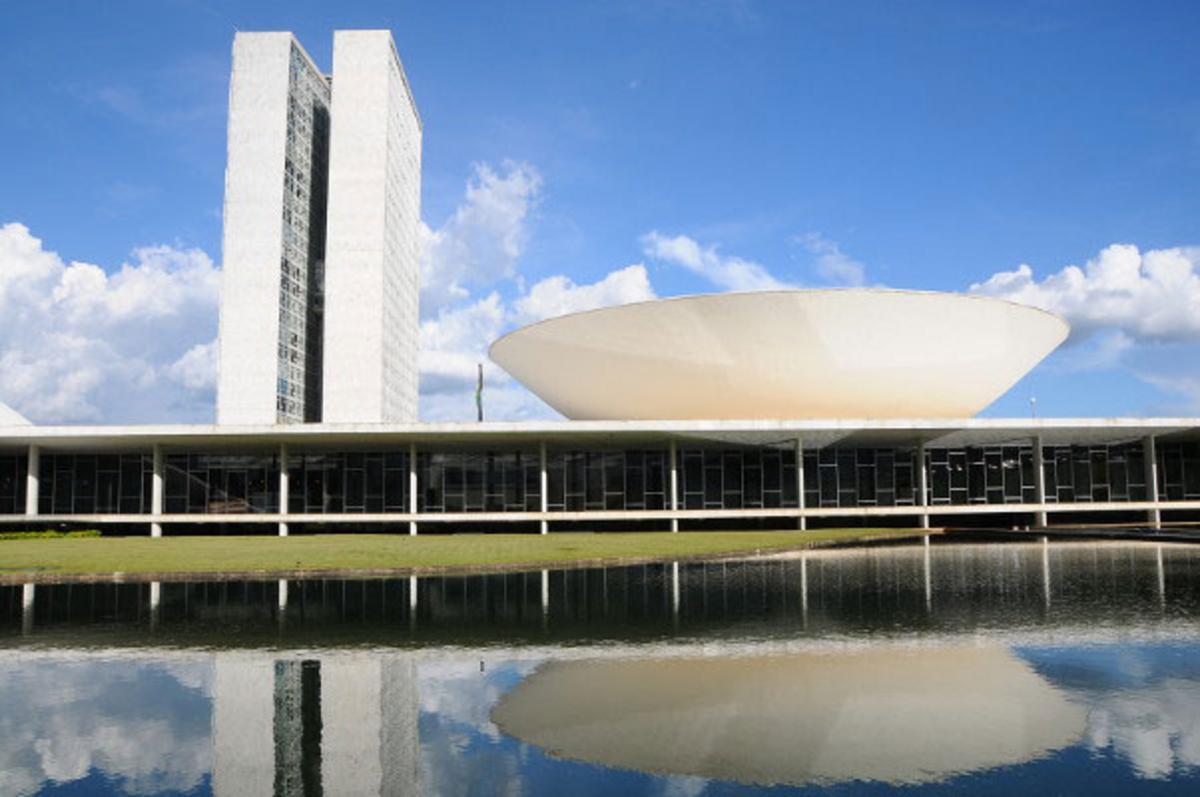
Bill paves way for indebted power plants to re-enter the electricity market.
The Chamber of Deputies is advancing a proposal that could bring back electricity generators, especially hydroelectric plants, that were temporarily excluded due to non‑payment. Bill 3086/26 seeks to amend the current legislation governing hydrological risk, allowing plants that faced financial difficulties from drought and water scarcity to resume operations in the trading environment.
The core issue lies in how hydroelectric generators manage the variability of rainfall patterns, an intrinsic factor of water‑based energy production. When water availability drops, plants must purchase power from other sources to meet contractual obligations, incurring additional costs that, in many cases, led to debt with the government compensation system, the Hydric Risk Market (MRE).
A Relief for the Electric Sector
The proposal, led by Deputy Greyce Elias (PL-MG), aims to provide a breather for these companies. The premise is not to forgive debts but to create a regulatory environment that allows the financial rehabilitation of these firms. The idea is that, by meeting specific requirements and procedures set out in regulation, indebted plants can again actively participate in the market.
One crucial point for approval and subsequent market return is the waiver of legal proceedings related to collections and accumulated debts. This condition seeks to simplify the process and avoid future disputes, promoting a more definitive solution to financial arrears.
Deputy Greyce Elias highlighted the measure’s importance for the stability of the energy sector. “This is a measure that does not grant debt forgiveness but creates conditions for companies to organize themselves, maintain their activities, and continue contributing to the country’s development,” she said, emphasizing that the difficulties faced by generators were largely the result of unpredictable climatic phenomena beyond their direct control.
Next Steps and Sector Impacts
The path for Bill 3086/26 to become law still involves analysis and approval by several standing committees of the Chamber of Deputies. The Mining and Energy; Finance and Taxation; and Constitution, Justice, and Citizenship committees will have the final say on the merits and constitutionality of the proposal. If approved conclusively by these bodies, the bill will move to the Federal Senate for consideration.
Approval of the bill could significantly affect the dynamics of Brazil’s electric power market. Reintegrating plants that had been out of operation for financial reasons could increase energy supply, potentially influencing prices and the country’s energy security. Additionally, the measure could spur the resumption of investment in generation infrastructure, strengthening Brazil’s capacity to meet the growing demand for electricity.
The expectation is that, with this new regulation, companies can restructure and, in the medium and long term, strengthen their market participation, contributing to a more robust and resilient energy supply amid climatic and economic fluctuations.