
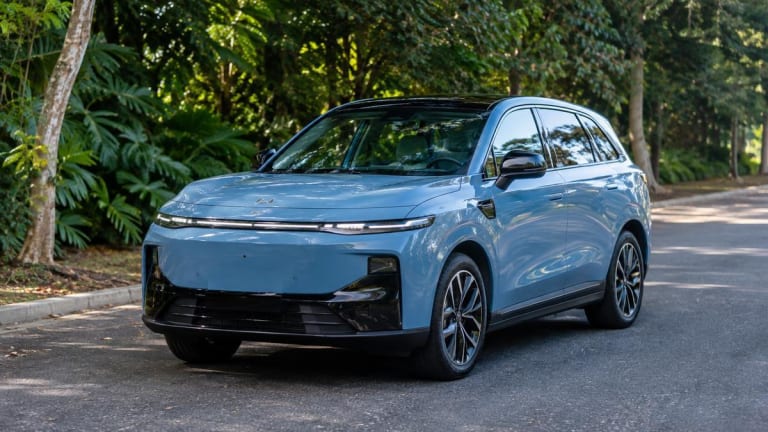
The new Leapmotor B10 2027 arrives in Brazil with extended‑range technology, promising up to 900 km of range and a robust tech package for R$ 179,990.
The Brazilian automotive market has just received an option that challenges the conventions of traditional hybrids. The Leapmotor B10, a mid‑size SUV that arrives as a 2027 model, comes with an electrification focus on versatility.
With a promotional price of R$ 179,990, the vehicle stands out for using a distinctive propulsion system aimed at eliminating consumers’ “range anxiety.”
The significance of this launch lies in its propulsion technology. Unlike conventional hybrid models, where the combustion engine assists traction, the B10 uses only its 218‑hp electric motor to drive the wheels.
The 1.5‑liter gasoline engine acts strictly as an energy generator, ensuring the SUV maintains its electric performance even on long‑distance trips.
Mechanics and performance: the range extender proposition
The REEV (Range Extender Electric Vehicle) system of the Leapmotor B10 is the pillar that sustains its competitiveness.
Because it is not a 100% plug‑in vehicle, the model delivers the agility typical of electric cars—0 to 100 km/h in 7.8 seconds—without the risk of running out of charge in areas with sparse infrastructure.
Industry experts state:
The driver finds in the B10 the immediate acceleration response typical of a battery‑powered vehicle, but with the peace of mind that they can refuel with gasoline at any service station to keep traveling.
With an 18.8‑kWh battery and rear‑wheel drive, the SUV balances efficiency and dynamism. In the international WLTP cycle, the brand promises a combined range of up to 900 km, although in the Brazilian context the main focus is everyday use.
According to Inmetro data, the pure electric range is 68 km, which perfectly meets the daily urban commute of most Brazilians.
Maintenance Costs and Extended Warranty
A factor that piques curiosity among buyers of new electrified models is the after‑sales experience. Leapmotor has crafted a strategy to convey confidence to local consumers.
The 2027 model vehicles come with a general warranty of six years or 150,000 kilometers, while critical components such as the battery and electric motor are covered for eight years.
Regarding service, the manufacturer released an estimate of costs for the first five scheduled maintenance visits, totaling R$ 11,103. The schedule calls for intervals every 20,000 kilometers or 12 months.
This is a figure that consumers should factor into their long‑term financial planning, keeping in mind that although electrification reduces wear on common parts, the fixed service costs remain a key consideration in ownership expenses.
Technology and Market Challenges
Internally, the B10 embraces technological minimalism. The cabin is dominated by a 14.6‑inch multimedia display that centralizes almost all vehicle controls and eliminates physical buttons.
Equipped with the Leap Pilot system (Level 2 driving assistance), the SUV offers features such as automatic braking and adaptive cruise control, raising the safety benchmark for the segment.
The model’s success will depend on how the public receives it compared to established brands and the dealer network that is still expanding across the country.
With a 350‑liter trunk and a proposition that blends the best of both worlds—gasoline for long trips and electricity for everyday driving—the Leapmotor B10 arrives to compete for a premium spot among advanced‑technology midsize SUVs.
However, the purchase decision should go beyond attractive design and consider the balance between fuel economy and scheduled maintenance.