Cemig is making R$ 150 million available for energy efficiency projects in Minas Gerais, allowing, for the first time, the inclusion of batteries for solar energy storage.
Cemig has just launched a new public call focused on reducing electricity waste and promoting sustainable practices in Minas Gerais.
With an investment of R$ 150 million, the 2026 call invites industries, residential complexes, rural producers, and public agencies to submit projects ranging from R$ 300,000 to R$ 9 million.
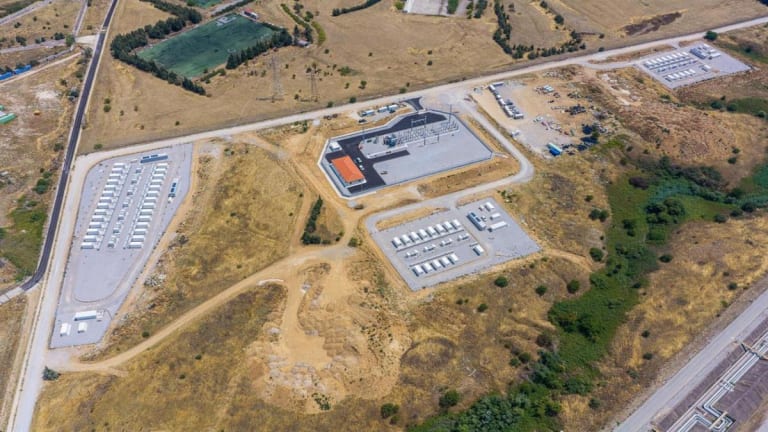
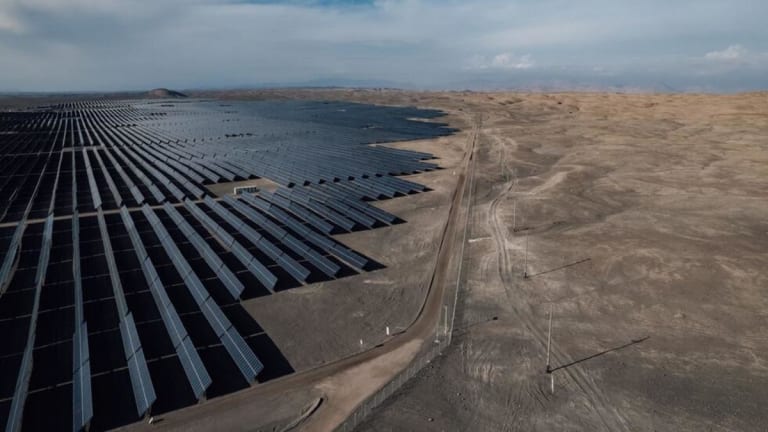
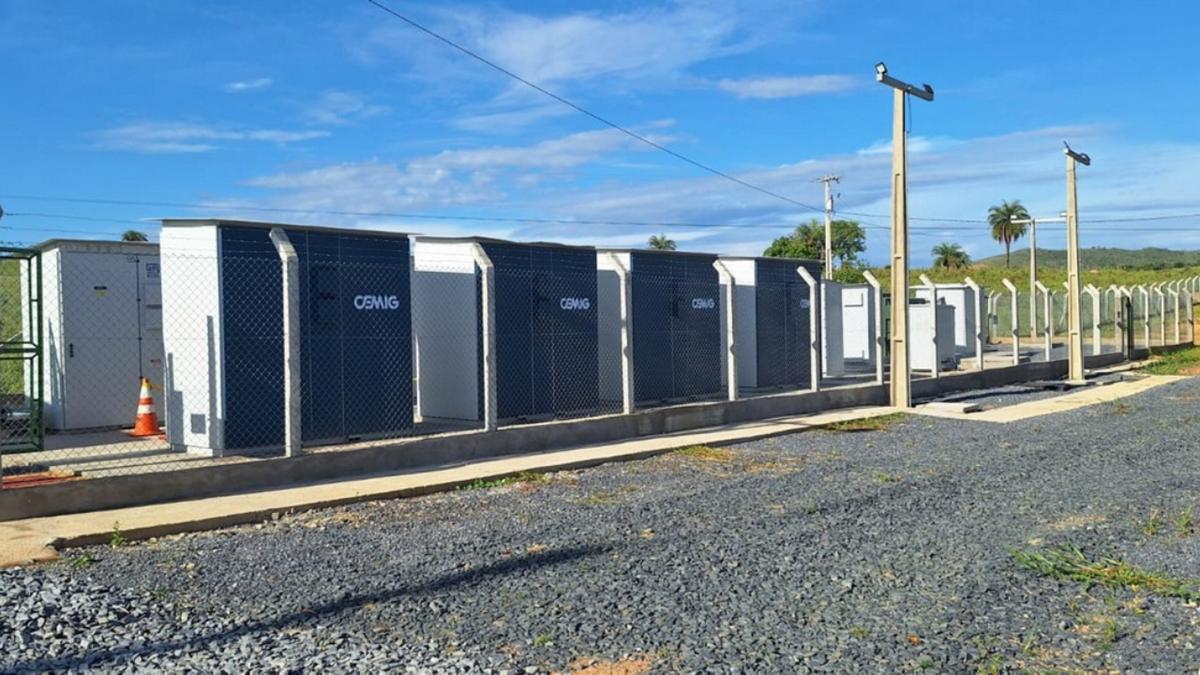
The major differentiator of this edition is technological flexibility: the program now includes battery storage systems coupled with photovoltaic generation.
This inclusion aims to solve the bottleneck caused by the mismatch between solar energy production—which occurs predominantly during the day—and the consumption hours of the facilities, allowing for smarter electricity use.
New technologies and resource distribution
The initiative is not limited to storage alone.
The portfolio of eligible projects ranges from the modernization of industrial motors and refrigeration systems to the retrofitting of public lighting and air conditioning in commercial buildings.
The goal is for both the private and public sectors to optimize their operations while reducing long-term operating costs.
The R$ 150 million has been strategically divided into categories to democratize access to financing.
Industry leads the share with R$ 40 million, followed by residential complexes (R$ 35 million) and the commerce/services sector (R$ 25 million).
Public agencies, public services, rural producers, and public lighting complete the framework, with specific allocations for each segment.
Technical guidance for successful proposals
To ensure technical and financial viability, Cemig emphasizes that interested parties must pay close attention to Aneel regulations.
For more complex projects, such as those involving batteries, the recommendation is to seek specialized consulting.
Cemig‘s energy efficiency engineer, Farley Alves Pereira, stated:
“The recommendation for those without experience is to seek support from energy efficiency service companies, known as ESCOs, to structure proposals and documentation”
Impact and next steps
The reimbursement model varies depending on the proponent.
While public and philanthropic institutions rely on non-repayable funds, companies and residential complexes operate through performance contracts.
In this scenario, the investment is partially returned to the utility company over five years, funded precisely by the savings achieved on the electricity bill.
Applications, which opened on October 6, close on November 6, 2026.
With a track record of 177 approved projects over the past decade, Cemig expects this phase to drive the adoption of battery systems, cementing Minas Gerais as a benchmark in the transition to a more modern and efficient energy matrix.