Brazil’s diesel supply is secured for October, but the outlook for November remains uncertain amid a global refining crisis.
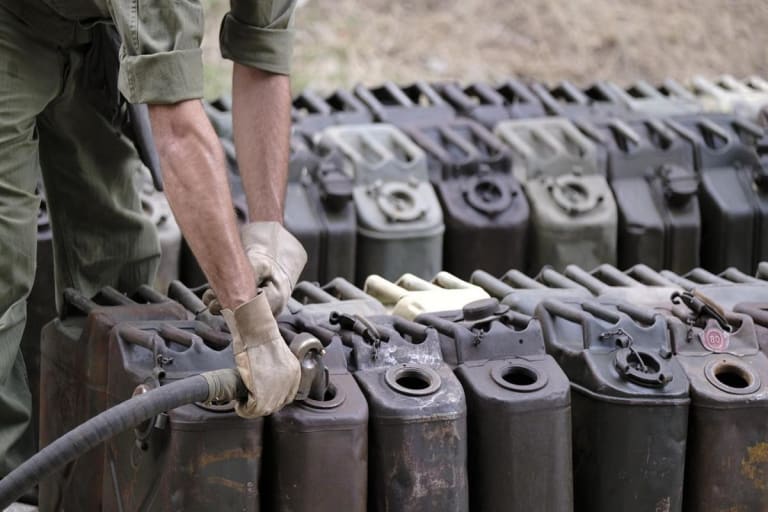
Brazil’s fuel market is navigating a period of high tension. While current stocks guarantee the supply of diesel until the end of October, the sector is facing difficulties in closing import contracts for the following month.
The situation is aggravated by a 26.5% year-on-year drop in external purchase volumes in September, according to Mdic data.
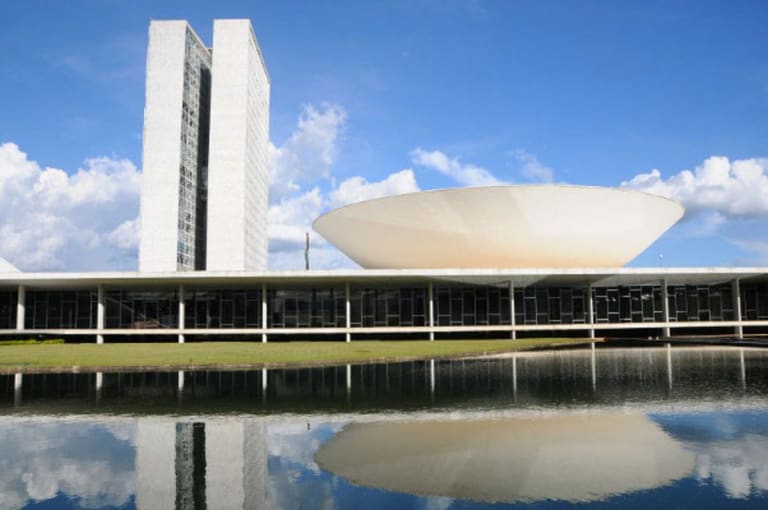
To avoid shortages during the final stretch of the electoral process, the federal government has intensified economic intervention. The strategy involves increasing subsidies for imported fuel and opening a billion-dollar extraordinary credit line.
This aims to balance costs for private companies at a time when the gap between domestic and international prices discourages new purchases.
International Logistics and Refining Challenges
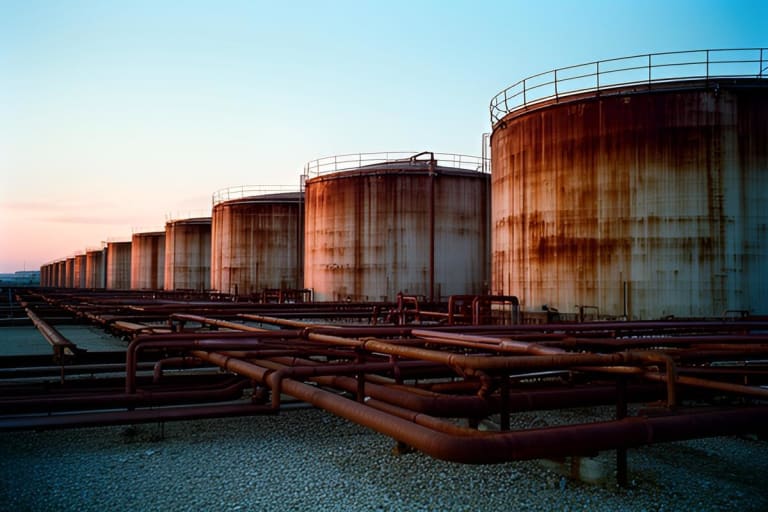
The crisis is not limited to Brazil’s borders. The core issue lies in a global shortage of crude oil refining capacity, a bottleneck exacerbated by conflicts in Ukraine and the Middle East.
As Brazil imports about 25% of the diesel it consumes, volatility in the international market directly impacts consumer costs and national logistics.
Furthermore, the origin of the fuel has seen drastic changes. Russia, which previously held a significant share in supplying the country, has reduced its deliveries, forcing greater dependence on the United States.
This concentration makes Brazil susceptible to any protectionist moves by the Donald Trump administration, which seeks to contain prices domestically before the U.S. midterm elections.
Chicão Bulhões, president of Barla, stated:
What we are experiencing today is a refining crisis. We are not experiencing a crisis in crude oil supply. That is not the crisis today.
Outlook and the Debate on Strategic Reserves
The country’s dependence on imports calls into question the current energy policy. Experts point out that the absence of robust strategic reserves, a common practice in nations like China and the United States, leaves Brazil exposed to recurrent external shocks.
The government’s solution of offering one-off subsidies has been criticized for focusing on the short term and straining the public budget, without addressing the structural bottleneck: the lack of sufficient refining capacity to meet domestic demand.
As pump prices continue on an upward trend — with diesel S-10 reaching high levels — expectations are placed on the potential resumption of Russian sales and the effectiveness of new subsidies.
However, the future scenario remains murky, as the resolution of political disputes in Brazil and the United States does not, in itself, guarantee an end to the geopolitical tensions hampering the global energy supply chain.