The federal government has released a new injection of R$ 7.52 billion via Provisional Measure to mitigate fuel price volatility, bringing the total amount invested in subsidies this year even higher.
In an effort to shield the domestic market against geopolitical shocks caused by the conflict in the Middle East, the Executive Branch has issued its ninth Provisional Measure (MP 1395/26) aimed at the energy sector. The initiative injects R$ 7.52 billion into the 2026 Budget to subsidize the import and production of petroleum derivatives, such as gasoline, diesel, and jet fuel.
The move reflects ongoing pressure on the national logistics chain and the need to guarantee price stability amid a scenario of global uncertainty. With this new release, the total volume allocated for this purpose throughout the year reaches the significant mark of R$ 43 billion.
Impact on public accounts and fiscal strategy
Although the funding is classified as extraordinary credit, which allows its execution without a direct impact on the surplus target of R$ 34,3 billion, the opportunity cost is evident. The financing of these expenses occurs through the issuance of public debt bonds, which increases the state’s exposure.
Economic experts note that the recurring use of these measures highlights the challenge of maintaining price parity without compromising the country’s financial health. According to the government’s rationale for the period, the primary focus is to prevent the full transfer of external volatility to the final consumer.
Budget management in the face of external crises requires agile maneuvers to protect both the productive sector and cargo transportation, keeping strategic fuel supplies operational throughout the national territory.
Legislative path
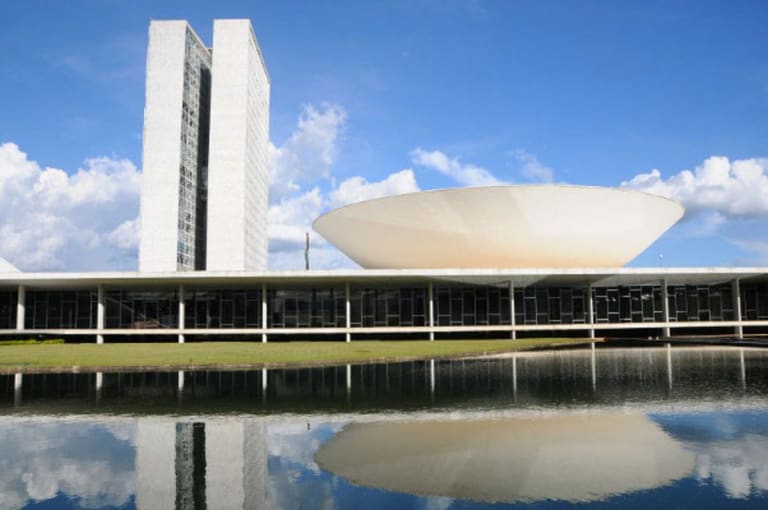
Although MP 1395/26 is already in effect, its final validity now depends on the parliamentary process. The text will be initially evaluated by the Joint Budget Committee (CMO) before moving on to a vote in the plenaries of the Chamber of Deputies and the Federal Senate.
Expectations are that the debate on the sustainability of these interventions will gain traction in the coming weeks. The continuation of the subsidy policy signals, for now, that the government is prioritizing the inflation control of petroleum derivatives in the face of prolonged instability from the international conflict, while maintaining constant monitoring of barrel prices and import parity.