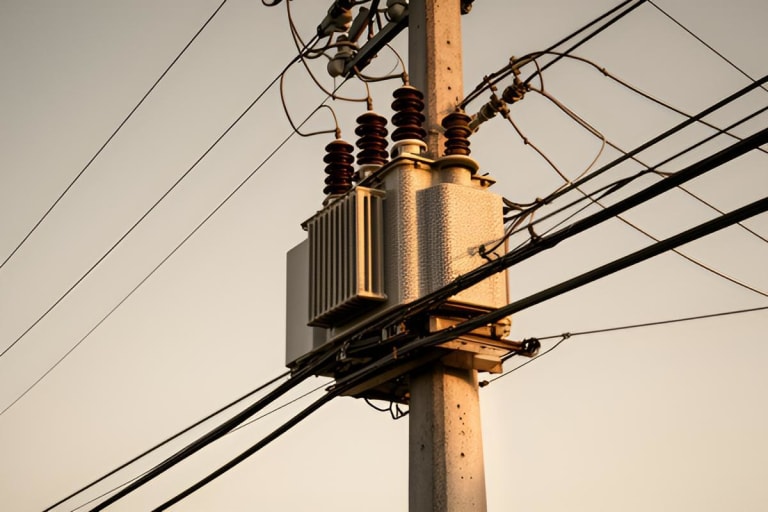
The STF ruled that the ICMS tax should not apply to federal subsidies granted to energy utilities to lower electricity bills for low-income consumers.
The Supreme Federal Court (STF) ended a long legal dispute by determining that funds transferred by the Federal Government (União) to power distributors in the form of economic subsidies are excluded from the ICMS tax base. The decision, reached in a virtual plenary session, solidifies the understanding that such contributions do not constitute commercial revenue.
The trial, which had recognized general repercussion under Topic 1.113, corrects a previous interpretation that allowed the benefit to be included in the calculation of state tax. With this ruling, the court unifies jurisprudence for all similar pending cases in the country, reinforcing the social nature of the measure.
Legal Nature and Public Policy
The appeal brought to the court by Siesp (Sindicato da Indústria da Energia no Estado de São Paulo) questioned the legitimacy of taxing a public policy instrument. The central argument was that the subsidy aims exclusively to ensure tariff affordability for the Low-Income Residential Subclass, and does not constitute a commercial transaction of goods.
Analyzing the case, the rapporteur, Justice Cristiano Zanin, highlighted that the amount injected by the federal government serves as an economic and financial balancing mechanism for concession contracts.
The subsidy that offsets the electricity tariff does not represent price, tariff, or revenue from the supply transaction, possessing a strictly regulatory nature.
Impacts of the Decision on the Power Sector
Justices Flávio Dino and Gilmar Mendes dissented, arguing that the transfer should form part of the final value of the commercial operation. However, the prevailing view was that utilities act merely as intermediaries in transferring this benefit, rather than generating taxable revenue from the subsidy.
By overturning the previous decision by the Superior Court of Justice (STJ), the power sector gains legal certainty. The established legal thesis definitively determines that ICMS should only apply to actual consumption, excluding amounts intended for social support.
The measure represents indirect tax relief for the distribution ecosystem, preventing federal assistance policies from being eroded by state taxation. The decision reinforces the STF‘s role in ensuring that funds allocated to assistance programs, such as Law 10,438/2002, maintain their integrity and original purpose of reducing the cost of living for the most vulnerable families.