New law intensifies the fight against fuel crimes, with more rigorous penalties for theft, robbery, and receiving stolen goods, aiming to dismantle criminal factions and protect the national energy supply chain.
Brazil’s growing wave of criminality in the fuel sector has just met a formidable legislative obstacle. The enactment of Law 15.517/26 marks a crucial milestone, introducing significantly stiffer penalties for the theft, robbery, and receiving of stolenpetroleum, its derivatives, and other types of energy. The measure was designed to curb the actions of organized groups that have infiltrated fuel distribution, causing economic losses and endangering public safety.
The main message of this new legislation is clear: the Brazilian state will no longer tolerate the ease with which these crimes were committed. The Law substantially increases sanctions, sending a direct warning to criminal networks and aiming to ensure the integrity of the energy infrastructure. With this, the government and the legislature hope to foster a safer environment for fuel production and distribution, a fundamental pillar for the economy and the daily lives of citizens.
Stiffer Penalties for Fuel Theft and Robbery
The new law stipulates that the crime of fuel theft will be punishable by imprisonment of 4 to 10 years, equating it to cases of theft involving the use of explosives. Penalties can be even more severe, with an increase of 1/3 of the sentence if the crime is committed by two or more people, with abuse of trust (as in the case of a former employee), or if the offender holds a public office. The destruction or breaching of obstacles to access the product also incurs this increase. The penalty increases by 2/3 when the crime causes suspension of activities, fire, actual or potential environmental pollution, or supply shortages.
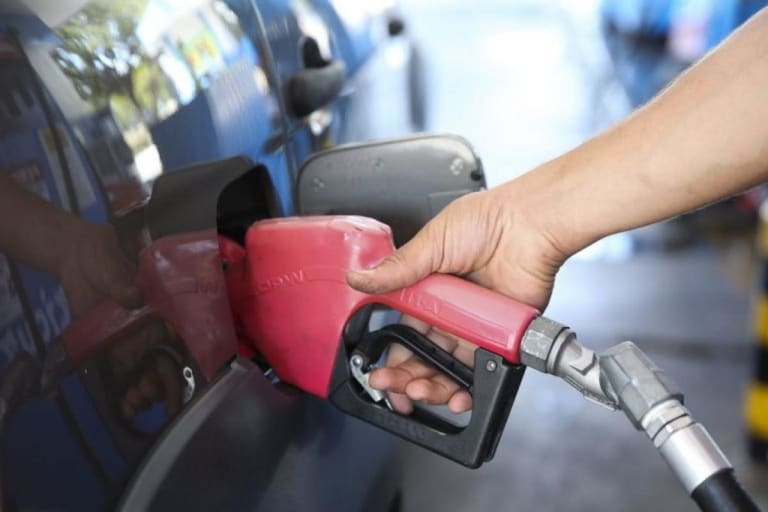
For fuel robbery, which already carries a standard sentence of 4 to 10 years and a fine, Law 15.517/26 provides for an increase of 1/3 to 1/2. The same circumstances that aggravate theft—such as service disruptions, fires, or damage to the environment and society—also increase the penalty for robbery by 2/3. It is important to note that the definition of these crimes covers a wide range of energy products, including petroleum and its derivatives, natural gas, hydrous ethanol fuel, biofuels, and lubricating oils, whether in production sites, storage facilities, pipelines, or any mode of transport.
New Crimes Against Economic Order and Receiving Stolen Goods
The legislation goes further, incorporating new criminal offenses related to the receiving of energy products into Law 8.176/91. Anyone who receives, transports, stores, or commercializes fuels, knowing or presuming their criminal origin, will be subject to imprisonment of 3 to 8 years and a fine. The law is comprehensive and considers any form of irregular or clandestine trade, including that carried out in residences, as commercial activity for punitive purposes. The receiver’s culpability remains even if the perpetrator of the original theft or robbery is unknown or exempt from punishment.
Implications for Public Servants and Asset Management
The new law also imposes severe consequences for public officials involved in these crimes. Conviction will result in the loss of public office, function, or employment, in addition to disqualification from holding such positions for twice the duration of the imposed sentence. To enhance judicial effectiveness, the legislation authorizes the early sale of seized assets when there is a risk of deterioration, depreciation, or difficulty in maintenance, ensuring the preservation of the value of these assets for the State.
Fighting Organized Crime and Environmental Protection
Congressman Juninho do Pneu (PSDB-RJ), author of the bill (PL 1482/19) that led to the law, emphasized that the main objective is to curb the expansion of clandestine drilling and the dominance of criminal factions over the lucrative fuel distribution market. The rapporteur in the Chamber, Congressman Ricardo Abrão (PSDB-RJ), reinforced the need for the measure by citing the multiple risks these practices entail.
“Illicit practices in this area are capable of distorting the market and creating serious risks to public safety,”
stated Ricardo Abrão. He also highlighted that fuel theft is an extremely dangerous operation due to the characteristics of the products (flammable, toxic, explosive) and the amateurish manner in which they are carried out.
“These thefts are carried out amateurishly, which increases the potential risk of the action, exposing nearby communities to possible explosions and deaths, the environment to impacts from leaks, and the consumer society to supply shortages,”
added the congressman, emphasizing the importance of protecting communities and the environment.
Presidential Veto
Despite general approval, there was a veto by acting President Geraldo Alckmin. The section that provided for a 2/3 increase in penalties for bodily injury or death resulting from these crimes was vetoed. Alckmin justified this by stating that the Penal Code already contains more appropriate and specific provisions to deal with situations of robbery that result in death, thus avoiding overlap or a less effective rule.
Law 15.517/26 emerges as a robust legislative response to increasing criminality in the energy sector, a fundamental step to ensure the security and integrity of Brazil’s fuel supply chain. By focusing on more severe penalties for theft, robbery, and receiving stolen goods, and by directly targeting the actions of criminal factions and environmental risks, the new legislation is expected to contribute to a fairer business environment and a more stable and sustainable supply for the entire population. This is a continuous effort to protect not only the energy market, but also public safety and the environment.