The rise of China as a trade partner requires more than just low costs from Brazilian entrepreneurs: it is vital to manage risks, ensure quality, and build strategic partnerships for sustainable competitiveness.
The trade relationship between Brazil and China reached a record level in 2025, with Brazilian purchases totaling a significant US$ 70.9 billion. This historic volume solidifies the Asian nation as Brazil’s largest trade partner, accounting for approximately a quarter of all the country’s imports. Vital sectors of the national economy, such as civil construction, technology, and various industries, significantly depend on this global supply chain.
However, the current import landscape has radically transformed. The ease of access to global suppliers via digital platforms has diluted the former advantage of finding Asian partners. Today, simply seeking the lowest factory price has proven to be a trap, generating hidden costs and losses due to delays, compromised quality, and complex customs bottlenecks, especially for companies with reduced operating margins in the domestic market.
The Shift in the Import Game
The current competitive landscape demands a much more sophisticated approach than just the initial price of the goods. The rapid digitalization of international trade, which once democratized access to foreign producers, now imposes an urgent demand for robust risk management and accurate predictability throughout the entire supply chain.
Many Brazilian companies that solely relied on cost reduction have ended up facing significant setbacks. Product rejects, unexpected delivery delays, and customs hurdles have become frequent, compromising schedules and the financial health of operations. To mitigate these risks and ensure quality, new practices have become mandatory.
New Requirements: Management and Quality at the Source
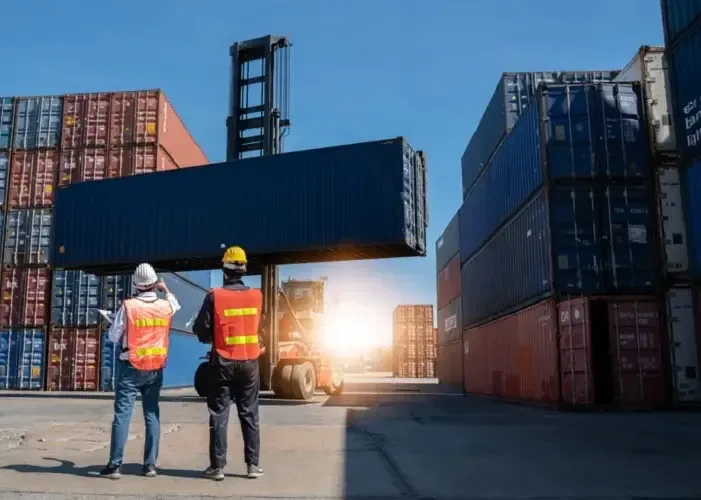
To successfully navigate this new environment, Brazilian companies have begun to incorporate rigorous control measures. On-site audits at Chinese manufacturing facilities, product homologation tests, and strict quality control, directly at the source, are now essential prerequisites before finalizing any purchase order.
Prior planning has also gained unprecedented relevance. Fully mapping the involved taxation, international freight costs, warehousing expenses, and the analysis of exchange rate variations has become fundamental. This detailed study, even before orders are sent, is crucial to avoid unpleasant surprises and ensure the viability of the operation.
The Value of Strategic Partnership
Direct importing from China has evolved from a one-off tactic to reduce costs into a long-term strategy focused on building solid and integrated partnerships. This collaborative approach with Chinese industries is the true differentiator that ensures supply stability and fosters business competitiveness in Brazil. Supply chain resilience is vital.
Gustavo Braz, CEO of PMD Group, emphasizes the importance of a comprehensive vision:
“An entrepreneur who only calculates the value of the goods will hardly have a healthy operation. Competitiveness arises when all costs are known before purchase and when there is predictability regarding deadlines, quality, and supply.”
This holistic perception is decisive for success.
This new paradigm in foreign trade demands constant adaptability from Brazilian entrepreneurs.
Building strategic ties, investing in risk management, and quality control at the source are no longer differentiators, but rather pillars for sustainability and competitiveness in the global landscape.
For emerging sectors such as clean energy, ensuring a reliable and transparent supply chain is a decisive factor for growth and sustainability.
China, with its vast productive capacity, will continue to be a fundamental partner, but the way of interacting with it will increasingly demand intelligence and strategy.