EPE launches public call to map pumped-storage hydropower plants and plan for future procurement in Brazil.
The Energy Research Office (EPE) is launching a strategic initiative to boost the development of pumped-storage hydropower plants across the country. Beginning in November, a public call will open to identify and gather detailed information on projects currently underway in Brazil. The goal is to use this data to inform the planning of future procurement and the integration of these plants into the national grid.
This action, part of EPE’s work plan, seeks to comply with the guidelines established by CNPE Resolution No. 8/2026. The schedule includes publishing project registration instructions in October, with the main call taking place in November. Submitted projects must provide essential data such as installed capacity, energy storage capacity, capital and operating costs, construction schedules, transmission grid access, the status of ongoing studies, land tenure, and environmental licensing progress.
Pumped-Storage: A Strategic Pillar for Energy Security
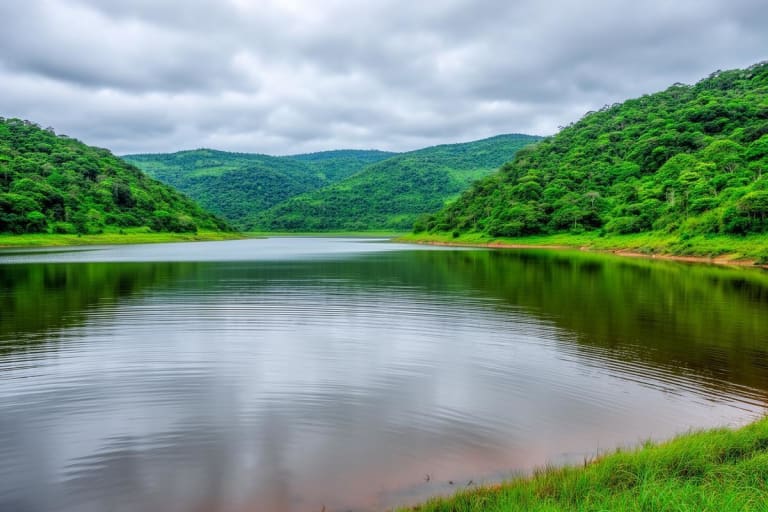
Pumped-storage hydropower (PSH) plants are gaining prominence in the Brazilian energy landscape for their ability to function as large-scale energy storage systems. Unlike conventional hydroelectric plants, pumped-storage facilities use two reservoirs at different elevations. During periods of low demand or excess generation, water is pumped to the upper reservoir; when electricity demand peaks, the water is released to generate power. This flexibility allows for the storage of gravitational potential energy, which can be returned to the power grid when needed.
EPE views this technology as essential for addressing four critical needs of the National Interconnected System (SIN): ensuring power availability, increasing operational flexibility, facilitating the integration of intermittent renewable sources like solar and wind, and strengthening system resilience. Law No. 15.269/2025 has further reinforced EPE’s mandate to develop studies and projects related to this form of storage, recognizing its strategic importance.
Detailed Mapping and Environmental Licensing
The November call will act as a market survey, providing EPE with a clear view of the volume and maturity of existing projects. The information gathered will cover technical aspects, risks, and costs, all of which will be crucial for drafting future procurement rules, whether through auctions or other competitive mechanisms. It is important to note that registration is consultative and informative, and does not guarantee eligibility for future tenders.
“The call for projects is a fundamental step in understanding sectoral energy planning, verifying whether there are projects under development in the country with a volume compatible with the growing demand for the National Interconnected System,” said Thiago Prado, President of EPE.
The project requirements will be divided into three main pillars: maturity (project stage, studies, licensing), technical characteristics (power, storage, grid integration), and costs and timelines (Capex, Opex, schedule). Furthermore, environmental licensing is a central concern. PSH plants are considered projects with potential environmental impact, requiring Special Environmental Licensing (LAE), in accordance with Law No. 15.269/2025. Environmental analysis and coordination with the relevant authorities should begin during the early stages of project design.
Next Steps and the Future of Hydro Storage
The detailed schedule and requirements were presented by Gustavo Ponte, EPE’s Superintendent of Power Generation, during a seminar hosted by GESEL/UFRJ. The module dedicated to registering pumped-storage plants within EPE’s AEGE system is expected to be completed by January 2027. The work plan involves coordination with the Ministry of Mines and Energy (MME) and the National Water and Basic Sanitation Agency (ANA), the definition of technical criteria for future auctions, and the updating of cost databases.
EPE’s initiative signals an important shift toward greater security and flexibility for the Brazilian power system, exploring the potential of pumped-storage hydropower as a strategic, complementary solution for the expansion of renewable energy.