
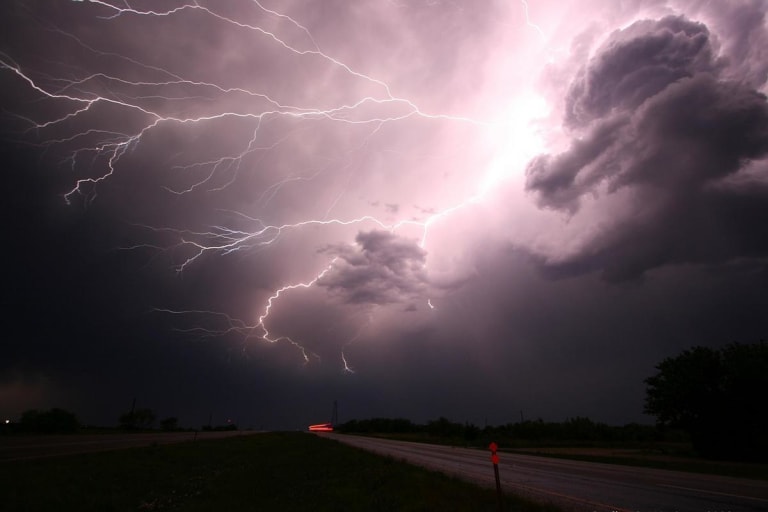
The distributor Light has decided to launch its summer contingency plan two months earlier than anticipated, aiming to mitigate operational risks caused by the influence of El Niño.
Light, responsible for supplying energy to approximately 4.3 million consumer units across 31 cities in Rio de Janeiro state, has taken a strategic preventive measure. The traditional Summer Plan, which typically commences in November, has had its schedule advanced to September, a direct response to meteorological forecasts of extreme weather events associated with the El Niño phenomenon.
The period of high temperatures, which naturally increases energy demand and overloads the distribution system, necessitated a more agile approach from the concessionaire. With this early start, the company aims to bolster the resilience of its electrical grid in anticipation of intense storms and strong winds, which frequently impact supply stability.
Monitoring and Operational Reinforcement
The company’s strategy involves more rigorous meteorological monitoring, carried out in partnership with specialized companies. The idea is to strategically position service teams preventively, based on specific weather alerts, even before outages occur. Furthermore, there has been an increase in field staff and in the support provided by the Integrated Operations Center (COI), in addition to the reservation of emergency generators.
The company has planned for an increase in the volume of occurrences to reinforce resources in the field and at the Integrated Operations Center, in addition to intensifying preventive maintenance to ensure greater grid resilience, states João Paulo Parreira, Superintendent of Integrated Operations at Light.
This action plan is not a one-off effort. Over the past two years, the distributor has increased preventive maintenance by 45%, conducting inspections on over 11,000 kilometers of lines and installing approximately 250 new protection devices. In addition, a joint effort with Comlurb ensures the pruning of vegetation near cables, preventing damage caused by falling branches during storms.
Structural Challenges and Future Investments
With the renewal of its concession for another three decades, Light projects an investment cycle of R$ 10 billion by 2030. This amount will be allocated to technological modernization, automation, and preparing the system for growing demands, such as the necessary infrastructure for data centers and artificial intelligence technologies.
However, the operational scenario still faces serious obstacles, such as cable theft and consumption irregularities. In 2026, wire thefts resulted in losses of almost R$ 10 million, leading the company to gradually replace copper with aluminum to deter criminal activity. Simultaneously, combating energy theft remains a bottleneck, with the company having already regularized 179,000 irregular connections in just the first eight months of the year, in an effort to remedy billion-dollar financial losses.