Two Years of the “Fuel of the Future” Law: Binatural underscores biodiesel’s crucial role in Brazil’s decarbonization and energy security during a debate in the Chamber of Deputies.
At a pivotal moment for the future of Brazil’s energy matrix, Binatural was present at the Chamber of Deputies in Brasília to mark the second anniversary of the “Fuel of the Future” Law. The event, which brought together authorities, specialists, and representatives from the productive sector, served as a platform to discuss the progress and next steps in implementing the legislation, with a special focus on expanding the use of biodiesel.
The legislation, sanctioned with the objective of promoting fuels with lower environmental impact, has the expansion of the mandatory biodiesel blend with fossil diesel as one of its pillars. Since its inception, Brazil has witnessed remarkable growth in the production and use of this biofuel, generating tangible environmental, social, and economic benefits for the country.
Concrete Advances and Socioeconomic Impact
The “Fuel of the Future” Law established a roadmap to increase the share of low-carbon fuels in the national energy matrix. During its validity, the blend of biodiesel in commercial diesel rose from B14 to B15, resulting in a significant increase in production, which jumped from approximately 9 billion to nearly 10 billion liters.
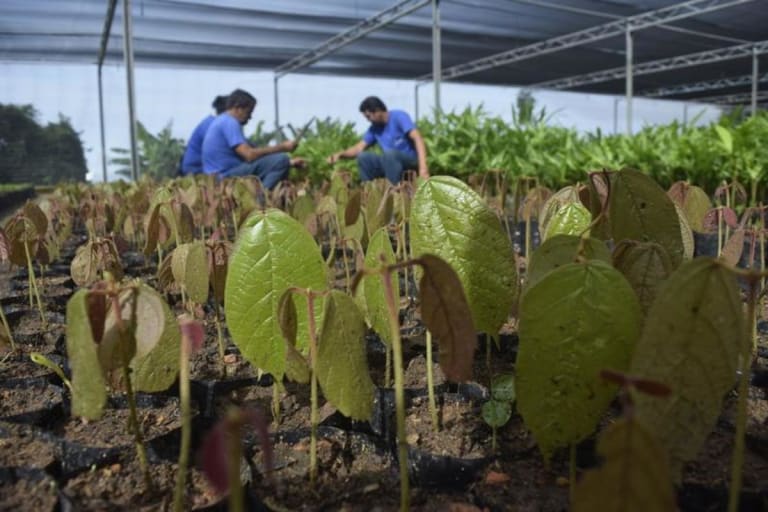
These figures not only reflect the sector’s technological and productive advancement but also a significant social impact. Over 25,000 family farmers have been integrated into the Social Biofuel Seal program, boosting the rural economy. Furthermore, the use of biodiesel contributed to reducing atmospheric CO₂ emissions by 1.2 million tons and generated an increase of R$ 17 million in wage mass, considering the direct and indirect effects of the activity.
Biodiesel: A Strategic and Available Solution
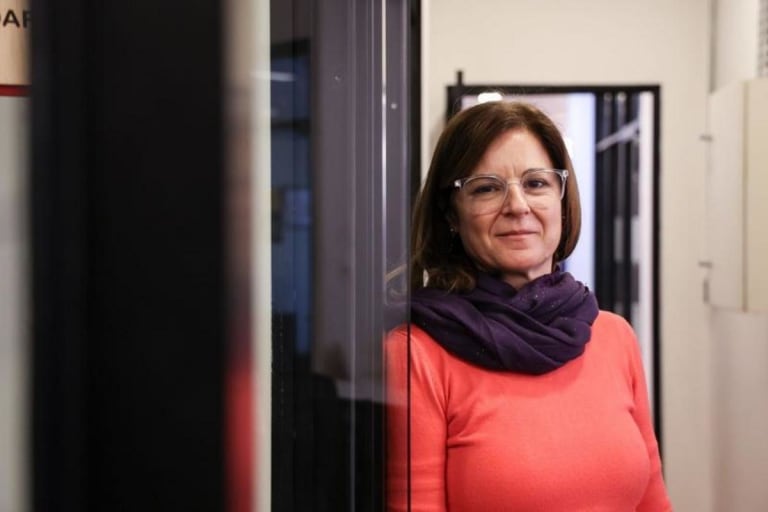
Binatural‘s CEO and co-founder, André Lavor, emphasized the importance of leveraging Brazil’s already consolidated infrastructure and production capacity to further promote the use of biodiesel.
We have a structured industry and production capacity to move forward now. Expanding biodiesel allows us to combine different benefits in the same agenda: it reduces emissions, generates economic activity and income in Brazil, and strengthens our energy security by decreasing the country’s exposure to fossil diesel imports
stated Lavor.
Simplification and New Opportunities for Biodiesel
Another crucial point addressed at the event was the simplification of rules for the voluntary use of biodiesel in percentages higher than the mandatory blend. Thanks to the changes introduced by the “Fuel of the Future” Law and implemented by ANP, various applications that previously required prior agency approval now only require notification. This opens doors for the use of higher blends, including B100, in sectors such as public transport, railways, shipping, captive fleets, mining, and agriculture.
This flexibility not only accelerates emission reduction in strategic sectors but also stimulates the utilization of the installed capacity of the Brazilian biodiesel industry, fostering innovation and competitiveness.
Optimistic Projections and Energy Security
The “Fuel of the Future” Law foresees an ambitious trajectory, with the potential to reach B25 by 2035. If this goal is achieved, projections indicate the avoidance of over 540 million tons of CO₂ emissions, the support of 540,000 family farmers, and accumulated savings of approximately US$ 92 billion from reduced fossil diesel imports.
For André Lavor, biodiesel is fundamental to Brazil’s energy security.
We have the raw materials, technology, industry, and a prepared national production chain to respond to increased demand. To transform this capacity into results, it is important to have predictability and an environment that allows for long-term investments
he highlighted. He also emphasized the relevance of continuous dialogue between the legislative branch, the government, and the productive sector to build a more sustainable and prosperous energy future for the country.
Binatural‘s participation in this debate reinforces its commitment to leading the transition towards a cleaner and more efficient energy model, aligned with Brazil’s socioeconomic and environmental development goals.