The Federal Senate has approved a strategic bill aimed at attracting R$50 billion in investments for each gigawatt installed in the clean energy sector through the Redata model.
The Renewable Energy sector in Brazil has just received a decisive boost with the recent approval by the Senate of a new bill. The measure focuses on enabling the expansion of energy parks and electrical infrastructure, utilizing a mechanism known as Redata, which promises to revolutionize how the market approaches capital injection into large sustainable projects.
The expectation is that the initiative will attract a massive amount of capital, reaching US$50 billion for each 1 GW of installed capacity. This milestone is fundamental for strengthening the national Energy Matrix, positioning the country even more competitively in attracting international investors interested in Decarbonization and long-term assets.
Redata’s Role in Financial Optimization
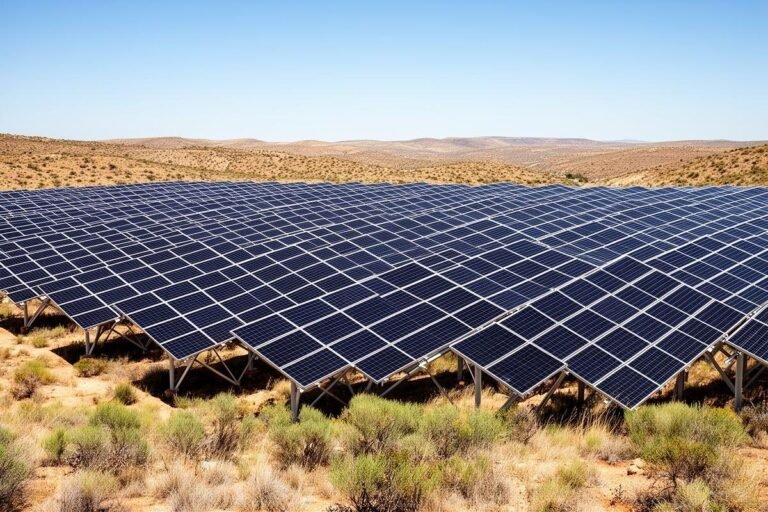
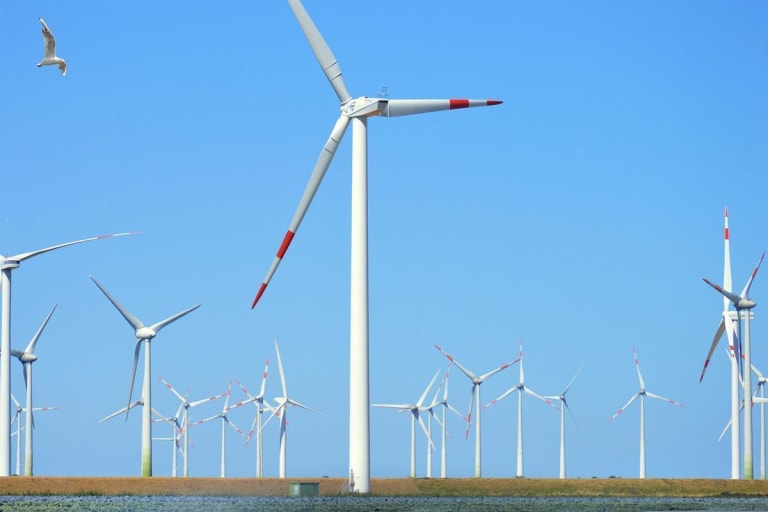
One of the major bottlenecks for developers of sustainable sources, such as solar and wind energy, has always been the high initial cost. The Redata mechanism emerges as an effective solution to alleviate the capex — capital expenditure — of these ventures.
By reducing the burden of initial contributions, the project facilitates the financial viability of plants that previously faced liquidity challenges in the traditional financial market.
The implementation of this model allows for more efficient resource allocation, significantly reducing financial pressure on companies responsible for building and operating clean energy power plants.
Impact on Infrastructure and Climate Goals
With this capital injection, Brazil takes a step forward in meeting its global climate goals. The expansion of 1 GW of installed capacity is a vector for growth not only for the electricity sector but for the entire production chain linked to sustainability.
The initiative is seen by experts as a watershed moment for the modernization of the national electricity system. The next step for consolidating this measure involves detailed regulation by the Executive Branch.
The market observes with optimism, projecting that the increased flow of resources via Redata will accelerate the energy transition and attract new technologies that optimize the use of Brazil’s natural resources, consolidating the country as a global reference hub for the Green Economy.