Magda Chambriard stalls plans to return to the fuels sector and says Petrobras is not considering acquiring new distributors in the current economic climate.
The top leadership of Petrobras has imposed a temporary limit on the guidelines proposed by the Palácio do Planalto for the national energy sector. During the presentation of strategic guidelines for the next five-year period, the company’s management rejected any immediate move to re-enter the retail fuel market.
The decision directly contradicts the expectations of President Luiz Inácio Lula da Silva and the development-oriented factions of the government. The federal administration views the resumption of this supply chain as an essential mechanism to mitigate volatility and influence the prices at the pumps.
The corporate strategy and legal limits
When asked about potential acquisitions in the sector, the oil company’s president, Magda Chambriard, was categorical in dismissing the possibility in the current planning horizon.
We are not evaluating that at this time
The board is only considering the structuring of an in-house logistics operation, focused exclusively on wholesale. However, this move is blocked by contractual constraints stemming from the privatization of the former subsidiary, divested during the tenure of former President Jair Bolsonaro.
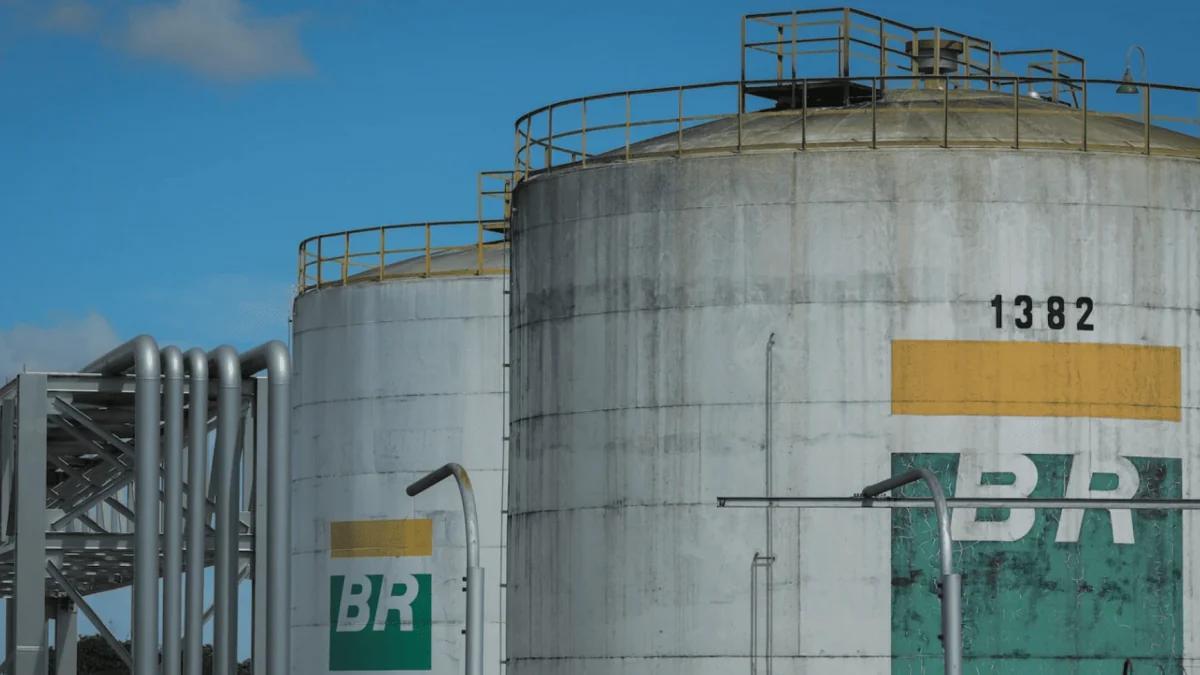
The divestment of the former BR Distribuidora, now Vibra Energia, was completed in 2021 and imposed a commercial veto. Under the signed clauses, the state oil company was legally barred from operating in the retail distribution segment until 2029, although the use of the brand at reseller stations was licensed.
The political debate and price pressure
The loss of federal influence over price setting in the domestic market is a recurring source of dissatisfaction among the governing base. During the 2026 election campaign, public policy makers led by figures such as José Sérgio Gabrielli advocated for the repurchase of strategic assets to cushion external shocks.
The discontent has gained momentum amid geopolitical instabilities, especially the conflicts in the Middle East, which have driven up international oil prices. The head of the federal executive has blamed the sector’s privatization for the inflationary pressure passed on to Brazilian consumers and transporters.
Perspectives and Next Steps
The divergence between the executive board’s technical view and the central government’s political will highlights governance challenges within the state-owned enterprise. While corporate management prioritizes financial discipline and the fulfillment of long‑term contracts, government allies continue to push for structural changes.
In the coming months, the company’s focus will remain on executing the disclosed strategic plan, leaving no room for aggressive asset re‑acquisition maneuvers in the fuel retail sector, keeping the market alert to the unfolding political tug‑of‑war.