Pedra Agroindustrial inaugurated a modern sugar factory at the Buriti plant in São Paulo, increasing flexibility between the production of biofuels and sweeteners.
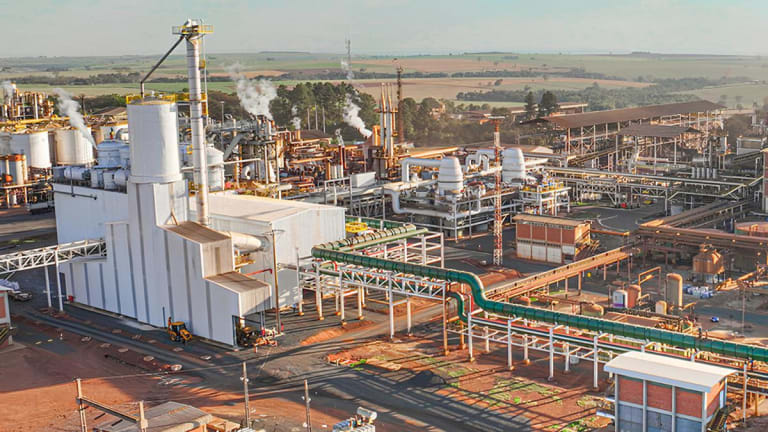
The energy transition and the pursuit of greater operational efficiency have gained a new chapter in the São Paulo interior. Pedra Agroindustrial has begun operations at its new manufacturing unit dedicated to the sugar-energy sector in Buritizal, strengthening the company’s portfolio diversification strategy in the clean energy and food markets.
With a capacity to process up to 250,000 tons of sweetener annually — equivalent to five million bags — the structure integrated with the Buriti plant represents a milestone in the company’s asset management. The project began transforming the local economy even during its implementation phase, injecting dynamism into the northwestern region of São Paulo.
Socioeconomic Impact and Job Creation
The execution of civil works and the electromechanical assembly of the industrial complex required significant logistical and engineering effort. During the peak of construction, the initiative mobilized approximately 400 workers, including direct and indirect positions, boosting local commerce and services in Buritizal (SP).
Although the volume of 250,000 tons reflects the plant’s annual production ceiling and not yet an established record, the commencement of operations alters the organization’s competitive standing. The operational phase solidifies the brand’s commitment to sustainable development and the modernization of its manufacturing facilities.
Strategic Flexibility Between Sugar and Ethanol
The major competitive advantage gained by Pedra Agroindustrial lies in the versatility of its business model. By having robust infrastructure for sugar manufacturing, management gains autonomy to adjust the production mix according to international price volatility and the demands of the ethanol market.
This agility in industrial planning optimizes the use of sugarcane biomass, allowing for rapid responses to economic fluctuations. The company’s board stated:
The modernization of the unit expands our adaptability to the demands of the global market, ensuring greater business resilience.
The advancement at the Buriti plant reflects a consolidated trend in the Brazilian sugar-energy sector, where the integration of biofuel and food commodity production dictates the pace of investment. In the coming cycles, it is expected that operational flexibility will yield significant margin gains, consolidating the strategic role of bioenergy in the national economic matrix.