
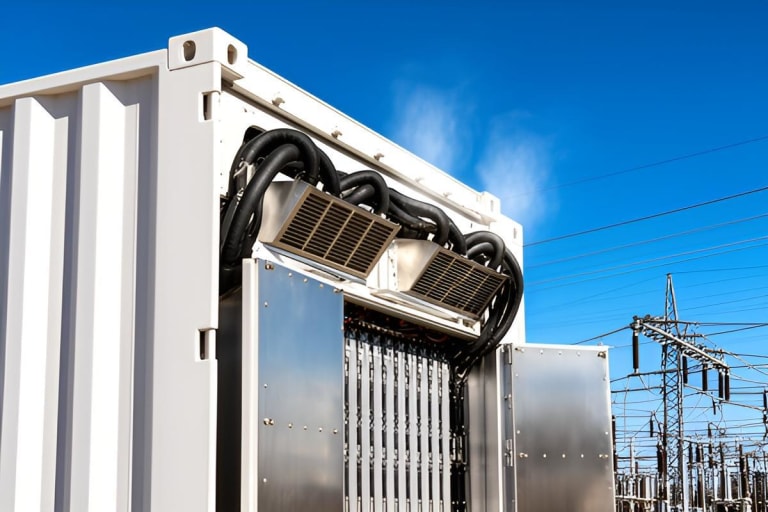
The ONS released a detailed guide with technical requirements for battery projects aimed at LRCAP, while the ANEEL debates the costs of ERCAP.
The Brazilian energy market is moving toward modernizing the electric grid with the imminent arrival of new storage technologies. With the capacity auctions scheduled for early December, developers of battery‑system projects have gained crucial regulatory and operational support to shape their proposals.
The National System Operator released a comprehensive set of questions and answers focused on guiding investors through connection and operation rules. This move aims to provide legal and technical certainty to those planning to integrate the so‑called SAE into the national grid, anticipating the engineering challenges associated with the National Interconnected System.
Technical regulation and system access
The new material clarifies critical questions about the approval process and the studies required for equipment integration. Among the key points, the operator stresses that commercial qualification for the auction does not replace the mandatory steps for releasing high‑voltage transmission infrastructure for use.
Investors will need to demonstrate the technical viability of their battery parks, which includes analysis of advanced features such as grid‑forming technology. This capability is essential for ensuring frequency and voltage stability on the network, modernizing ancillary service provision in the country.
The published guidance is purely informational, serving as a navigation map for entrepreneurs, but does not replace existing official regulations.
Debate on Costs and Financing of the Reserve
While the system operator explains the technical mechanics, the National Electricity Agency leads critical discussions on the financial engineering of these projects. The agency hosted a virtual workshop to debate the allocation of charges related to power procurement, a central issue of Public Consultation No. 37/2026.
The meeting brought together representatives from EPE, CCEE, and the regulated sector itself to align the methodology for charging the Power Charge for Capacity Reserve. The main goal is to transparently define how the costs associated with the operational flexibility of batteries will be distributed among consumers and regulated market participants.
The harmonization between the operator’s operational requirements and the financial modeling discussed by the regulatory agency marks a milestone for the national energy transition. With clearer rules for connection and cost recovery, the country is solidifying the groundwork needed to attract consistent investment in energy storage in upcoming auction cycles.