The Ministry of Mines and Energy is betting on grid digitalization to transform citizens into protagonists of their own energy choices in Brazil.
The Brazilian energy market is moving toward a revolution focused on user autonomy. During the Smartgrid event held in São Paulo, the MME emphasized that modernizing power distribution is the essential path to putting the customer at the center of decision-making. The strategy aims to create an environment where energy transition and consumption management go hand in hand, drawing inspiration from international efficiency models.
To illustrate the ministry’s vision, acting director Aline Teixeira shared a practical experience from her international travels. Abroad, automated systems already allow homes to adjust the operation of appliances and irrigation systems based on tariff fluctuations. This scenario reflects the goal set for Brazil: to allow citizens to manage their expenses intelligently, supported by clear economic incentives and real-time data access.
Regulatory milestones and multibillion-dollar investments
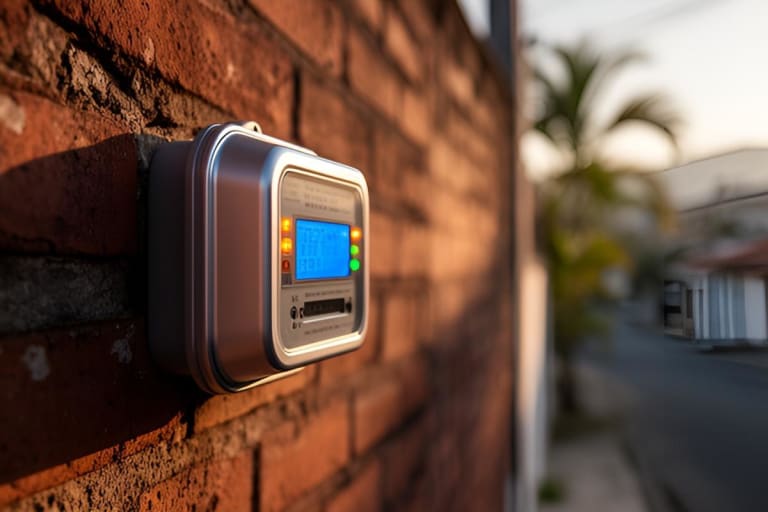
With the objective of enabling this futuristic infrastructure, the federal government has implemented recent strategic guidelines. Ordinance 111 established a decade for the full digitalization of the sector, while Ordinance 126 set initial targets to accelerate the process. However, experts emphasize that the evolution goes far beyond swapping traditional meters, requiring a profound technological overhaul of clean energy networks and distribution.
For the consumer to make their own decisions, we must modernize; we need our grid to be digitalized.
Strengthening this ecosystem also involves significant contractual renegotiations. Decree 12.068 enabled the renewal of concessions covering more than half of the distribution market, unlocking substantial financial contributions. Investments of approximately R$ 130 billion are expected by 2030—funds essential for companies to modernize basic infrastructure and deliver more efficient services to end users.
Next steps and sector coordination
The regulatory schedule requires concessionaires to submit cost-benefit analyses by February 2028. These documents will be crucial to measuring the real impact of tariff and technological improvements on society. The official expectation is that these studies will consolidate a transparent and advantageous outlook for users in the coming years.
Finally, government representatives emphasize that technological evolution will not occur through isolated measures. The success of sustainability and technological innovation in the power sector depends on integrated governance, uniting the public sector, regulatory bodies, and private agents in favor of a more dynamic, modern, and truly people-centered market.