ANP’s new regulation for LNG terminals aims to democratize market access but sparks debate about the legal certainty of investments in the electricity sector and long-term contracts.
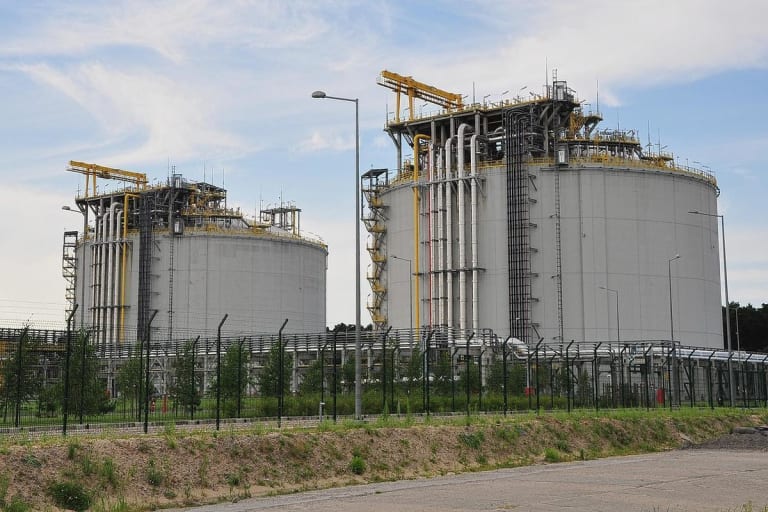
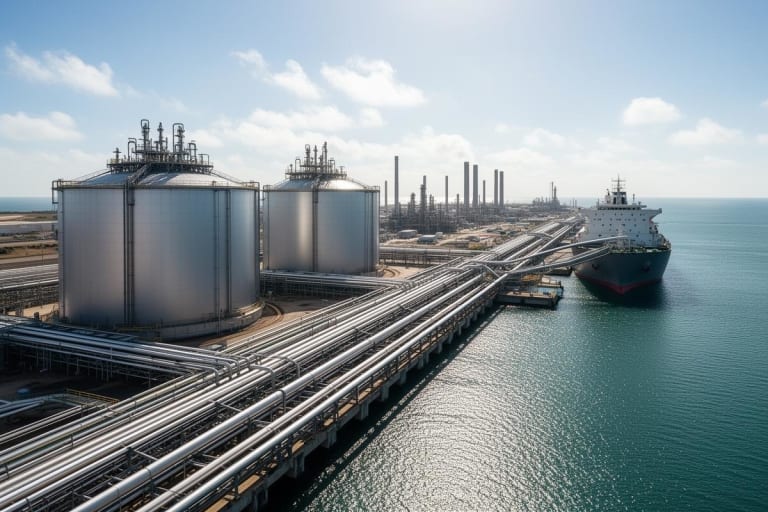
The highly anticipated opening of the natural gas market took a decisive step in July 2026. With the publication of Resolution No. 1,003, the Agência Nacional do Petróleo, Gás Natural e Biocombustíveis (ANP) established new guidelines for the use of LNG (liquefied natural gas) terminals by third parties. The measure is a strategic pillar of the New Gas Law, designed to increase liquidity and foster more balanced competition among sector players.
While the objective is to make national infrastructure more efficient and accessible, the implementation of the regulation brings tensions. Investors fear that regulatory rigor—especially concerning preference rights and contractual terms—may discourage new investments, generating uncertainties in projects that, until now, operated under different economic premises.
The Impact on Preference Rights
One of the major points of divergence is the new preference regime for terminal owners. The rule guarantees total exclusivity for the first ten years of operation but imposes revisions every five years after that cycle, leading to a gradual loss of control over available capacity.
Over a 30-year horizon, the reservation preference is extinguished. For assets already in operation, retroactive term counting could significantly shorten the protection period investors had calculated when structuring these ventures.
Conflicts with the Electricity Sector
The challenge is particularly acute for terminals associated with thermoelectric power plants. In these cases, regasification capacity may appear idle to external observers, but it is vital to meet the dispatch demands of the Operador Nacional do Sistema (ONS) (National System Operator) and ensure the country’s energy security.
Leonardo Jardim stated:
The absence of specific criteria to reconcile these regulatory realities can generate uncertainties regarding the preservation of already concluded supply, storage, and terminal use contracts, as well as the allocation of risks originally considered by investors.
Thiago Silva and Maria Carolina Priolli warn about these risks.
Next Steps and Regulation
Beyond capacity management, ANP has tightened control over access conditions, demanding greater transparency and accounting separation for vertically integrated operators. The mandatory connection to the national transportation grid emerges as an essential requirement for terminals to effectively integrate into the country’s infrastructure, even if this forces a costly adaptation of existing assets.
For the market opening to be successful, the scenario requires fine-tuning between ANP and the Agência Nacional de Energia Elétrica (Aneel) (National Electric Energy Agency). Harmonization between gas and electricity sector regulations will be the deciding factor: the market needs transparency and access, but also a solid foundation that protects long-term contracts and the predictability necessary for the expansion of national infrastructure.