
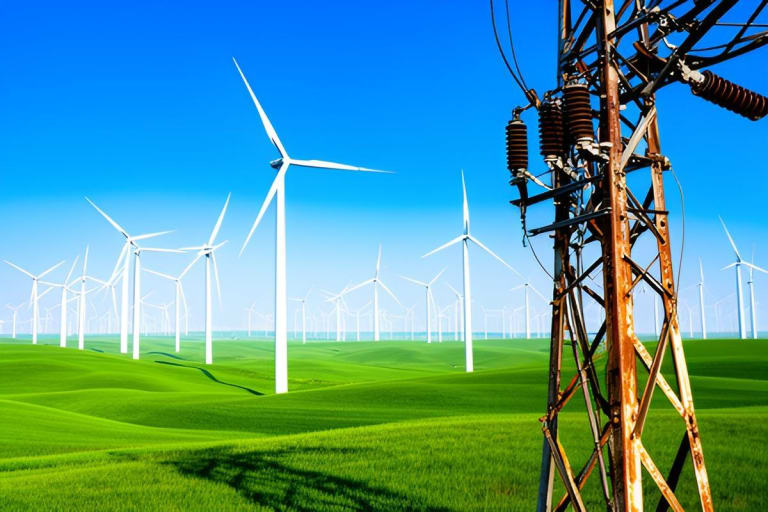
Keeping the Selic rate high creates a critical barrier for Brazil to attract global investments aimed at the energy transition, amid the COP31 negotiations.
While global attention turns to COP31, held in Antalya, Turkey, the debate over climate finance takes on dramatic stakes for Brazil. The ambitious goal of mobilizing US$ 1.3 trillion annually by 2035 for sustainable projects in developing countries sits at the heart of discussions, yet Brazil’s macroeconomic reality is moving in the opposite direction of international investors’ expectations.
The benchmark interest rate, the Selic, set at 13.75% per year, places the country at a competitive disadvantage. In a market where global funds seek safety and returns, the high cost of money in Brazil raises the capital needed to finance wind, solar, and other renewable plants, making national assets less attractive compared to economies with lower rates and greater currency stability.
The dilemma of capital cost versus natural potential
Brazil has an undeniable comparative advantage due to its abundance of natural resources. However, this strength is often neutralized by financial math. According to Fabio Ongaro, CEO of Energy Group, the gap between productive capacity and financial viability is clear. For the specialist, the international market evaluates not just wind quality or solar incidence, but the feasibility of return spreadsheets.
“Diplomacy showcases Brazil’s potential. The investment committee demands the spreadsheet. Brazil competes for these resources with countries that can offer more predictable contracts and lower financing costs,” Ongaro points out.
This pressure is intensified by the fact that Brazil has one of the highest real interest rates in the world. Competing with sovereign bonds that offer high liquidity and low risk, renewable energy projects—facing complexities such as licensing, grid connection, and regulatory uncertainties—become less attractive to investors seeking to minimize risks in long‑term projects.
Operational Risk and the Challenge of Stability
Beyond interest rates, other factors pressure capital raising. Currency risk, caused by the mismatch between dollar-denominated debt and revenue in reais, makes protective mechanisms such as hedge prohibitively expensive. Added to this are operational uncertainties related to curtailment (generation cuts imposed by the grid operator), which add an extra layer of uncertainty for those investing in the sector.
While instruments such as the Climate Fund, operated by BNDES, play a significant role, experts view a strategy that relies solely on subsidized credit as a stopgap. The sustainability of investments requires private capital to find fertile ground, which presupposes convergence between fiscal responsibility and the monetary policy set by Copom.
For Brazil to translate its natural leadership into concrete capital flows from COP31, the immediate challenge is to lower the cost of taking risks in the domestic market. Success in attracting funds will ultimately depend on the country’s ability to provide institutional predictability, turning its environmental promise into a safe and profitable destination for global climate capital.