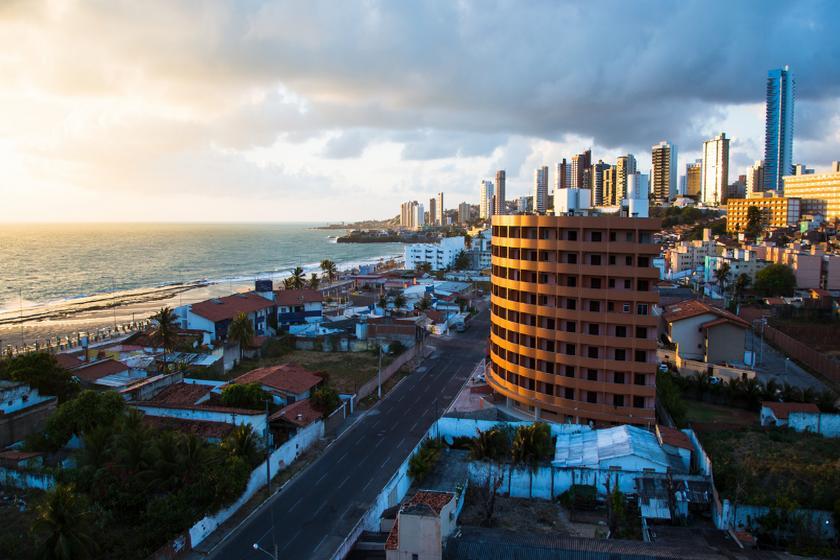
With the capacity to generate ten times more energy than it consumes, Rio Grande do Norte is looking to attract data centers and new investments. Upcoming events in Natal will debate energy storage and the expansion of digital infrastructure.
The impressive capacity for renewable energy production in Rio Grande do Norte has placed the state in a highly strategic position within the national economic landscape. Generating up to ten times more electricity than its own internal consumption requires, the region is now seeking to transform this overabundance into a powerful engine to attract investments focused on energy transition, high-tech industries, and large-scale data centers.
To boost this ecosystem and integrate sustainable production with digital demand, the capital city of Natal will host two major industry events promoted by Grupo FRG Mídias & Eventos. On October 21 and 22, the FIERN headquarters will host the seventh edition of Energy Storage Brasil, focusing on energy storage technologies. This will be followed on October 23 by the Data Center Conference 2026, connecting the state’s power grid to opportunities in the data market.
Competitive advantage and attracting new markets
For the Federation of Industries of the State of Rio Grande do Norte (FIERN), under the leadership of President Roberto Serquiz, the abundant supply of clean energy already constitutes a concrete competitive advantage. The main focus now lies in ensuring the necessary legal certainty and structuring a favorable business environment so that large-scale consumers can establish themselves in the state, absorbing the surplus and driving new production chains.
The president of FIERN, Roberto Serquiz, states:
This energy availability, with a generation capacity ten times greater than consumption, is not a prospect to be transformed into an energy advantage: it is already an advantage. Now we are entering the phase of capturing energy consumers, providing them with more security regarding this factor, and generating firm legal certainty.
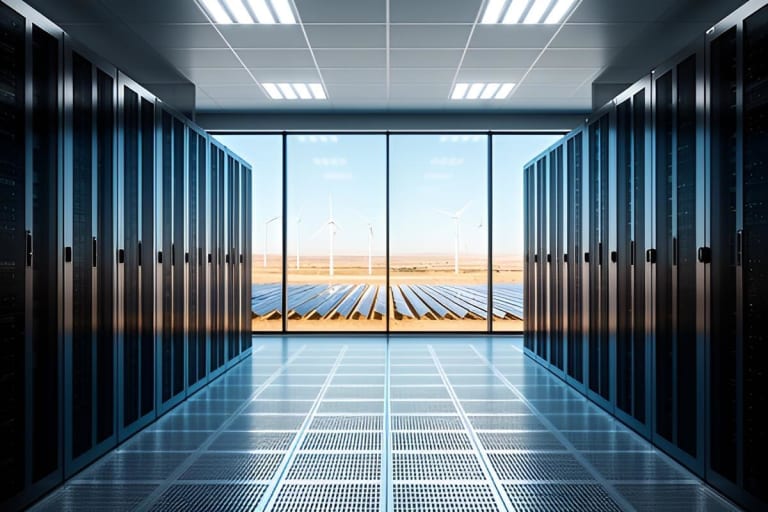
Among the potential consumers with high economic appeal are data centers. The state combines two decisive factors to attract these complexes: an abundance of renewable energy generation and geographic proximity to low-latency fiber optic cable anchoring points in the Northeast. To consolidate this appeal, the productive sector advocates for rapid progress in specific regulations.
Roberto Serquiz reinforces:
Certainly, Rio Grande do Norte is one of the best spots to install a data center in Brazil. We have an abundance of its main input, which is energy, and we are very close to the entry point of the communication structures arriving in the Northeast.
Energy storage and combating curtailment
Despite its high generation potential, the local power sector faces grid flow limitations, a phenomenon known as curtailment—the forced reduction of generation due to a lack of connected load. According to the president of the Regional Council of Engineering and Agronomy of Rio Grande do Norte (Crea-RN), electrical engineer Roberto Wagner, Battery Energy Storage Systems (BESS) are crucial for retaining excess production and injecting it into the grid during peak times.
Roberto Wagner explains:
Today we have a lot of energy, and Rio Grande do Norte suffers from curtailment, which is the cutting of generation due to a lack of loads connected to the generation. There is a mismatch between generation and load.
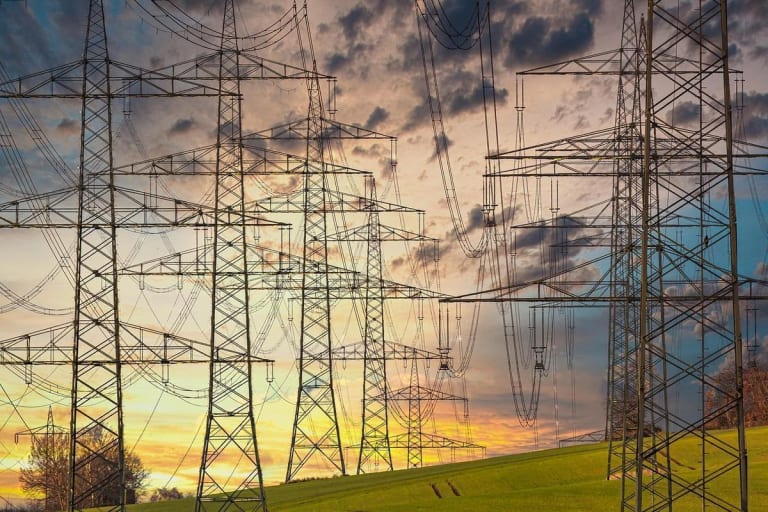
Absorbing this supply through large digital infrastructures will also require rigorous planning of substations, connection points, and transmission lines. Furthermore, the expansion of technologies such as large-scale batteries, electromobility, and distributed generation will open new fronts of qualified work for local engineering, demanding specialization in safety, thermal control, and automation.
The president of Crea-RN highlights:
It is not just a matter of simply increasing the number of professionals; it will be necessary to expand and emphasize specialization. These are specific niches that we need to develop. In this world of energy transition, we have many opportunities from the perspective of BESS, electromobility, distributed generation, and renewable generation.
Strategic integration between energy and digital infrastructure
The union between sustainable production and technological demand represents the ideal path to transform energy potential into socioeconomic development. The director of Grupo FRG Mídias & Eventos, Tiago Fraga, points out that holding these meetings together in Natal is intended precisely to bring together stakeholders from the production, investment, and technology chains.
Tiago Fraga states:
It is not enough for Rio Grande do Norte to be a power in renewable generation if part of this energy faces limitations in reaching consumption. Storage, grid expansion, and attracting large consumers must advance together. By bringing Energy Storage Brasil and the Data Center Conference to Natal, we want to bring together those who produce energy, those who develop technology, those who invest, and those who can transform this energy availability into new business for the state.
With discussions ranging from lithium-ion, sodium, and hydrogen batteries to artificial intelligence and connectivity, the forums are expected to attract nearly a thousand experts and investors. Consolidating Rio Grande do Norte as a hub for data centers and energy storage technologies positions the state at the forefront of the energy transition and the digital economy in Brazil.