
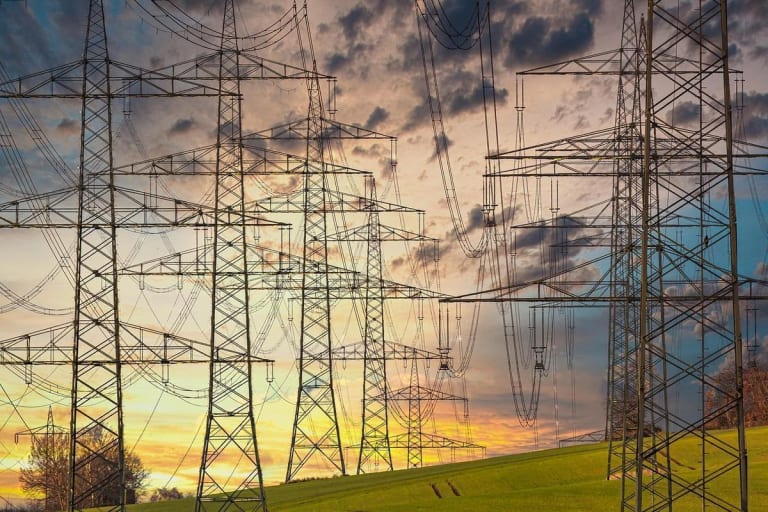
To reinforce infrastructure in Rio Grande do Sul following extreme weather events, EPE recommends R$ 3 billion in transmission and distribution power grid projects through 2038.
Electric power infrastructure in the southern region of Rio Grande do Sul is set to receive substantial investments to ensure regional supply stability. The Energy Research Office (EPE) has indicated the need to invest R$ 3 billion in structural transmission and distribution improvements.
The planning is a direct response to the severe floods recorded in the state in May 2024. The environmental disaster exposed the urgency of strengthening Rio Grande do Sul’s power grid against the growing frequency of severe weather events.
With a planning horizon extended to the year 2038, the investments aim to modernize the grid, replace end-of-life assets, and ensure the continuity of power distribution.
Strategic investments and grid expansion
Of the recommended global amount, approximately R$ 1.43 billion will be directed toward interventions directly in the Basic Network (Rede Básica). The remaining amount will cover adaptations in Other Transmission Facilities (DIT) and in the networks operated by local distributors.
The technical study indicates the implementation of new supply points in key municipalities, including São Gabriel, Universitária, Dom Pedrito, São Lourenço, Piratini, and Tabatinga, in addition to a 138 kV yard at the Alegrete 2 substation.
The expansion of supply routes increases alternatives for load rerouting during emergency situations. The projects also include the sectioning of lines and the replacement of aging transformers.
Climate resilience criteria in planning
To prevent further supply collapses, EPE has altered traditional engineering guidelines. Decisions regarding the location of substations and line routing now incorporate detailed data on floods and inundation risks.
The inclusion of field information gathered from local agents has allowed planned structures to be moved to topographically safer areas, protecting vital assets of the electrical system.
Climate resilience and the ability of new facilities to continue performing their functions under extreme conditions have been added to the technical, economic, and socio-environmental criteria used in planning.
The readjustment of guidelines