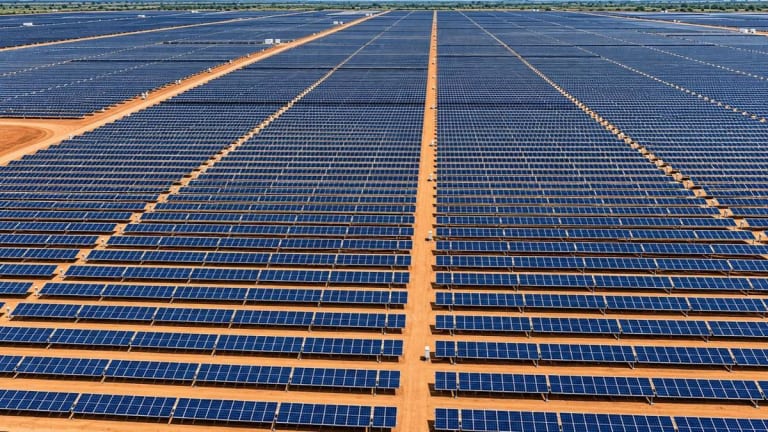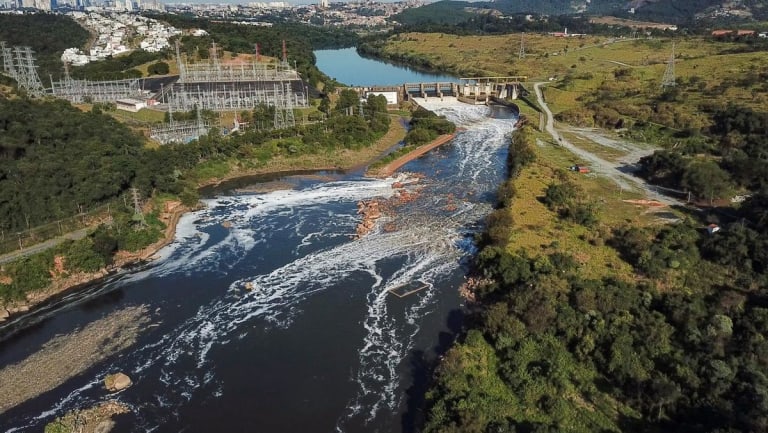
Energy storage goes far beyond chemical batteries, requiring a diversified array of technologies, such as reversible hydroelectric plants, to ensure the stability of the National Interconnected System.
The transition to an energy mix dominated by variable renewable sources, such as solar power and wind power, imposes new operational challenges on the NIS (National Interconnected System). The intermittency of these sources demands robust flexibility solutions capable of absorbing generation surpluses and meeting demand during critical moments.
Energy storage therefore emerges as a strategic piece on the board of Brazil’s energy security. By shifting electricity over time, these technologies mitigate waste—known as curtailment—and balance grid operations, ensuring that supply remains constant, efficient, and resilient in the face of natural climate fluctuations.
The role of reversible hydroelectric plants
While batteries receive media attention, RHEs (Reversible Hydroelectric Plants) represent one of the most mature solutions for long‑duration storage. Globally, the technology has reached 200 GW of installed capacity, establishing itself as essential infrastructure for the stability of complex electric systems worldwide.
The operating principle of an RHE is based on gravitational potential energy. Essentially, the system pumps water from a lower reservoir to an upper one during periods of low demand. When energy needs rise, the water is released, driving turbines to generate electricity and meet consumption.
An analysis of the current energy transition landscape in the country points out:
Storage is a functional necessity; the technologies are the different paths to meet it, and the most suitable alternative depends on the required service.
The efficiency of these systems is remarkable, with operational cycles ranging from 70% to 85%. For the electric sector, this technology offers versatility: the system can act both in energy absorption and power delivery, with durations that can vary from a few hours to long‑duration cycles, depending on the stored volume.
The Regulation and the Future of the Sector
The Brazil, with its extensive history in hydraulic engineering, has significant geographic potential to implement the closed‑loop model. Recently, regulatory progress led by ANEEL (National Electricity Agency), through Regulatory Resolution No. 1,161/2026, has paved the way for classifying these plants as autonomous SAE (Electric Energy Storage System).
The sector’s strategic context reinforces:
Brazil combines a solid history in hydroelectric engineering and favorable geography to explore the potential of UHR. Turning that potential into real projects requires advancing technical, environmental, and connection studies.
For these projects to move beyond paper, sector planning must evolve beyond mere construction. Viability depends on deep integration with the transmission system, as well as remuneration models that consider the long term, given the high investment required in civil works, excavations, and electromechanical technology.
The future of the electric grid will not be sustained by a single technological solution. The challenge the country faces is to design a flexibility matrix that combines batteries, reversible plants, demand response, and transmission expansion. The ideal choice should always be dictated by the service the system requires in each region, prioritizing the best cost‑benefit.