

ICMS energy tax rules prevent key sectors from recovering taxes amid drought alerts.
The return of the green tariff flag in October 2026 provided a momentary relief for electricity consumers’ pockets. However, a long-standing rule regarding the Tax on Circulation of Goods and Services (ICMS) continues to prevent companies in various sectors from recovering a significant portion of the taxes paid on their electricity bills. The situation becomes even more critical as weather forecasts indicate a period of climate instability in the coming months.
The legislation, based on the Kandir Law and state regulations such as São Paulo’s CAT Normative Decision No. 1/2007, limits the deduction of ICMS credits on electricity. Only consumption directly associated with industrialization, the resale of goods, or export operations allows for tax recovery. This means that expenses for lighting, refrigeration, and air conditioning—which account for a considerable share of costs—do not generate the right to a tax credit.
Sectors at a tax disadvantage
This restriction disproportionately affects businesses that use energy intensively, such as basic industries, metallurgy, chemical and petrochemical companies, as well as slaughterhouses, data centers, and agribusinesses. The lack of a clear technical separation in energy use, whether in internal reports or metering, results in substantial financial losses.
Edna Dias, a tax attorney and partner at Duarte Tonetti Advogados, explains the complexity:
“In practice, this means an industry recovers the tax on the energy that runs its machines, but a supermarket with its own bakery only recovers the ICMS on the energy used for the oven—not for the energy that lights the aisles, chills the freezers, or air-conditions the stores, which is usually the most expensive part of the bill. When energy goes up, this non-creditable portion goes up with it, with no tax relief.”
Climate risks and the threat of rising tariffs
While the green flag emerges as a temporary relief, driven by favorable rains in September, the National Institute of Meteorology (INMET) has issued important alerts. There is a high probability of a strong El Niño phenomenon between the spring and summer of 2026/2027, which increases the risk of water scarcity in the reservoirs that supply the National Interconnected System (SIN).
This combination of factors could drive energy tariffs upward. A 15% increase in the tariff, for example, could significantly impact the operating costs of commercial establishments with a large share of non-creditable consumption.
Mitigation and planning strategies
Given the expected volatility in energy prices, experts recommend preventive actions. For large consumers, planning includes drafting detailed technical reports to qualify energy use, reviewing production processes, and conducting retroactive audits to seek unclaimed tax credits from the past five years.
Closely monitoring electricity supply contracts is also crucial. Attorney Edna Dias emphasizes the importance of anticipation:
“The worst time to find out that a company is overpaying ICMS on energy is after the bill has already gone up. Those who map out what can and cannot generate credit today arrive prepared for any scenario, whether it’s a green or red flag.”
Early preparation ensures that companies are more resilient in the face of tariff fluctuations and tax complexities, especially in an uncertain climate scenario.
RELATED NEWS
 Palato supermarkets partner with GreenYellow for energy efficiency in new stores
READ MORE
Palato supermarkets partner with GreenYellow for energy efficiency in new stores
READ MORE
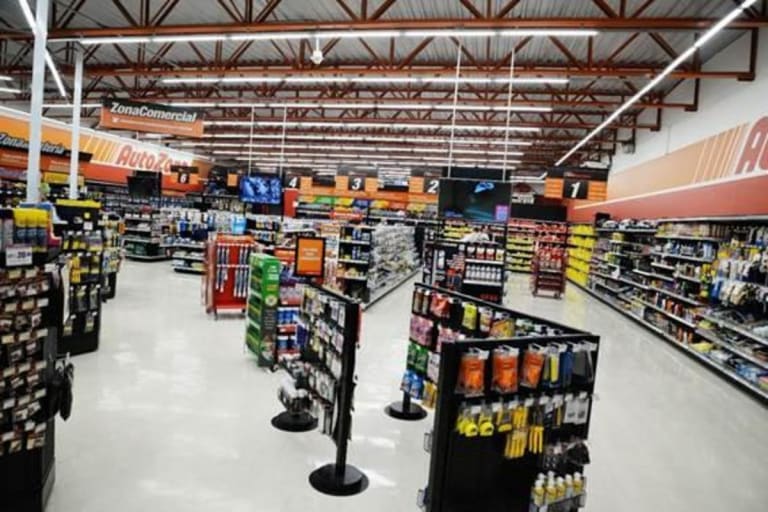 Auto parts retailer adopts energy subscription model across 68 stores, targeting R$ 1.4 million in annual savings
READ MORE
Auto parts retailer adopts energy subscription model across 68 stores, targeting R$ 1.4 million in annual savings
READ MORE
 Origem Points to Risk of Delay in Connecting Seven Thermal Power Plants Following New Access Rule
READ MORE
Origem Points to Risk of Delay in Connecting Seven Thermal Power Plants Following New Access Rule
READ MORE