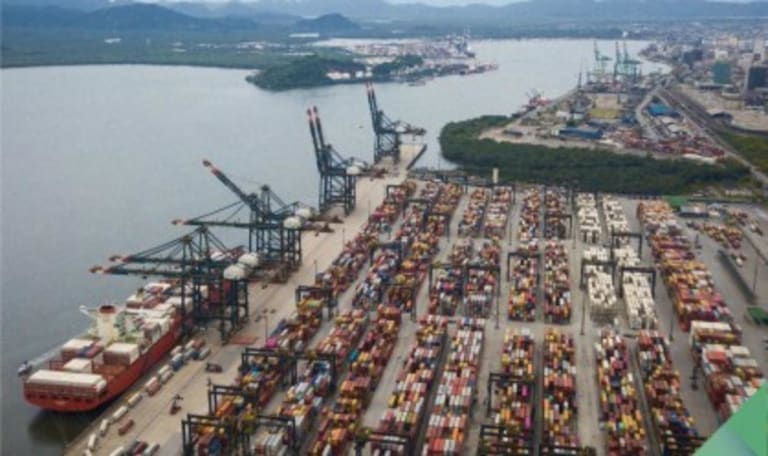
The impact of new tariffs and global economic adjustments places the energy transition and clean energy at the center of discussions on sustainability and the market.
The global and national macroeconomic scenario is going through a period of intense transformation, where government decisions directly impact strategic sectors, including the green industry and agribusiness. While Brazil deals with fluctuations in production costs and threats of surcharges that affect everything from foreign trade to the development of sustainable technologies, European nations are accelerating their pace toward decarbonization, redesigning the future of electric mobility and renewable sources.
These developments highlight the urgent need to align fiscal and trade policies with long-term environmental goals. Experts point out that the resilience of the renewable energy market will depend on how governments and companies manage to navigate high interest rates, tariff barriers, and the ongoing need for green investments.
Tariff Challenges and the Future of the Green Industry
The advance of protectionist policies in different regions of the globe raises concerns about the flow of essential inputs for manufacturing clean technologies, such as batteries and solar panels. The imposition of trade barriers drives up supply chain costs and slows down the pace of deploying infrastructure geared toward sustainability. In Brazil, productive sectors are seeking alternatives to mitigate losses and maintain competitiveness in the face of an international market that is increasingly demanding and regulated by strict socio-environmental criteria.
Accelerating Decarbonization Goals
In contrast to protectionism, blocs like the European Union are showing a sense of urgency in revising emission targets, pressing the global automotive industry to shift more quickly toward low-emission vehicles. This guideline drives demand for clean energy matrices and cements green hydrogen and electrification as pillars of the future economy. At the same time, international cooperation agreements are gaining momentum, uniting leaders to ensure that economic growth goes hand in hand with environmental preservation.
Economic stability and regulatory security are fundamental to unlocking the investments needed for the global energy transition.
The economic horizon calls for caution, but it also creates room for opportunities in the green economy. The ability of governments and markets to overcome tariff barriers will determine the speed at which the world reaches a truly sustainable, low-carbon development model.