
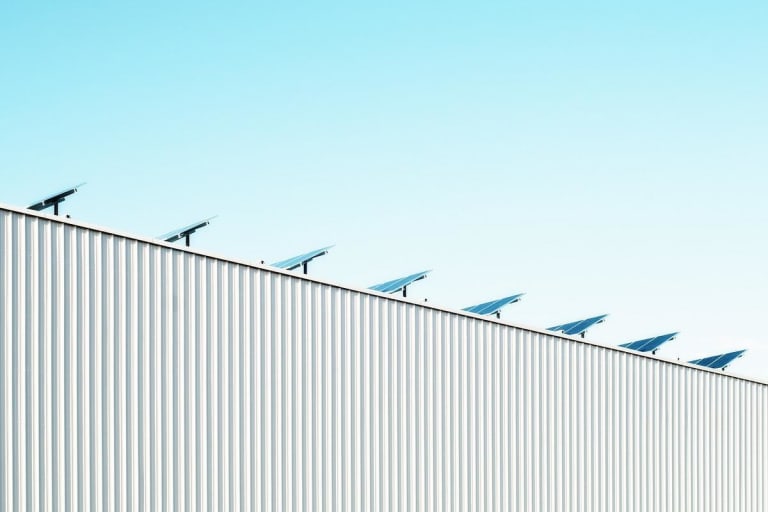
Distributed micro and mini-generation are set to take center stage in Brazil’s energy matrix by 2036, accounting for nearly 40% of all new installed capacity projected for the period.
Brazil’s power sector is undergoing an accelerated structural transformation, with Distributed Generation (DG) solidifying its position as a key pillar of the nation’s energy development. According to the draft of the Ten-Year Energy Expansion Plan 2036 (PDE 2036), currently under public consultation by the Ministry of Mines and Energy (MME), the country is expected to add 110 GW of installed capacity over the next decade, with 41.4 GW coming specifically from self-generation solutions.
This trend is primarily driven by solar photovoltaic technology. Forecasts by the Energy Research Office (EPE) suggest that Brazil’s total generation capacity will jump from 272 GW in 2026 to 382 GW by 2036. In this scenario, DG not only grows in absolute volume but also increases its significance in the national supply, raising its share in the matrix from 8.2% to 10.9% by the end of the next decade.
Investments and the power of centralized generation
Although distributed generation is advancing at a significant pace, large-scale centralized projects remain the primary driver of financial investment in the sector. The PDE 2036 estimates R$ 638 billion will be allocated specifically for power generation and transmission through 2036. Of this total, R$ 415 billion is earmarked for centralized generation, which includes robust investments in wind farms, large-scale solar plants, and baseload sources such as thermal and hydroelectric power plants.
The need for flexibility in the National Interconnected System (SIN) to manage the natural intermittency of renewable sources has also shaped official planning. The plan includes the addition of 9.2 GW in energy storage systems, mostly through batteries, and another 4 GW via demand response mechanisms.
These resources are expected to help meet the power and flexibility needs of the National Interconnected System as variable renewable sources grow and consumption patterns shift.
Challenges and outlook for the energy mix
Despite the continuous expansion of sources such as wind and solar, planning documents indicate a slight decrease in the percentage share of renewables in Brazil’s total electrical matrix, which is expected to go from 90% to 88.8% by 2036. This is explained by the absolute increase in consumption—projected to grow by approximately 39% during the period—and the necessity to maintain backup sources like thermal and nuclear generation, which will play a strategic role in system stability as industrial demand and the electrification of the Brazilian economy intensify.
The horizon leading up to 2036 also includes a massive reinforcement of the transmission network, with R$ 127 billion designated for the construction of new power lines and the expansion of substation capacity. By ensuring the infrastructure is in place to deliver energy generated across different regions, the government aims to support new loads, such as data centers and the growth of electric mobility, ensuring the system keeps pace with the country’s energy transition with security and operational efficiency.
RELATED NEWS
 Climate Observatory indicates that female senators lead alignment with environmental agenda but remain a minority
READ MORE
Climate Observatory indicates that female senators lead alignment with environmental agenda but remain a minority
READ MORE
 Electricity Bills: Understanding Consumption to Make the Most of Energy Choice
READ MORE
Electricity Bills: Understanding Consumption to Make the Most of Energy Choice
READ MORE
 Governor Jerônimo Rodrigues authorizes sale of minority stake in Bahiagás following reelection
READ MORE
Governor Jerônimo Rodrigues authorizes sale of minority stake in Bahiagás following reelection
READ MORE