Delays in subsidy disbursement and reduced import volumes by Petrobras are raising concerns in the diesel market.
Brazil’s fuel sector is once again grappling with a complex scenario in September, showing signs of tightening diesel supply just as the agricultural planting season begins. The situation is particularly sensitive in Rio Grande do Sul, a region that previously faced similar challenges in April.
This instability reflects a combination of factors. On one hand, Petrobras has reduced its import volumes, coinciding with a significant increase in international oil prices. On the other, the implementation of an additional R$ 1 per liter diesel subsidy, announced by the government, is hampered by the delayed publication of an ordinance by the Ministry of Finance.
Awaiting Subsidy Regulation
The ordinance detailing the subsidy’s value and duration, which the Ministry of Finance had promised by the end of last week, has yet to be published. This ongoing uncertainty prevents Petrobras from moving forward with evaluating and adjusting its prices, as stated by the state-owned company. The measure is considered crucial for mitigating the impact of rising fuel costs.
Challenges in the Supply Chain
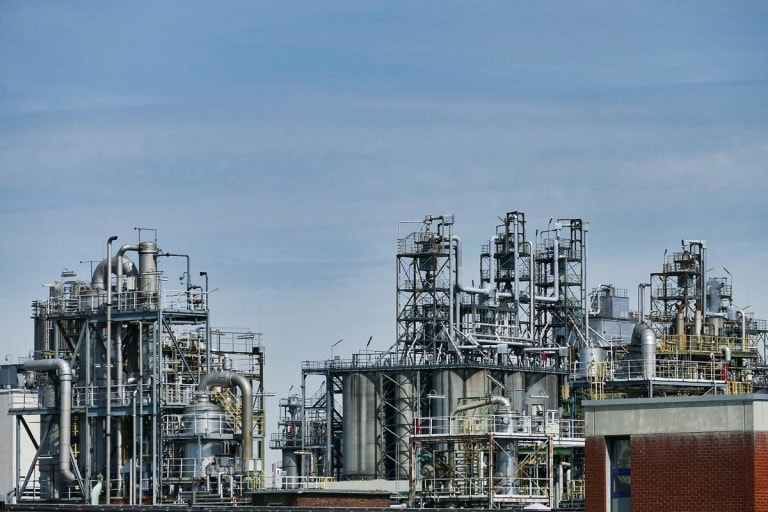
Petrobras‘ strategy of boosting production at domestic refineries, adopted since tensions began in the Middle East, has not been sufficient to meet Brazil’s entire demand. Compounding this is a significant disparity between the prices charged by the state-owned company and international market rates, which has deterred other importers.
Consequently, distributors have concentrated their orders with Petrobras, which, despite remaining the primary importer of S10 diesel, has shown volatile import volumes.
The company assures that import volumes for September and October align with demand and that other players, such as distributors and independent producers, complement the market. However, data indicates significant fluctuations in supplied volumes.
International Scenario Exacerbates the Situation
The substantial surge in crude oil barrel prices, which surpassed US$ 100 due to escalating tensions in the Middle East, directly impacts the fuel market. The global refining crisis has led to even steeper increases in refined product prices, outpacing the appreciation of crude oil itself.
An additional factor is the drastic reduction in Russian diesel imports, previously a more affordable option. Attacks on refineries in Russia have prompted the country to restrict its exports.
Last month, the volume of diesel imported from Russia was less than one-tenth of the amount recorded in August 2025, with the United States becoming the primary supplier of the product imported by Brazil.
Instability in the diesel market is not a problem exclusive to Brazil. Various countries are experiencing protests and fuel supply difficulties, highlighting a global crisis that impacts economies and the daily lives of populations worldwide.