José Eduardo Moreira takes over the presidency of CIBiogás with the mission to scale biomethane and expand markets in Brazil.
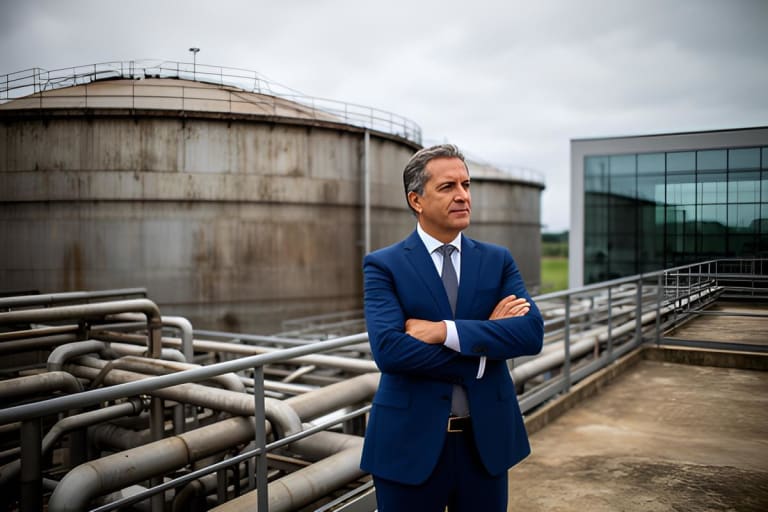
Leadership at the International Center for Renewable Energy – Biogas (CIBiogás) has changed hands with the election of José Eduardo Moreira, CEO of Necta Gás Natural, as Chairman of the Board of Directors.
His administration will focus primarily on the commercial expansion of biomethane, promoting integration between biogas and biomethane production, logistical infrastructure, and consumer markets.
This transition comes at a crucial moment, amid growing discussions about replacing fossil fuels with renewable alternatives, especially in the industrial and heavy transport sectors.
CIBiogás faces the challenge of converting the vast potential of biomethane production—derived from agricultural and industrial waste—into viable and competitive commercial projects.
Moreira, bringing extensive experience of over two decades in the energy, infrastructure, and gas sectors, steps in to drive this transformation.
His career includes leadership roles at renowned companies such as Comgás and Commit Gás, alongside his work at Necta and his previous experience as vice president of the Brazilian Cogeneration Energy Industry Association (COGEN).
Infrastructure as Key to Biomethane Growth
José Eduardo Moreira‘s strategy prioritizes a seamless connection between biomethane supply and demand. According to him, the expansion of projects is hindered by the need for adequate infrastructure.
Transport and distribution of the fuel are necessary, as is a stable regulatory environment that encourages investment.
José Eduardo Moreira stated:
Brazil has an extraordinary opportunity to transform its biogas and biomethane production potential into a true platform for economic development, energy security, and decarbonization. Our challenge now is to accelerate the connection between production, infrastructure, and consumption, creating the conditions for this market to gain scale, competitiveness, and a leading role in Brazil’s energy transition.
The use of existing natural gas distribution networks emerges as a promising solution to enable increased biomethane volumes in the market.
Initiatives to bring gas to inland regions and inject biomethane into local grids—such as those already being explored in northwestern São Paulo state—indicate a path toward integrating the new renewable source into established infrastructure.
Agribusiness Strengthens New Governance
The composition of the new Board also reflects a strategic rapprochement between the energy sector and agribusiness. The election of Ágide Eduardo Meneguette, president of the FAEP System (Agriculture Federation of the State of Paraná), as vice chairman of the board, underscores this synergy.
Sector integration is fundamental for biogas, given that agricultural waste is one of the primary sources for fuel production.
Connecting production units with gas infrastructure and final consumers expands the energy recovery of these wastes. The new structure also seeks to consolidate technical, industrial, and market expertise in the management of CIBiogás.
Felipe Marques, CEO of the institution, believes this leadership change marks a new era for the sector. He highlights the importance of leveraging the experience and market vision of the new board members.
Biomethane Targeting Industry and Heavy Transport
Biomethane presents itself as a viable substitute for fossil fuels in critical applications, such as heavy road transport and industry. The expansion of these markets depends on logistics, infrastructure, and competitiveness.
This agenda gains even greater relevance given the urgency of reducing dependence on fossil fuels in hard-to-abate sectors.
In heavy transport, biomethane can be used as a vehicular fuel, while in industry, it can replace natural gas and other fuels, depending on the specific needs of each process.
For the new chairman of the board, the focus must now shift from identifying potential to the effective execution of projects. Moreira emphasizes the need to connect producers and consumers across various regions of Brazil.
Board Agenda Focused on Market and Expansion
Over the next two-year term, the CIBiogás Board will concentrate its efforts on removing infrastructure bottlenecks and opening new markets for biomethane.
Heavy road transport, particularly as an alternative to diesel, is one of the prioritized segments.
The new governance also aims to strengthen the integration of the production chain—from agriculture and biogas generation, through upgrading to biomethane, to distribution networks and final consumers.
This initiative shifts the debate on biomethane to a stage where production capacity must be synchronized with pipeline and transport infrastructure.
Thus, scale, regulatory predictability, and proximity to consumers become decisive for the consolidation and expansion of this important renewable energy chain in the country.