
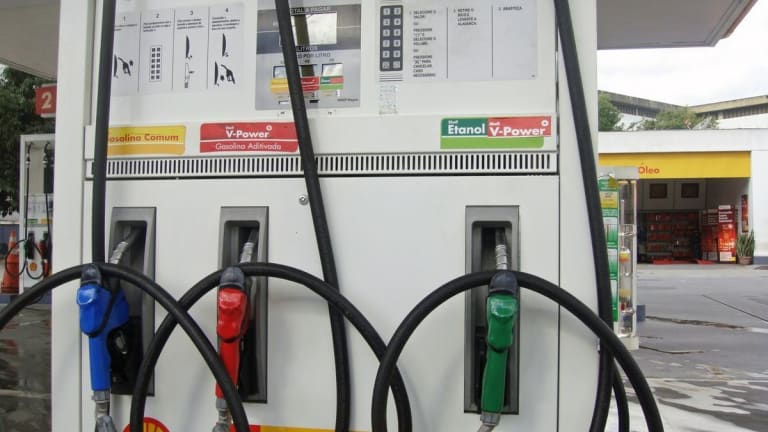
The Committee on Mines and Energy of the Chamber approved a bill that allows raising the ethanol content in gasoline to up to 35% and equalizes tax cuts among fuels.
Drivers of flex-fuel vehicles can soon see significant changes in fuel composition and prices at pumps across the country.
The Committee on Mines and Energy of the Chamber of Deputies gave its approval to PL 2300/25, a proposal that sets new guidelines to expand the presence of biofuel in the national territory.
The approved text requires the Executive Branch to set progressive targets so that the percentage of anhydrous ethanol blended with gasoline reaches the 35% ceiling.
New tax rules and sector incentives
In addition to changing the blend volume, the measure brings significant tax relief for everyday consumers of the renewable fuel.
An amendment inserted into the bill states that any federal tax reduction applied to gasoline must be passed on at the same percentage to ethanol.
The article also provides differentiated credit lines with subsidized interest, tax incentives for plant modernization, and priority in environmental licensing for sustainable projects.
Text adjustments and current scenario
The rapporteur, Deputy Rafael Fera, removed from the original text the passage that authorized direct sales of ethanol from plants to stations.
The legislator justified that the practice is already covered by existing law and regulated by the ANP, making the provision unnecessary in the new law.
Deputy Rafael Fera stated:
to enable consumers to pay a fair price for a more environmentally efficient fuel
During the report presentation, Rafael Fera defended the measure’s relevance for consumers and emphasized that biofuel made from sugarcane and corn has already proven its global competitiveness.
Impacts for consumers and agribusiness
Currently, the mandatory proportion of anhydrous ethanol in regular gasoline is set at 32%, per a recent determination by the CNPE.
Raising the target to 35% by law brings greater predictability for plants and rural producers, encouraging new investments in the sugar‑energy sector.
For drivers of flex vehicles, fiscal parity prevents hydrated ethanol from losing competitiveness whenever there are occasional tax breaks on fossil fuels.
Next Steps in Congress
Because it is being processed in a conclusive manner, the proposal will not need to go before the main floor of the House of Representatives, unless there is an appeal.
The text is now moving to detailed review in the Finance and Taxation Committee and then to the Constitution, Justice and Citizenship Committee.
After completing these steps in the lower house, the matter will still require approval by the Federal Senate to be signed into law and take effect.