
On the eve of COP31, experts say Brazil urgently needs to value avoided methane to meet climate commitments and unlock investment.
Waste management in Brazil faces a dilemma that goes far beyond municipal financial spreadsheets.
While sanitary landfills are still seen as the most practical solution for urban waste, the invisible cost of this model accumulates in the atmosphere: methane.
As the country prepares for COP31, scheduled for November this year in Antalya, Turkey, the challenge of mitigating this gas becomes a decisive test.
Despite joining the Global Methane Commitment in 2021 — which aims for a 30% reduction in emissions by 2030 — progress has been slow.
Recent reports from PNUMA indicate that current national plans are insufficient, achieving only a fraction of what is needed.
With methane responsible for 30% of global warming, Brazil is under pressure to turn promises into concrete action.
The bottleneck in waste management
Today, the waste sector is one of the major culprits of national emissions.
According to the Climate Observatory, the disposal of debris in landfills and dumps accounts for almost two-thirds of the sector’s CO₂ equivalent emissions.
Although the transition has been a step forward, the current model fails by ignoring the potential to transform these materials into energy assets.
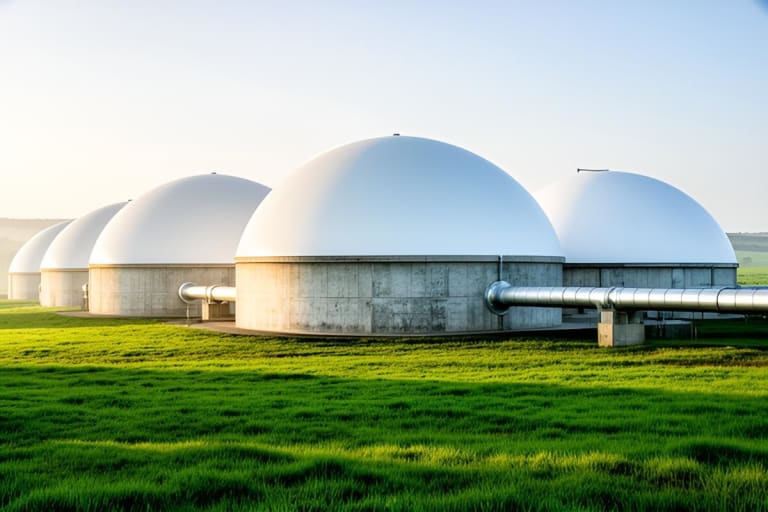
Technologies such as Waste-to-Energy Recovery show that electricity can be generated while drastically reducing gas emissions.
Projects like URE Barueri in Greater São Paulo illustrate the sector’s future.
However, the pace of implementation remains insufficient compared to the target set by the National Solid Waste Plan.
Experts point out:
None of this means putting energy recovery against recycling. The order of priorities must be respected, and the work of recyclers preserved.
Paths to economic viability
The main obstacle to expanding these plants is not the lack of goals, but the absence of an economic ecosystem that recognizes the environmental value of methane.
Experts advocate the implementation of financial instruments such as long‑term credits and emission pricing.
The legislative landscape is also gaining momentum with Bill 3,311/2025.
Known as the National Zero Methane Program, the project envisions certification of environmental benefits, integrating waste management with energy production.
The proposal moving through the Senate is seen as a crucial tool to provide legal backing for private investment.
Brazil’s success at COP31 will hinge on the government’s ability to integrate public policy, sanitation, and technology.
The country has already set ambitious emission‑reduction targets for 2035.
Now, the decisive step will be the recognition of methane in the national balance to cleanse the atmosphere and feed the power grid.