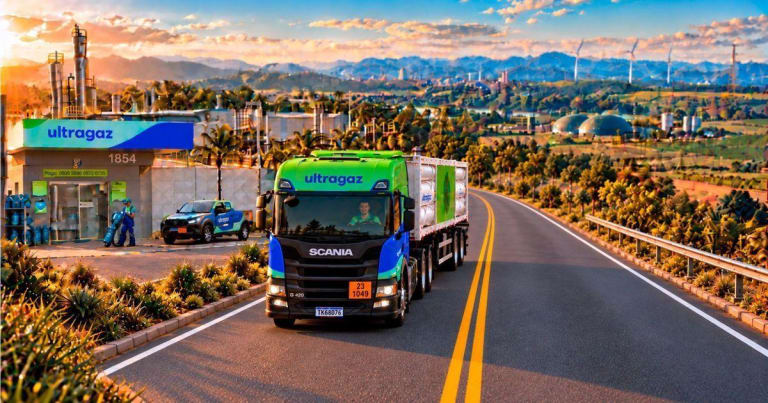
Brazil is emerging as a leader in the transition to a low-carbon economy, driven by the strategic efforts of the World Carbon Association in forums that bridge innovation and sustainability.
The global race toward a sustainable future has placed Brazil in a privileged position. The transition to a low-carbon economy has moved beyond environmental commitment to become an essential pillar of industrial competitiveness and national economic growth. In this transformative landscape, the World Carbon Association (WCA) has played a key role in connecting Brazil’s productive sector to international climate finance sources.
As a strategic partner for events hosted by Grupo FRG Mídias & Eventos, the association has stepped up its presence at key gatherings. Recently, Reginaldo Souza, president of the organization, participated in major milestones such as Fórum GD Sul and II SIMERCIS. These platforms have served as stages for debates on how to integrate new regulations, capital markets, and decarbonization goals into a unified, effective national agenda.
Regulation and the Future of Clean Energy
Current discussions are focused on critical instruments for the green economy, such as the Brazilian Greenhouse Gas Emissions Trading System (SBCE) and the recently approved Hydrogen Legal Framework. Implementing these guidelines is seen as the next major step toward ensuring that Brazil not only meets its sustainability targets but also becomes a global export hub for clean energy technology.
Leaders such as Gabriela Almeida, Ricardo Harduim, and Tiago Fraga consistently emphasize that the urgency of the climate agenda requires readiness from national companies. According to experts, adaptation goes beyond rhetoric:
Achieving net-zero emissions and pursuing high-standard international certifications are fundamental, unavoidable steps for the Brazilian private sector to maintain its relevance and competitiveness in the global arena.
Economic Impact and Outlook
The WCA’s engagement in Brazil signals a maturing market. By aligning local practices with global governance standards, the country is attracting investors focused on ESG (Environmental, Social, and Governance) criteria. With the consolidation of these policies, it is expected that Brazilian companies will be able to reduce operational costs, optimize processes, and gain access to more favorable credit lines aimed at sustainability projects.
The path to carbon neutrality is, therefore, a challenge that requires unity between government, the private sector, and international organizations. As the country advances in implementing its climate laws, collaboration with global entities will be decisive in turning decarbonization goals into a permanent competitive edge for Brazil in world trade.