
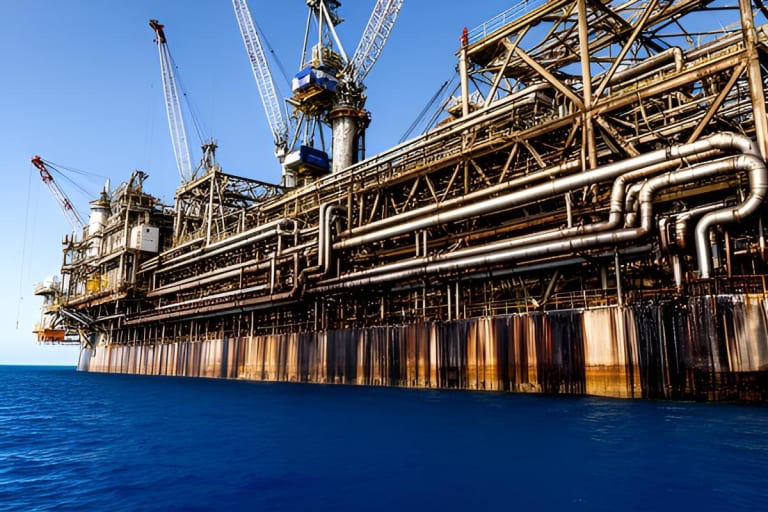
Brazil expands its offshore pre-salt oil extraction, yet the growing reliance on imported refined products exposes a strategic vulnerability that demands urgent investment in the national refining sector.
The recent round of auctions by the ANP for pre-salt blocks, held in October, underscored Brazil’s strength as an extractive power. However, the commercial success in selling exploration blocks reveals a troubling dichotomy: while the country is breaking extraction records, its industrial capacity to convert that oil into useful fuels remains stagnant. This gap has turned Brazil into a raw material exporter and a costly importer of refined products.
For experts such as Evaristo Pinheiro, president of Refina Brasil, the current situation is unsustainable. With oil production reaching 4.5 million barrels per day, the national refining system—comprising only 17 facilities—fails to meet domestic demand, forcing the country to turn to the external market to supply nearly a third of its diesel and gasoline consumption.
The risk of external dependence
Brazil’s vulnerability is heightened by a volatile geopolitical landscape. Today, fuel supplies heavily depend on sources such as Russia and the United States. Climate disruptions, tensions on maritime routes, or bottlenecks at refineries in those countries directly affect pump prices and the availability of cargo for Brazilian agribusiness and industry.
The mismatch between extraction and processing capacity turns refining into a critical pillar for national security. Unlike India or China, which import crude oil to process domestically, Brazil misses the opportunity to add value to its production, leaving the economy exposed to currency swings and international refining premiums.
Energy security requires more than oil reserves: it depends on the ability to produce, refine, store, and distribute fuels consistently.
Paths to Energy Autonomy
Decentralizing refining is seen as the key to mitigating these risks. Currently, about 59% of installed capacity is concentrated in the Southeast, while regions such as the North and Midwest suffer from a lack of infrastructure. Investing in smaller, regional units—like those operated by affiliates of Refina Brasil—would reduce logistical costs and ensure supply in strategic areas.
The financial challenge is substantial, with estimates pointing to a need for R$ 130 billion in investment over the next decade. To make this amount feasible, the sector calls for a stable legal environment and competitive neutrality. Modernizing the industrial park, while ensuring sovereignty, must align with energy transition goals, integrating operational efficiency with the production of lower‑impact fuels.
The success of the pre‑shelf should not be measured only by signing bonuses and royalties collected, but by the country’s ability to convert that resource into industrial development. Without a robust refining policy, Brazil will remain a giant underground and a hostage in international derivative markets, underscoring the urgency of turning oil into real security for society.