Braskem is making significant progress on its ESG agenda, having reached over 66% of its greenhouse gas emission reduction target set for 2030.
The transition to a low-carbon economy has gained traction in the Brazilian petrochemical sector. Braskem, a global leader in the production of thermoplastic resins, has reported a significant milestone in its environmental strategy: the company has already achieved two-thirds of its commitment to reduce its absolute greenhouse gas (GHG) emissions by 15% by the end of this decade.
The success of this trajectory is linked to a robust Industrial Decarbonization Program, structured in 2021. The initiative focuses on integrating sustainability into the business model, proving that it is possible to reconcile energy efficiency and climate protection with the necessary industrial competitiveness. Currently, the implemented projects prevent the release of more than 1.2 million tons of CO₂ equivalent into the atmosphere annually.
The Strategy Behind the Results
The organization’s strategy is based on pillars such as process electrification and the diversification of the plants’ energy matrix. According to the company’s energy director, Gustavo Checcucci, these advances demonstrate that the goals are not just theoretical plans, but ongoing operational realities.
Decarbonization is already underway in our operations, with continuous improvement projects that deliver environmental and economic value.
This movement reflects a consolidated trend among major industries, which seek to harmonize energy security with ambitious carbon reduction goals, responding to investor and consumer demands for more sustainable practices.
Key Technologies and Projects
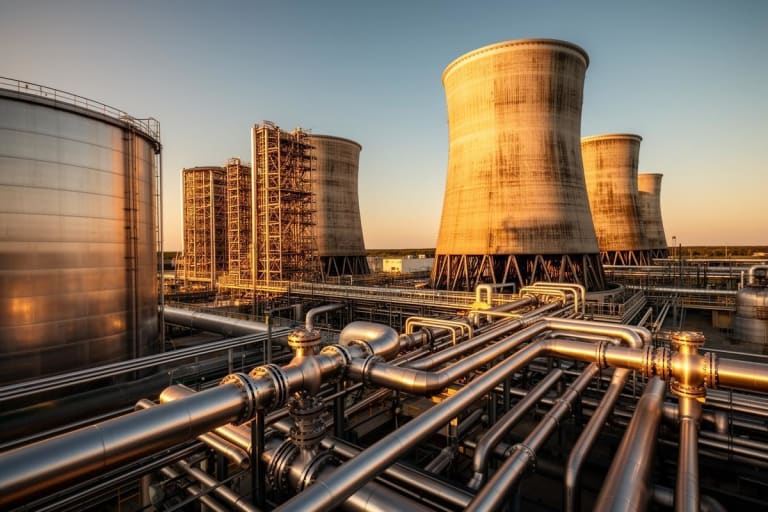
To achieve these levels, Braskem has invested in a diversified portfolio of technological solutions spread across several units in Brazil. Among the most prominent examples is Project Vesta, located in ABC Paulista, which symbolizes technical modernization toward a cleaner model.
Additionally, the company has diversified its use of energy sources. In Paulínia, the installation of an electric boiler represents a significant step in electrification. At the Triunfo Petrochemical Complex, the use of biomethane is gaining ground, while in Marechal Deodoro, Alagoas, the energy transition strategy involves replacing fossil natural gas with biomass, reinforcing the commitment to the circular economy and the reduction of fossil inputs.
Outlook for a Sustainable Future
Achieving over 66% of the goal reinforces the company’s confidence in reaching its carbon neutrality objectives. The continuity of these projects not only mitigates environmental impacts but also positions the company advantageously within the clean energy value chain.
The focus in the coming years will be the scalability of these technologies and the search for new renewable sources. With a clear path outlined until 2030, Braskem continues to be a benchmark for how large industrial complexes can reinvent themselves in the face of the challenge of global sustainability.