
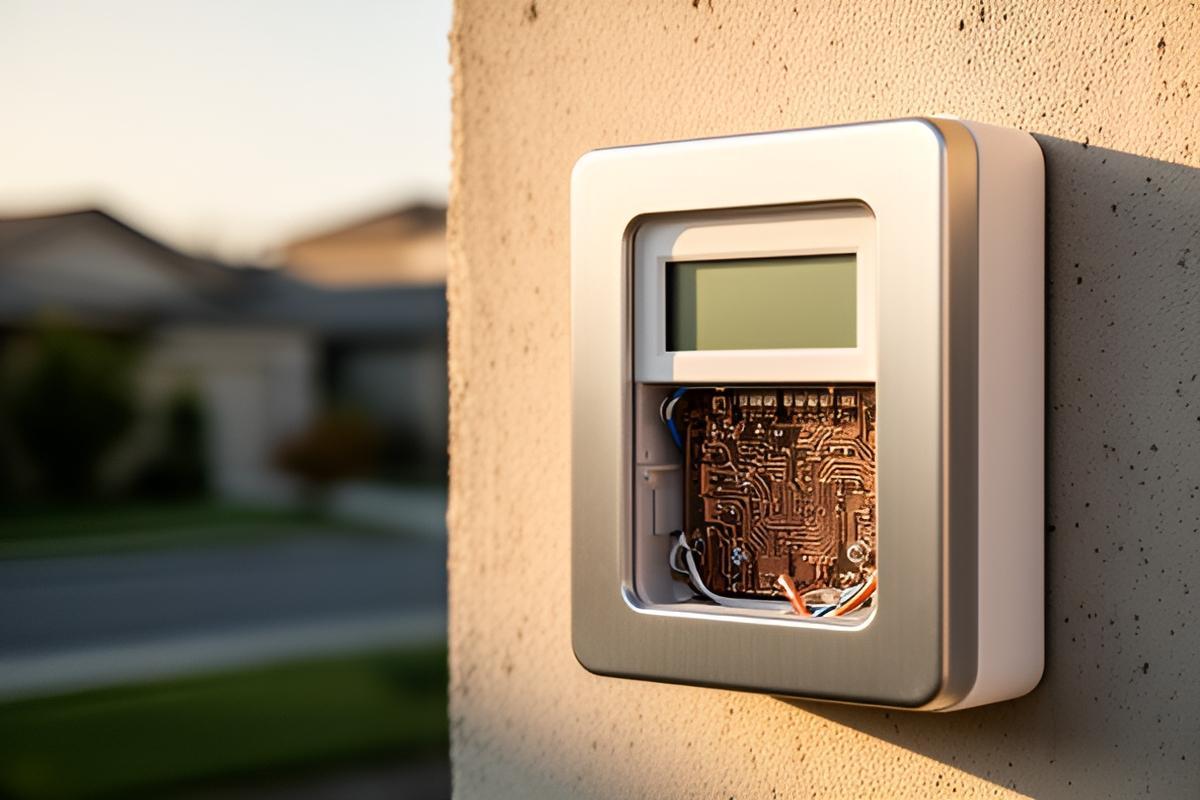
Aneel is preparing a new regulatory framework to accelerate the adoption of smart meters in Brazil, aiming to modernize the electric sector before the full opening of the free market.
The transformation of Brazil’s electric sector will gain an important chapter still this November. The National Electric Energy Agency (Aneel) is working to formalize a set of requirements aimed at encouraging large-scale implementation of smart meters across the country. The measure was announced by the agency’s director‑general, Sandoval Feitosa, during Coniben 2026, held in Lisbon.
Currently, Brazil faces a significant technological bottleneck: less than 1% of the 95 million consumers connected to the system have these advanced devices. The regulator’s initiative seeks to reverse this situation, preparing distribution companies’ infrastructure for the challenges of the energy transition and the growing digitalization of consumption.
An essential step toward market liberalization
The urgency for this modernization is directly linked to the electric sector’s opening schedule. Starting in 2027, the free market for energy will be available to low‑voltage consumers, first for the commercial and industrial segment, and later for other consumption profiles in 2028. Without smart metering technology, managing this new reality would be operationally unfeasible.
These devices not only record real‑time consumption but also enable differentiated time‑of‑use tariffs and much more efficient load management. As Sandoval Feitosa highlighted:
Aneel will also need to approve, by the end of the month, a set of requirements that will encourage the installation of smart meters.
Efficiency and the future of the electric sector
Aneel’s strategy, developed in dialogue with the Ministry of Mines and Energy (MME), aims to reduce the need for massive investments in traditional grid assets. By promoting the so‑called “demand response” and the use of variable tariffs, the agency expects to optimize the use of existing infrastructure, avoiding unnecessary expenses that could burden electricity bills for decades.
The impact of this modernization is broad and touches on strategic pillars: automation, integration of distributed energy resources, and the creation of a range of digital services for the end consumer. The expectation is that, with clear rule definitions, distributors will have the necessary regulatory support to accelerate the replacement of obsolete meters, paving the way for a more flexible, competitive system aligned with the technological demands of the coming years.