Aneel approved the revocation of solar permits in Piauí due to grid bottlenecks, while authorizing the commercial operation of Raízen plants in São Paulo.
The electric transmission infrastructure in Brazil has returned to the spotlight after recent decisions by the National Electricity Agency (Aneel). The regulator endorsed measures that highlight the mismatch between the pace of new projects and the actual capacity of the national system to absorb them.
On one hand, large photovoltaic developments planned for the Northeast region saw their concessions cancelled amid saturation of regional lines. On the other, the consumer market in the Southeast gains reinforcement from new thermal and solar assets authorized for operation.
The scenario reflects the complex challenges faced by investors in the productive sector, who contend with logistical hurdles and growing operational restrictions that make it difficult to justify their financial commitments to clean energy.
Transmission bottlenecks make projects in Piauí unfeasible
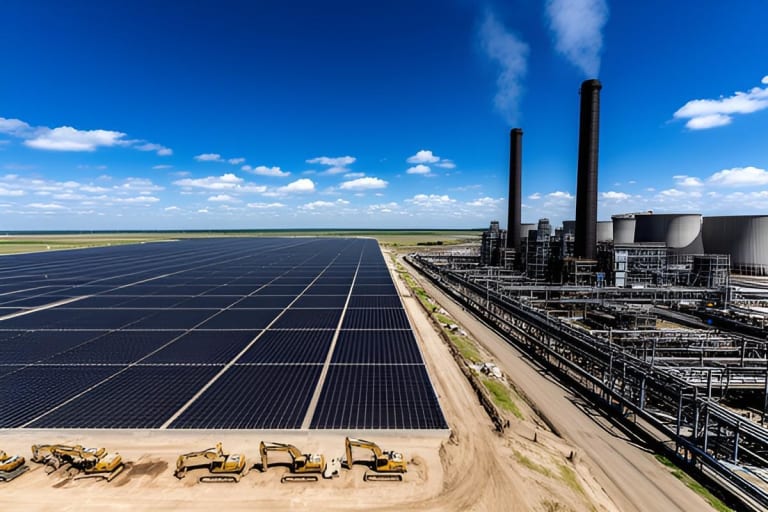
In the municipality of Parnaguá, located in southern Piauí, technical infeasibility directly impacted the planning of Mangaba Energia. The Aneel board formally approved the revocation of authorizations for the photovoltaic plants Riacho da Serra 9 and Riacho da Serra 10.
The two projects had a combined installed capacity of 45.836 MW. Originally granted in March 2023, the permits anticipated commercial operation of the plants by September 2027.
However, the company formally requested cancellation after realizing that the degradation of conditions in the regional transmission network made the projects financially and technically unviable. The lack of margin for transporting the produced energy in the short and medium term proved decisive.
According to the technical justification presented by the contractor to the regulator:
blockquote>
“The saturation of local substations and transmission lines made it impossible to secure access conditions compatible with the timelines and costs projected for the plants’ implementation.”
Adding to that, the high levels of curtailment—the forced shutdown or cutback of solar generation—critically weighed on the decision. The restrictions imposed by the National Electric System Operator (ONS) reduced revenue predictability, making the assets unsustainable.
Operational progress of thermal and solar plants in São Paulo
In contrast to the revocations recorded in the Northeast, the state of São Paulo received a green light from Aneel for the commercial operation of new generating units. The approvals cover biomass and on‑site photovoltaic projects.
The main highlight was the authorization to start operations of the 27 MW generating unit UG9, owned by the Vale do Rosário thermal plant. The asset is managed by the Raízen group and is located in the municipality of Morro Agudo.
The release strengthens base‑load power supply in inland São Paulo, leveraging the established infrastructure of the sugar‑energy sector to inject electricity directly into one of the country’s highest‑demand regions.
In addition to Raízen’s thermal plant, the regulator also approved commercial operation of units UG1 and UG2 of the UFV EB Bombas e Equipamentos solar project, located in the city of Piracicaba.
Although the Piracicaba plant is smaller, with 0.185 MW of installed capacity, the authorization signals the dynamism of distributed generation in the Southeast, where proximity to consumption centers reduces the risks associated with energy flow.
Impacts and outlook for the electric sector
The duality between project cancellations in Piauí and the advancement of plants in São Paulo underscores the urgency of accelerating transmission auctions across Brazil. The growth of renewable generation in the Northeast continues to outpace the expansion of power lines.
While the grid fails to absorb the potential of northern clean sources, bottlenecks and restrictions imposed by the ONS will keep pressuring companies to abandon already granted permits, redirecting investments to regions with more established transmission infrastructure.