

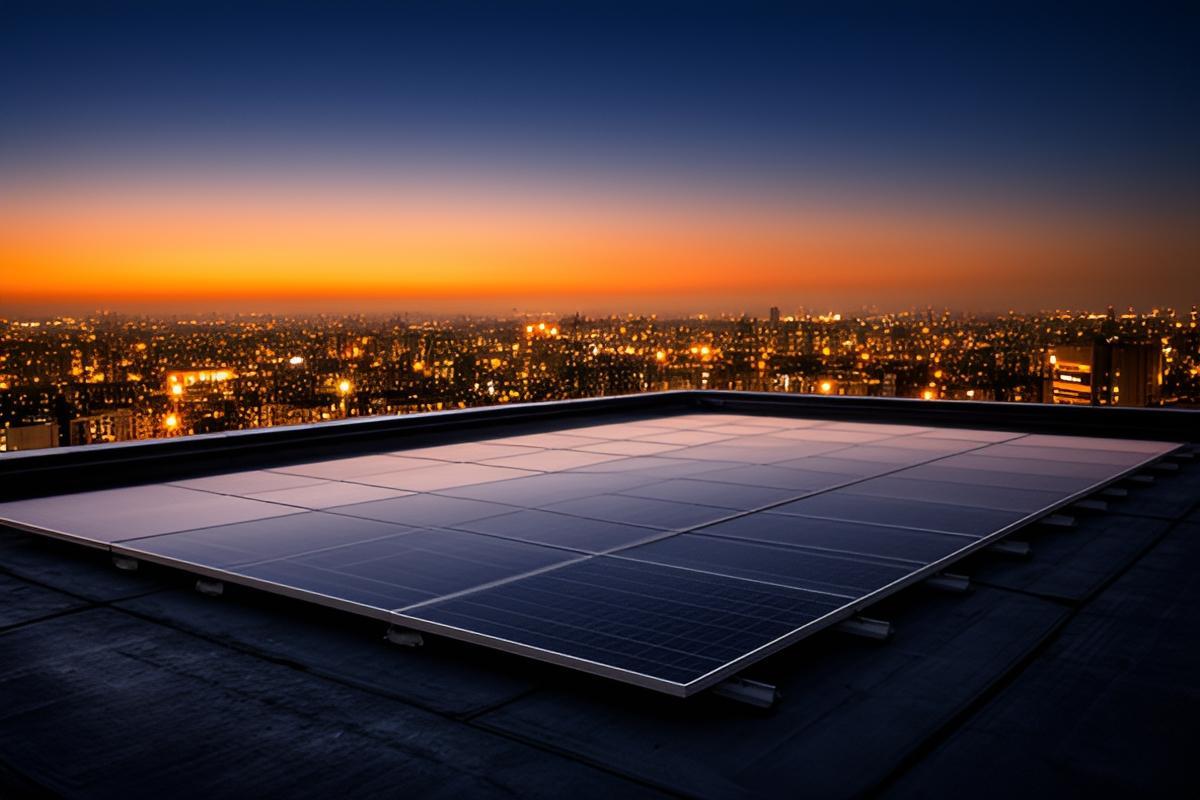
The Federal Public Prosecutor’s Office (MPF) has taken the Aneel to court against Cemig for limiting nighttime solar energy injection, threatening a R$ 5.99 million project at UFTM.
The fate of a promising solar energy project at the Federal University of Triângulo Mineiro (UFTM) is at stake after Cemig Distribution imposed restrictions on the injection of surplus energy.
The measure, which limits the delivery of energy to the grid during the nighttime hours, from 7 p.m. to 5 a.m., was challenged by the Federal Public Prosecutor’s Office (MPF), which sought intervention from the National Electric Energy Agency (Aneel).
The main concern lies in the potential financial impact and the viability of the venture, which has R$ 5.99 million in federal funding.
The core of the issue revolves around the interpretation and application of connection rules. According to the MPF, Cemig classified the UFTM solar plant as equipped with battery storage, a feature that does not align with the project presented by the university.
This alleged mischaracterization would have led to the imposition of a time restriction, preventing full utilization of the energy generated during the day.
A Project with Economic and Environmental Potential
The UFTM solar plant is not just an isolated venture; it is part of a larger energy conservation initiative.
The project was selected in a public call from the National Program for Electrical Energy Conservation (Procel), carried out by the Brazilian Company for Nuclear and Binational Energy Participation (ENBPar).
The ambitious proposal includes the installation of a 620 kWp photovoltaic plant, comprising 886 solar modules, as well as the modernization of the campus’s HVAC and lighting systems.
The expected economic impact is significant. It is estimated that the initiative could provide an annual savings of up to R$ 865 thousand, with a reduction in grid energy consumption of up to 91.3 %.
Over 25 years, the cumulative economic benefit is projected at R$ 18 million. The UFTM plant stood out nationally, achieving 29th place in the country and 10th in the Southeast region in the program’s selection, which offers fully subsidized federal financing.
The Implications of Nighttime Restrictions
The limitation imposed by Cemig on solar power injection exclusively during the nighttime has serious consequences for the project’s profitability and goal attainment.
A technical simulation, based on measurements from the distributor itself, indicates that this restriction would render about 47% of daytime solar generation unusable.
Consequently, the amount of energy purchased from the grid would drop sharply, from 91.3% to 58.7%, a figure below the 90% minimum required by the ENBPar tender.
The projected annual savings would also take a hard hit, falling from R$ 745,000 to R$ 497,000.
The MPF argues that a continuous daytime injection limit of 230 kW would be sufficient to meet the tender’s targets, a margin that would allow excess energy to be exported after the campus’s instantaneous consumption.
The MPF Questions Cemig’s Analysis
Faced with the situation, the MPF challenged the technical analysis conducted by Cemig. In its defense, the distributor cited the possibility of power flow reversal and restrictions identified by the National System Operator (ONS) on the transmission network.
However, the MPF believes that this justification did not provide concrete evidence of daytime export capacity at the UFTM connection point, nor did it evaluate alternative or intermediate injection limits.
Another point of friction is the lack of a formal document from Cemig consolidating the access conditions that were included in the connection budget.
For this reason, the MPF urgently requested that Aneel examine Cemig’s conduct in detail and adopt the necessary regulatory and supervisory measures to resolve the impasse.
Among the requests are the assessment of intermediate injection limits, such as 230 kW continuous or a range between 250 kW and 331 kW, and the issuance of a formal document confirming the recognized access conditions.
The MPF also asked Aneel to coordinate with ENBPar to clarify any documentary requirements that condition the project’s contract, if necessary. Aneel has ten days to provide information on the results of its analysis and the actions taken.
Impact and Next Steps
The decision by Aneel will directly affect the continuity and success of distributed generation projects at federal educational institutions, especially regarding regulatory clarity and the speed of connection processes.
The role of the MPF underscores the importance of oversight and ensuring that renewable energy incentive policies are effectively implemented, without bureaucratic hurdles or restrictive interpretations that could jeopardize public investments and environmental and economic benefits.
The expectation is that the regulatory agency will mediate the dispute, seeking a technical and legal solution that allows UFTM to fully benefit from its solar plant and achieve the proposed savings and sustainability goals.