Alupar and AXIA Energia close strategic deal to end cross‑ownership in power transmission companies in Brazil’s North and Northeast, moving millions.
The Brazilian electric power market is undergoing a significant corporate restructuring involving two industry giants. The companies Alupar and AXIA Energia have signed definitive agreements to eliminate their cross‑ownership stakes in key assets located in the North and Northeast regions of the country.
The transaction reorganizes the shareholding of two major transmission firms. The arrangement calls for a cross‑divestiture, resulting in each asset being fully consolidated under a single operator, thereby enhancing operational synergy for the involved companies.
Consolidation in Roraima
Under the agreed contractual terms, AXIA Energia will acquire the entire minority stake held by Alupar. This will give it full control of TNE (Transnorte Energia), a key player in the flow of electricity in the Amazon region.
TNE is the concessionaire responsible for the monumental transmission line that finally connected the state of Roraima to the SIN (National Interconnected System), ending the region’s long‑standing energy isolation and providing supply security.
Infrastructure Details
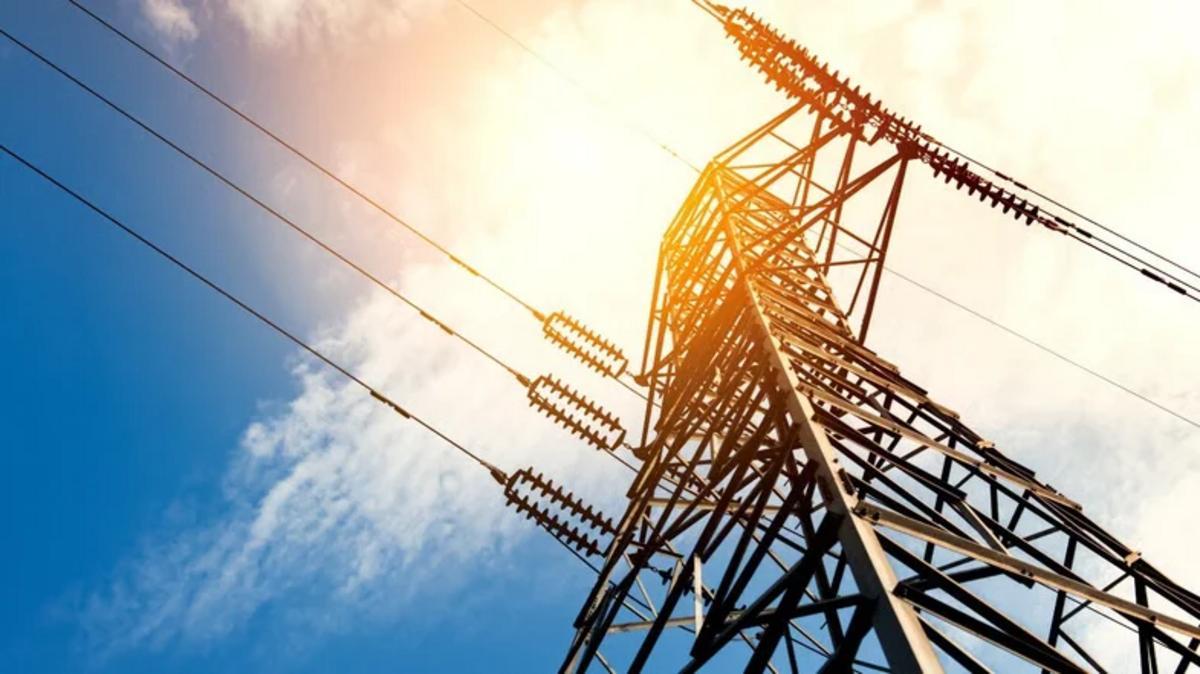
The project led by AXIA Energia spans roughly 724 kilometers of 500 kV high‑voltage lines. The mega‑structure links the state of Amazonas to Roraima, passing through strategic points such as the substation in Rorainópolis.
The project required financial contributions estimated at R$ 3.3 billion. Commercial operations began recently, delivering significant environmental benefits, including a substantial annual reduction in pollutant emissions from local thermal plants.
AXIA’s View
AXIA Energia’s president, Ivan Monteiro, emphasized that the deal reflects the company’s financial discipline. The top priority was to consolidate Roraima’s energy sovereignty and simplify its long‑term portfolio.
Ivan Monteiro stated:
Since the capitalization, AXIA Energia has prioritized investment in TNE. We understand that integrating the last state outside the National Interconnected System was essential for the country and strategic for our business. With an investment of about R$ 3.3 billion, Roraima became part of the System. With this agreement, we will hold 100% of a long‑term asset and take another step in disciplined capital allocation, concentrating investments where we can create the most value.
Alupar’s Bet on the Northeast
In return, Alupar will assume full ownership of STN (Sistema de Transmissão Nordeste), taking over the share that belonged to the partner. The company already held the majority stake and now centralizes total control of the business.
STN has been operating since the mid‑2010s, managing strategic segments of 500 kV lines that connect the states of Piauí and Ceará, totaling hundreds of kilometers of energized cable.
Alupar Statement
Alupar’s Chief Financial Officer and Investor Relations Officer, Luiz Coimbra, marked the completion of the restructuring, highlighting the synergy with the company’s history in the northern project and the focus on profitability.
Luiz Coimbra said:
We now hold 100% of a transmission company that we know deeply and that has been under our management from the start. We closed our participation in TNE with pride in having been part of, since the auction, the project that changed Roraima’s reality. This operation demonstrates our discipline in allocating resources to what generates the most return for the company and our shareholders.
Values and Next Steps
To balance the financial value of the assets exchanged in the transaction, the agreement stipulates a payment of a turn‑over of R$ 367 million in favor of Alupar, an amount that may still receive customary adjustments.
For the tariff cycle of 2026‑2027, the projected Annual Allowed Revenue is robust, totaling R$ 588 million for TNE and R$ 170 million for STN. Full execution of the deal awaits regulatory approval.
The final consummation of the transaction remains strictly contingent upon the fulfillment of customary precedent conditions for corporate transactions of this magnitude in the electric sector, including the final approval of the relevant federal regulatory authorities.