The quest for a more efficient and equitable electrical system enters a new chapter with the proposal of an hourly tariff for distributed generation. The concept, advocated by the Brazilian Association of Electric Power Distributors (Abradee), aims to optimize grid utilization and mitigate overloads.
The Brazilian electricity sector is in a constant state of debate regarding how to balance costs and ensure the sustainability of the system. One of the most recent proposals, coming from the Brazilian Association of Electric Power Distributors (Abradee), suggests the implementation of an hourly tariff for energy generated and consumed under the distributed generation (DG) model.
The primary goal is to encourage more intelligent use of existing infrastructure and relieve pressure on the grid. Ricardo Brandão, Regulation Director at Abradee, explained the logic behind the suggestion.
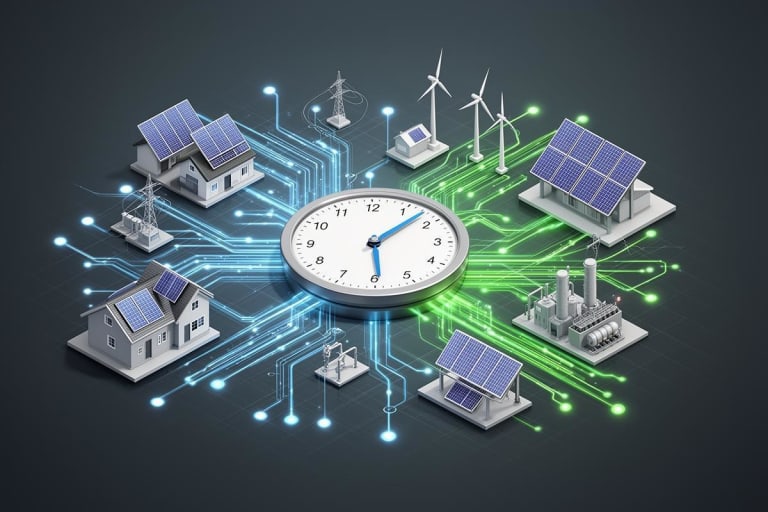
According to him, the current pattern of energy injection and withdrawal by DG systems often does not coincide with the times of greatest need for the power system. The proposal is specifically designed to align consumer behavior with grid dynamics through price signals that reflect the actual cost of energy at different times of the day.
Tariff modernization under debate
The core idea is to modernize tariffs, which would begin to differentiate the value of energy injected into or pulled from the grid based on the time of day. Ricardo Brandão highlighted:
It is necessary to modernize tariffs to include hourly signals and differentiate the cost of energy injected or pulled from the grid depending on when it occurs.
He believes this measure would bring more equity to the valuation of grid usage by DG participants. The discussion gained traction during a workshop on electrification, which brought together experts to debate the impact of subsidies on energy tariffs.
Guilherme Zanetti, a representative from the Ministry of Mines and Energy (MME), corroborated the need for clear, distortion-free price signals to guide consumer decision-making. Paula Valenzuela, Technical Director at PSR, added that despite Brazil‘s renewable energy matrix, electricity tariffs remain high.
She emphasized that the power grid requires significant investment, which could further drive up costs. For Valenzuela, optimizing current infrastructure, combined with more centralized planning and the use of available technologies, is essential.
Focus on resilience and competitiveness
The need for more resilient power grids and generation in the face of extreme weather events was also raised. Defining who will bear the costs of adapting and strengthening the infrastructure remains an open challenge.
Zanetti, from the MME, mentioned obstacles in grid expansion, often linked to uncertainty regarding the granting of large loads. Abradee projects substantial investments in grid improvements, totaling around R$ 260 billion between 2026 and 2030.
However, the association is concerned about how these investments will impact tariffs and the country’s competitiveness. Brandão warned about the limits of consumers’ ability to pay and the impact of high tariffs on the competitiveness of domestic industry.
Adopting an hourly tariff for DG is seen as an important step toward building a more robust, fair, and competitive electrical system, aligning the interests of consumers, distributors, and the system as a whole.