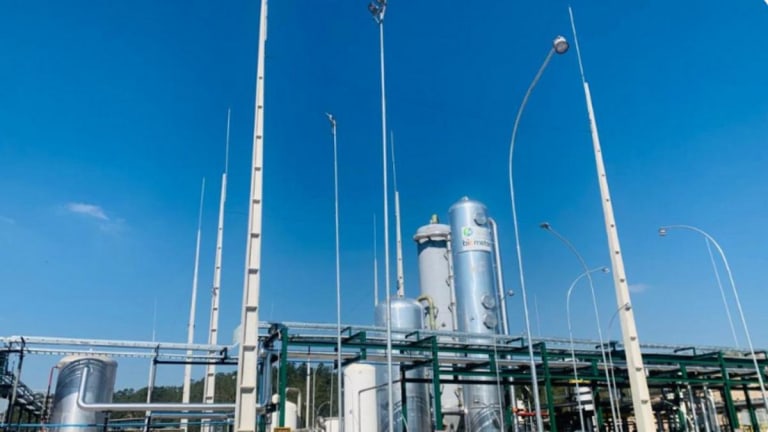
The biomethane market in Brazil is recording a historic high in 2026, driven by new plants and regulatory progress focused on the energy transition and industrial decarbonization.
The Brazilian energy matrix is undergoing a profound transformation with the significant expansion of renewable fuels. From January to October 2026, the production volume surpassed previous records, highlighting the strategic potential of green gas for the national economy.
Data consolidated by the National Agency of Petroleum, Natural Gas and Biofuels reveal a substantial jump in the national supply. This scenario reflects robust investments in sustainable technology and the efficient use of organic waste across various regions of the country.
Historic Record in Supply
The cumulative volume in the first ten months reached unprecedented levels, comfortably exceeding the consolidated result of the previous cycle. October alone set the highest monthly figure since the start of the statistical series.
States such as Sao Paulo, Rio Grande do Sul and Pernambuco led this expansion. Units operated by sector companies dramatically increased delivery capacity, turning urban waste into clean energy for the market.
Challenges for the 2027 Target
The current daily average already surpasses the level required by the National Energy Policy Council for the current year. However, future guidelines demand an even faster pace of industrial expansion.
The Ministry of Mines and Energy is studying raising the decarbonization requirement for the next period.
To reach the new level, national production will need to show a significant increase over current average volumes.
Although the capacity authorized by regulatory authorities is sufficient, converting that potential into actual commercialized volume still requires operational and logistical adjustments by companies.
The Role of Certificates
Commercialization and environmental verification directly depend on the so‑called Biomethane Origin Guarantee Certificates. Several plants have already received regulatory approval but are awaiting the definitive activation of the official digital issuance platform.
This technological hurdle led to adjustments in the schedule for enforcing legal obligations. The established targets will be monitored proportionally, unifying deadlines and requirements for the next regulatory cycle of the sector.