

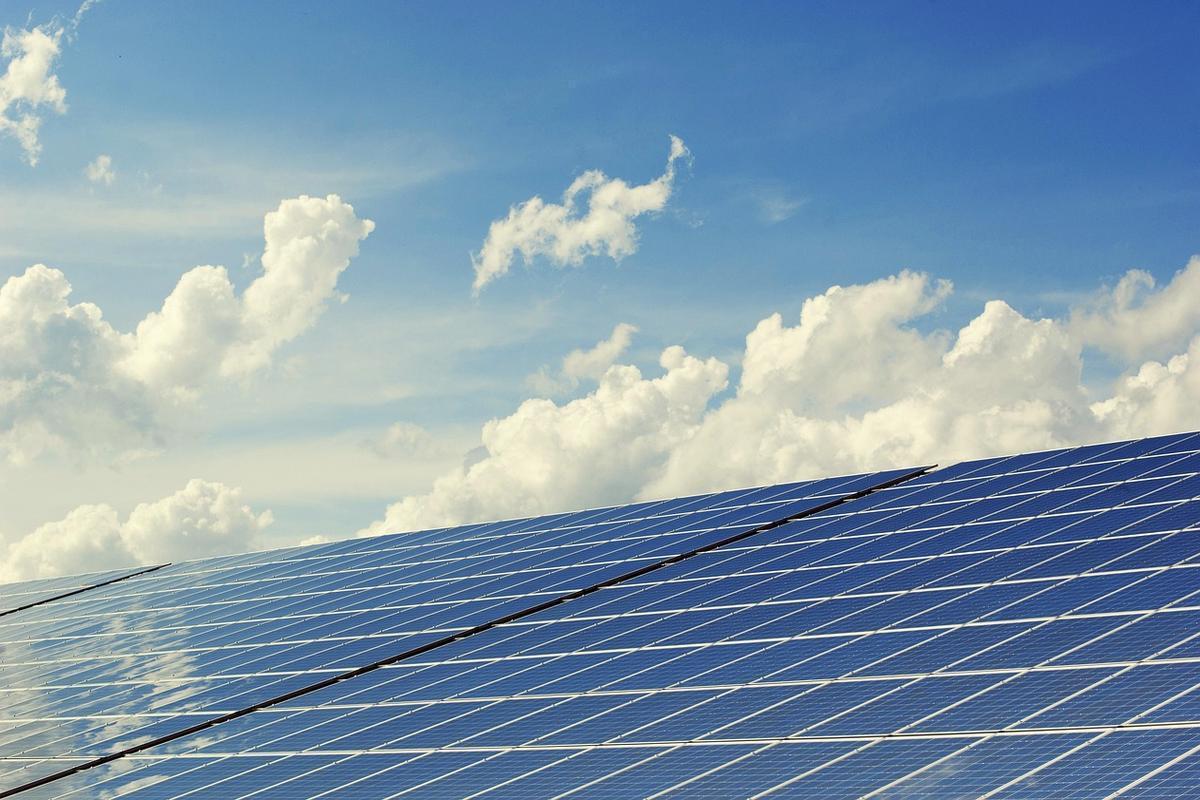
The National Electric Energy Agency granted corporate requests and revoked permits for dozens of photovoltaic and thermal power plants, eliminating nearly 1.7 GW of planned capacity due to structural and economic bottlenecks.
The Aneel officially announced the cancellation of authorizations for dozens of clean and thermal energy generation projects in the country. The measure responds to direct requests from the companies holding the projects, which identified insurmountable barriers to the realization of the works in various regions of Brazil.
In total, the decision affects 74 productive parks, comprising 72 solar units and two biomass plants. Together, these structures represented a potential addition of 1.69 gigawatts to the national energy mix, now discarded in light of the new scenario faced by investors in the electric sector.
Transmission Bottlenecks Douse Solar Projects
The main factor that prompted entrepreneurs to abandon their ventures was the lack of capacity on electricity transmission networks. Several companies reported that the available connection points simply could not support the load generated by the new photovoltaic parks.
In Mato Grosso, projects planned for the Cuiabá region were abandoned because ONS data indicated zero technical margin at local substations. The flow restriction eliminated any possibility of grid integration within the projected operation horizons.
A similar situation occurred in Piauí and Ceará, where entire solar complexes lost their purpose. The responsible companies highlighted that the lack of adequate flow infrastructure made it impossible to market the energy on the free market.
Despite the efforts made for its implementation, the lack of flow margin and the significant increase in generation cuts made the business unsustainable.
Regulatory Impacts Affect Thermal Plants
In addition to photovoltaic plants, the revocation package also hit biomass thermal plants in the state of São Paulo. Recent changes to the legal framework of the electric sector have profoundly altered the financial projections of the entrepreneurs.
The change in discount rules for the use of transmission and distribution systems directly impacted the potential customer base. With the contraction of the consumer market interested in moving to the free contracting environment, projects lost financial attractiveness.
The changes in the macroeconomic and regulatory landscape made implementation excessively costly and unfeasible in light of the new reality of the free energy market.
The retreat in expanding installed capacity highlights the structural challenges the electric system faces in absorbing new sources without compromising operational safety. The scenario demands intensified planning to balance generation expansion with the necessary investments in network infrastructure.