The inauguration of a photovoltaic plant by UFF in Iguaba Grande marks a R$10 million investment in renewable energy, academic research, and sustainability in Rio de Janeiro.
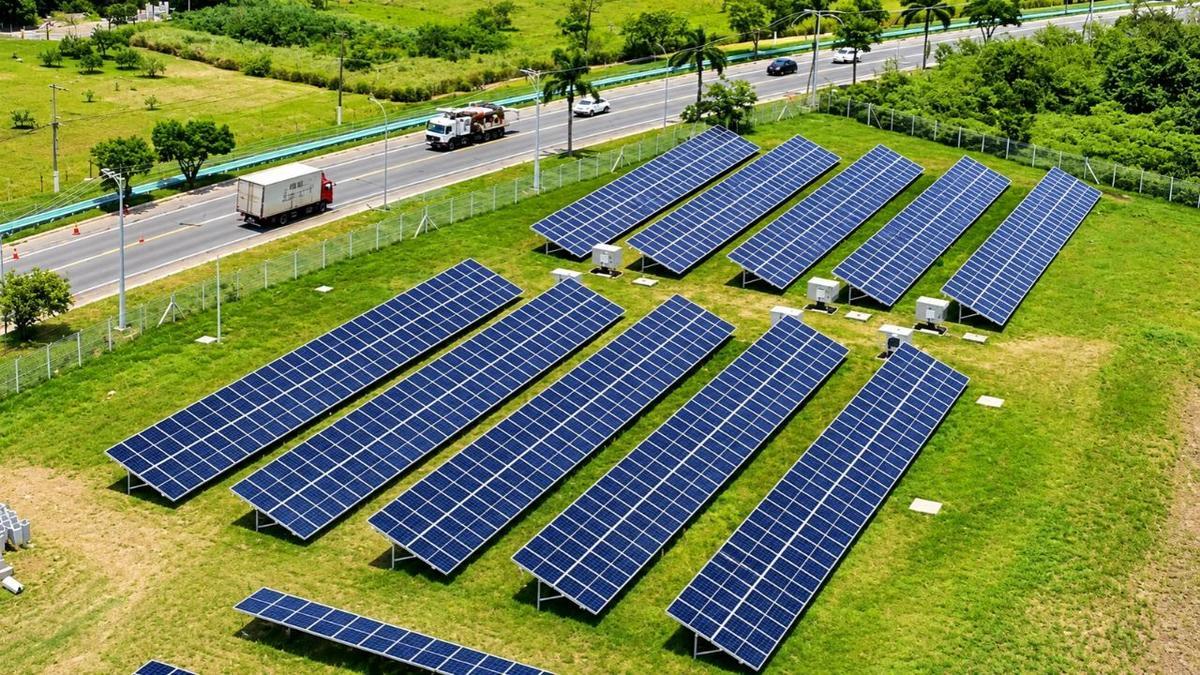
The Federal Fluminense University has taken a decisive step toward the energy transition in the state of Rio de Janeiro. A modern solar capture facility was inaugurated in Iguaba Grande, located in the Lagos Region.
The project received substantial financial contributions amounting to R$10 million. The initiative combines practical clean electricity production with the advancement of scientific studies focused on the national photovoltaic sector.
Technical expectations point to an annual generation estimated between 1.4 million and 1.5 million kilowatt-hours. This volume is perfectly capable of supplying the average monthly consumption of approximately 400 typical households.
Funding and Strategic Partnerships
The financial resources applied to the project were enabled by the Foundation for Research Support of the State of Rio de Janeiro. The project also has a direct partnership with the State Secretariat for Science, Technology and Innovation.
The local municipal administration provided essential support for the realization of the infrastructure. The union of state government, academia, and city hall strengthens the technological innovation ecosystem in the Fluminense region.
The energy complex will function simultaneously as a commercial plant and as a living laboratory of tests. Overall coordination of the scientific activities is under the responsibility of Professor Daniel Henrique Nogueira Dias.
Applied Research and Technological Innovation
The faculty and students of the Federal Fluminense University will have access to real operational data. Specialists from fields such as Electrical Engineering, Civil Engineering, and Telecommunications will participate in daily analyses.
Field experiments will allow mapping of operational failures, maintenance costs, and efficiency variations. The knowledge produced in Iguaba Grande could contribute to the assessment of technologies with potential use in other Fluminense locations, highlighted Antonio Claudio Lucas da Nóbrega.
The initiative is part of the UFV Iguaba program, focused on fostering open solutions for the solar market. Continuous performance evaluation of the equipment ensures significant progress toward Brazil’s energy transition.
Social Impact and Environmental Education
The social aspect of the project plans to allocate a portion of the clean energy generated to families in vulnerability. This distribution will occur through regulated mechanisms integrated into the region’s public policies.
Public school students will also be granted guided visits to the site. The initiative aims to strengthen environmental education and bring modern science closer to young people in the Lagoon Region.
The new laboratory opens opportunities for developing technology solutions that benefit society, while expanding the university’s role in teaching, research, and outreach, said Fábio Passos, interim rector.
Location and Ecological Sustainability
The structure was built at the Iguaba Grande Experimental Center, directly linked to the institution’s Faculty of Veterinary Medicine. The site covers about 1.7 million square meters.
The area is located within the Serra de Sapiatiba Environmental Protection Area. The space hosts rich biodiversity, including locally threatened species that are already protected and under continuous study.
For Mayor Fabinho Costa, the laboratory consolidates the municipality as an innovation hub. The municipal administration is planning new partnerships to expand educational and scientific outreach in the region in the coming years.