

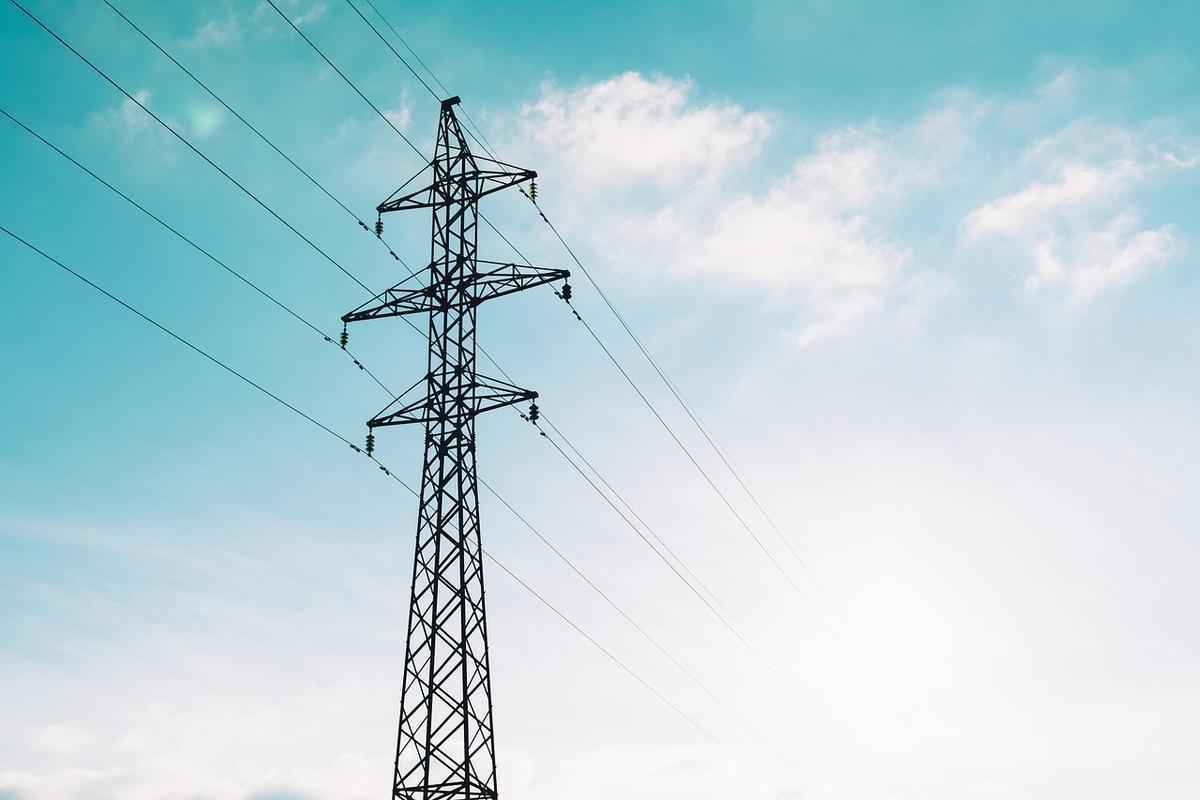
The Senate is reviewing a bill that redefines pole-sharing rules, allowing specialized companies to manage them to combat illegal wiring and organize urban networks.
The Federal Senate has scheduled a vote on Bill 3,220/2019, a proposal that completely overhauls the guidelines for sharing poles between electricity distributors and telecommunications firms.
The text returns to senators for consideration after undergoing significant changes during its passage in the House of Representatives. The process is being reported by Senator Esperidião Amin.
The measure tackles a long-standing source of conflict between the two sectors, aiming to address visual pollution, the risk of loose wiring, and the proliferation of irregular internet connections in cities.
A New Player in the Sector: The “Pole Operator”
The substitute bill approved by the House of Representatives keeps ownership of the infrastructure with the distributors but allows the commercial operation to be transferred to specialized companies, known in the industry as pole operators.
The private operator will be selected through a public tender regulated by Aneel. However, the energy concessionaire will remain the legal owner of the assets before regulatory bodies.
Outsourcing will become mandatory if Aneel identifies unsatisfactory performance by the distributor in monitoring wiring and combating clandestine installations.
To prevent anti-competitive practices, the bill prohibits telecom operators or companies within the same economic group as the distributor from taking over the commercial management of the poles.
Timelines for Regularization and Tariff Limits
Bill 3,220/2019 gives telecommunications providers 180 days to request regularization of cables installed without a contract.
The physical upgrade of the entire network will have an initial five-year deadline, extendable for an equal period after evaluation by Aneel in conjunction with Anatel.
Both regulatory agencies will have up to 30 months to set the maximum fee charged per attachment point on the poles.
“Pricing should take into account the efficient use of infrastructure, proper remuneration for distributors, and an absolute veto on cross‑subsidies between activities.”
The proposal also allows any surplus revenue generated from leasing the points to be redirected to reduce electricity rates for consumers.
The vote on the bill marks a decisive step toward organizing urban airspace and ensuring legal certainty for connectivity investments in the country.