
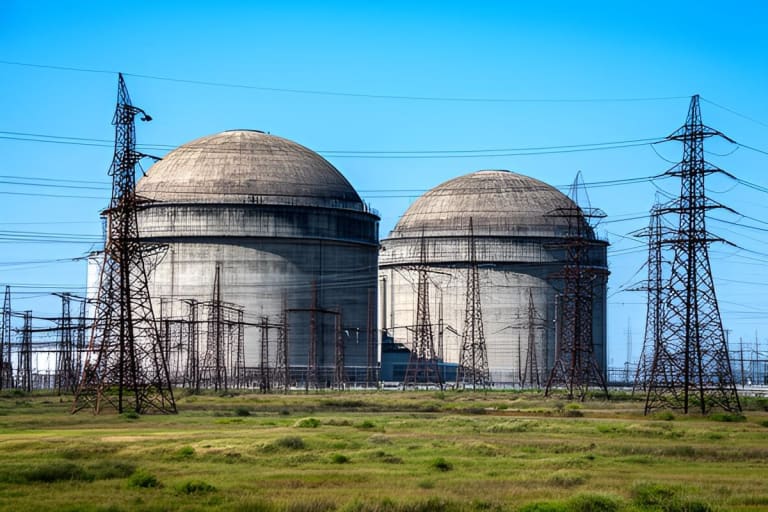
Eletronuclear calls for deep revisions to the remuneration rules for the Angra 1 and 2 power plants, citing insufficient tariffs and severe regulatory bottlenecks for Brazil’s nuclear sector.
The operator of the country’s nuclear plants seeks a drastic overhaul of the tariff model governing electricity generation at the Almirante Álvaro Alberto Nuclear Power Plant in Angra dos Reis, on the coast of Rio de Janeiro state.
During a meeting hosted by Abdan in Rio de Janeiro, the company’s leadership highlighted that the current regulatory framework ignores the unique operational requirements of nuclear technology, undermining the financial sustainability of the assets.
Revenue Structure Challenges
For the tariff year, the set price for electricity from the thermonuclear units results in a combined fixed revenue that the board considers insufficient to cover all operating expenses.
Since the national generation portfolio consists only of these two operating units, the regulatory model lacks appropriate comparative parameters that account for high costs in technical training, rigorous maintenance, and input management.
A major challenge for me now is ensuring that the regulatory framework for Angra 1 and 2 aligns with nuclear activity. The plants’ revenue must be able to compensate for investment and all costs.
Another point of friction involves the marketing of excess energy generated beyond the established physical guarantee. The surplus, often driven by fuel refueling schedules, is frequently sold at disadvantageous prices compared to the short‑term market.
Fund Impacts and Future Outlook
The company also questions the guidelines applied to the decommissioning fund, a financial reserve earmarked for future shutdown costs. Taxation on earnings and application limits create unwanted pressure on corporate cash flow.
Simultaneously, management demanded urgent decisions from the Federal Government regarding the future of Angra 3, whose construction sites have remained idle for nearly a decade, underscoring that administrative inertia represents the most detrimental scenario for the development of Brazil’s national energy sector.